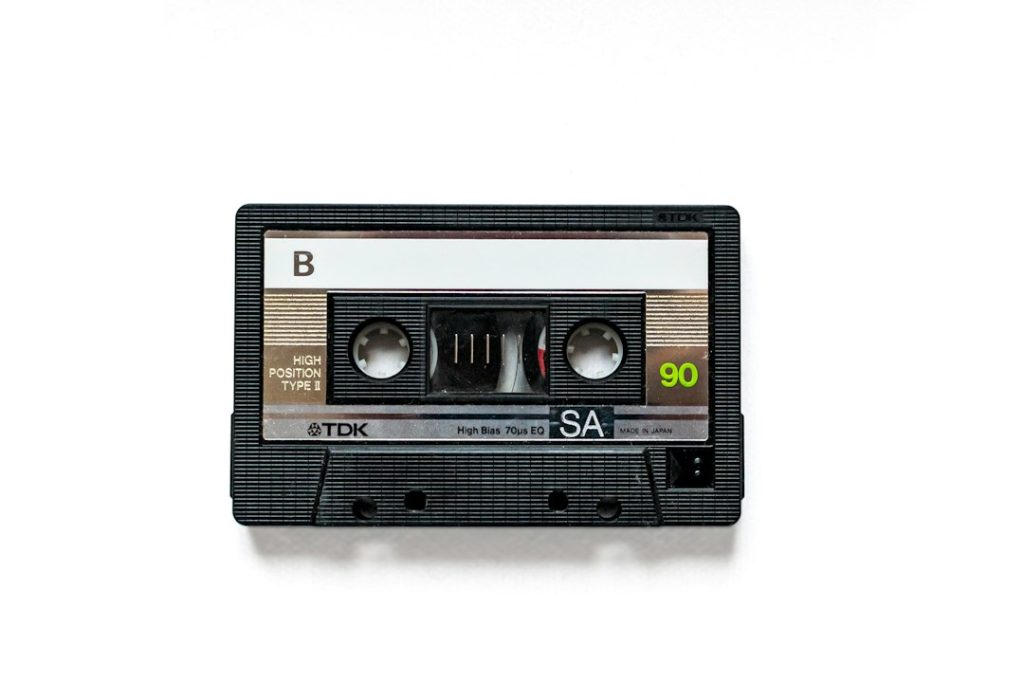
Music can now follow people almost everywhere. A streaming app offers millions of tracks, personalised playlists and instant access across devices. Yet physical music collections have not disappeared. Vinyl records, CDs and even cassette tapes continue to attract listeners who enjoy owning an object connected to the music they love.
The appeal is not simply that older formats sound better. Audio quality depends on many factors, and streaming can provide excellent listening experiences. Physical collections offer something different: a sense of ownership, a deliberate listening ritual and a visible record of personal taste.
Listening becomes an activity rather than a background service
Streaming makes it easy to move from one song to another. That flexibility is useful, but it can encourage music to become background noise while people work, travel or scroll through other content. Choosing a record or CD can create a more intentional moment.
A listener selects an album, takes it from a shelf, reads the sleeve and decides to spend time with the sequence of songs. The process is slower, but that slowness can be part of the enjoyment. It gives an album a beginning, a middle and an end rather than treating every track as an isolated recommendation.
Not everyone wants to listen this way every day. The point is that physical formats offer an alternative when someone wants to give music more attention.
Artwork and packaging add another layer
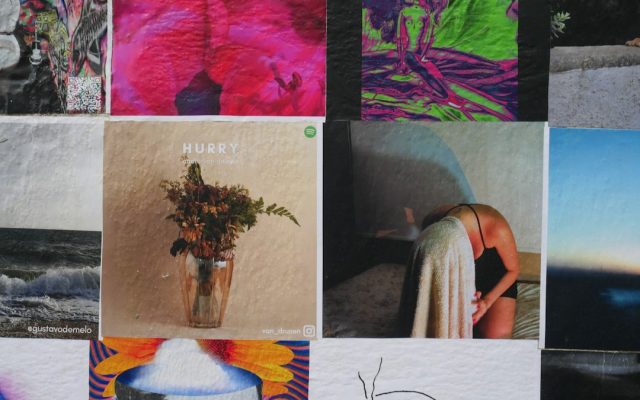
Album artwork has always been part of music culture. Large sleeves, printed lyrics, photographs and liner notes can provide context that is easy to overlook on a small screen. A physical release turns an album into an object that can be displayed, handled and revisited.
For collectors, the design of a release may be as meaningful as the recording itself. Different editions, coloured vinyl and original packaging can connect music to a particular period or memory. The collection becomes a personal archive.
Ownership feels different from access
A streaming subscription provides access under changing service conditions. Tracks can become unavailable because of licensing agreements, regional restrictions or catalogue changes. A physical copy gives the owner a more direct relationship with a specific release, although discs and tapes can of course wear out or become damaged.
Ownership does not mean a collection is automatically permanent. It does mean that listening is less dependent on a platform’s catalogue and interface. For some people, that independence is part of the attraction.
Collecting creates connections between listeners
Record shops, second-hand markets and online collector communities give fans places to exchange recommendations and stories. Finding an album in a used shop can feel different from clicking a suggested track. The search itself becomes part of the experience.
Collectors may share memories of a first concert, discuss different pressings or recommend an artist they discovered through an older release. Physical music can therefore create social connections as well as private enjoyment.
Streaming and collecting can work together
There is no need to treat physical formats and digital access as rivals. Streaming is excellent for exploration. It allows listeners to sample unfamiliar artists, revisit tracks and build playlists without buying every release. A physical copy can then become a deliberate choice for albums that have earned a special place.
This combination can make music discovery more meaningful. A listener might find an artist through a recommendation, explore the catalogue online and eventually buy a favourite album. Digital access opens the door, while collecting gives selected music a lasting place in everyday life.
A personal archive in a disposable feed
Physical music collections remain relevant because they make taste visible and listening tangible. A shelf of records can tell a story about changing interests, friendships and moments in someone’s life. Each object carries a memory that is not easily represented by an algorithmic playlist.
Streaming will remain the most convenient way to access a huge range of music. But convenience is not the only value listeners care about. For those who enjoy the ritual, artwork and sense of ownership, physical formats offer a satisfying way to keep music close.