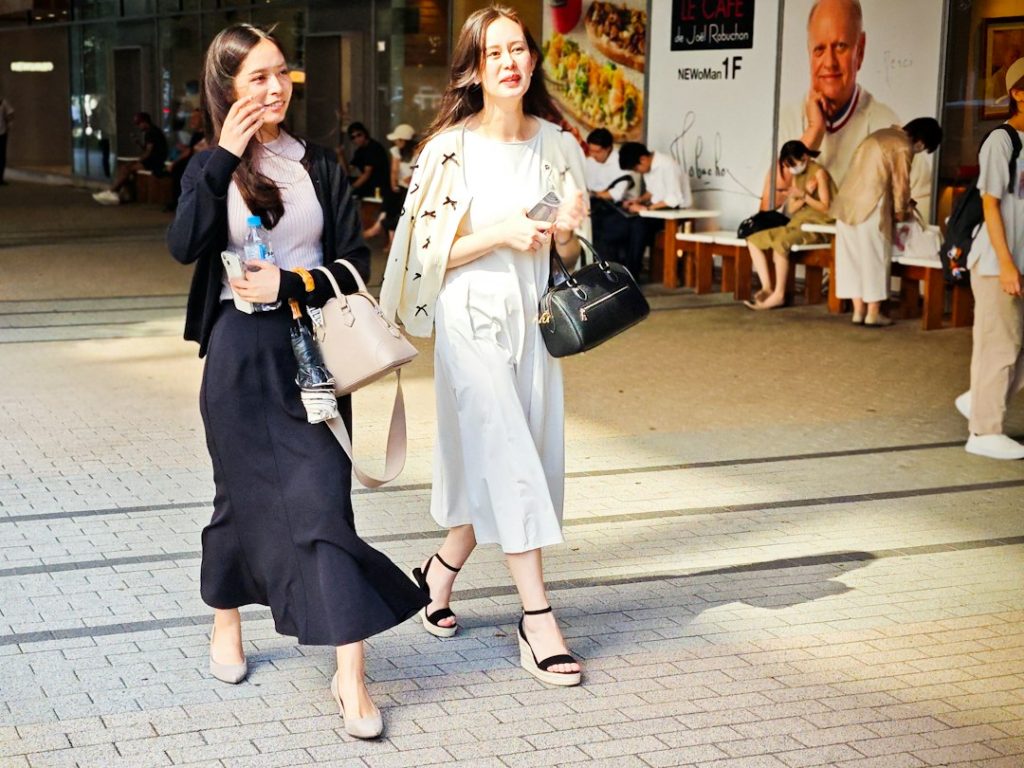
Fashion is often presented through runway collections, celebrity outfits and carefully arranged editorial photographs. But some of the most interesting style choices happen on ordinary streets. People combine practical clothing, personal preferences and influences from music, sport, work and their local communities to create looks that feel individual.
Street style has become a way to observe how fashion works outside formal industry settings. It shows how trends are adopted, adapted or ignored by people who dress for real routines rather than a photoshoot.
Personal style begins with everyday decisions
Most wardrobes are built around practical needs. People need clothes for work, travel, weather and social occasions. Within those limits, they make choices about colour, fit, texture and accessories that communicate something about their taste.
A familiar jacket, a favourite pair of trainers or a carefully chosen bag can become part of someone’s visual identity. These items may not be expensive or new, but they help create a consistent style that feels comfortable and recognisable.
Trends are interpreted rather than simply copied
Fashion trends move quickly through social media, retail displays and popular culture. Yet people rarely adopt every trend exactly as it appears. They select details that suit their lifestyle, combine them with existing clothes or reinterpret a look using items they already own.
This process makes street style more varied than a single seasonal direction. A popular silhouette might appear in different fabrics, colours and price ranges depending on who wears it. The result is a conversation between fashion industry ideas and everyday creativity.
Music and local culture influence what people wear
Clothing has long been connected to music scenes, sports communities and neighbourhood identities. Certain silhouettes or accessories can recall a particular era, genre or subculture. These references are not always deliberate, but they help explain why fashion can carry meaning beyond appearance.
Local climate and daily transport also influence style. A city where people walk frequently may encourage practical footwear, while weather can shape the popularity of layers and outerwear. What looks distinctive in one place may be an ordinary choice somewhere else.
Social media changed how street style is seen
Photographs and short videos allow everyday outfits to reach audiences far beyond the streets where they were first noticed. Creators share styling ideas, thrift finds and ways to combine basic pieces. This can make fashion inspiration more accessible to people who do not follow traditional magazines.
There are trade-offs. A constant stream of polished images can create pressure to buy new items or present a perfect appearance. It is useful to remember that online outfits are often selected and edited, while real wardrobes need to work across many ordinary days.
Building a wardrobe around use and identity
A thoughtful wardrobe does not need to be large. Starting with comfortable pieces that work in different combinations can make getting dressed easier. People can then add items that express their interests, whether through colour, vintage details, local designers or accessories with personal meaning.
Looking after clothes also matters. Repairing a favourite item, buying second-hand or choosing pieces that can be worn in several settings can make a wardrobe more sustainable and less dependent on constant shopping.
Style is not a competition
Street style is most interesting when it reflects different people rather than forcing everyone into the same look. A person’s clothing can be expressive, practical, understated or experimental. There is no single standard that makes an outfit successful.
Confidence often comes from wearing something that suits the person and the occasion. That may mean following a trend, adapting it or choosing something completely different.
The street as an open fashion conversation
Everyday fashion reveals how culture moves between people. A style may begin in a music community, appear in a designer collection and later become part of a practical wardrobe. Along the way, people change it to fit their own lives.
That is why street style remains compelling. It is not just a record of what is fashionable at a particular moment. It is a collection of personal stories told through the clothes people choose to wear.