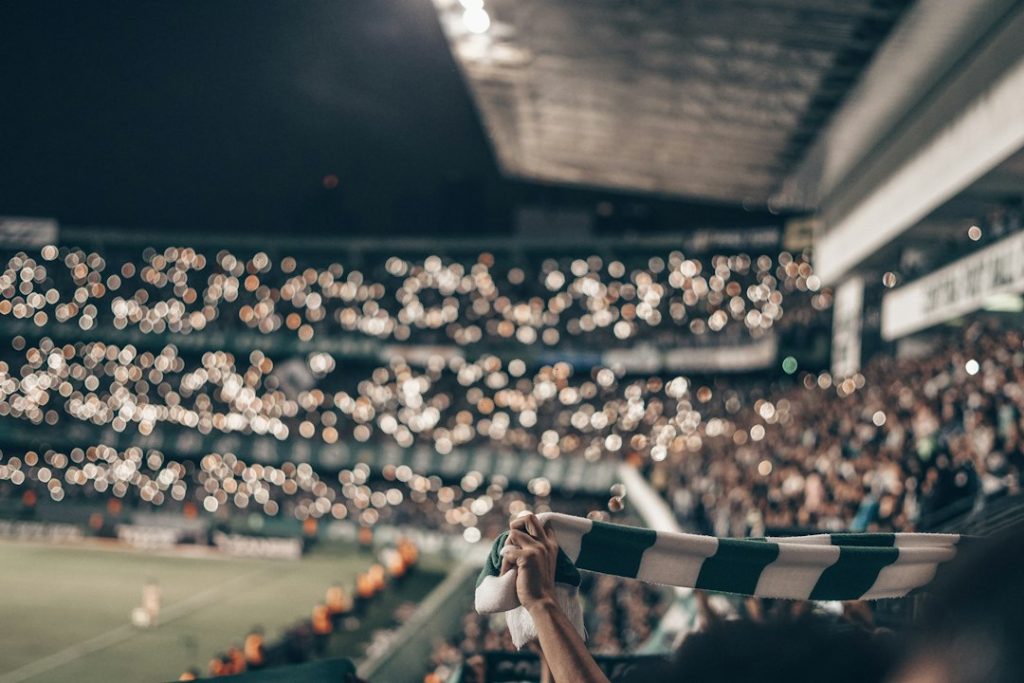
Football is usually discussed through results. A late goal, a managerial decision or a league position can dominate the conversation for days. But for many supporters, the connection to a club is much larger than the score displayed at the end of a match. It is tied to family memories, neighbourhood identity, friendships and routines that have developed over years.
That wider culture helps explain why supporters remain committed through changing squads and difficult seasons. A team can lose a match and still be part of a meaningful day. The emotional investment comes from belonging to something that connects people across generations and places.
Fandom often begins with a personal connection
Some people inherit a club from parents or grandparents. Others choose a team because they live nearby, attend a first match with friends or become attached to a particular player. The starting point can be different, but repeated experiences turn a casual interest into a lasting relationship.
A shirt kept from childhood, a photograph outside a stadium or a story about a memorable match can become part of someone’s personal history. These objects and memories give football an emotional meaning that statistics alone cannot capture.
Matchday rituals create a sense of belonging
Supporters often develop familiar routines around fixtures. They may meet at the same café, travel along a regular route, wear a particular scarf or listen to a song before kick-off. The rituals are not necessary for the match to happen, but they make the occasion feel recognisable.
When thousands of people repeat similar actions, individual habits become part of a shared culture. Chants, colours and traditions help supporters recognise one another and feel connected to a wider group, even if they have never met.
The local community around a club matters
Football clubs are often closely linked to the places where they began. Stadiums, nearby streets, local businesses and supporter organisations can become part of a town or neighbourhood’s identity. On matchdays, the area may take on a different rhythm as people arrive, meet and make their way to the ground.
That relationship can work in both directions. Clubs can bring attention and activity to a local area, while residents and independent businesses help preserve the traditions that make a club feel rooted in its community.
Supporters create culture beyond the stadium
Modern fandom continues long after people leave the ground. Supporter podcasts, online forums, fan art, local meet-ups and social media discussions give people ways to participate even when they cannot attend matches. These spaces allow fans to share analysis, humour and memories across distance.
Digital communities can be especially important for supporters who have moved away from their hometown or follow a club from another country. They may not be able to join the same pre-match routine, but they can still take part in conversations and celebrations.
Online spaces also need moderation and perspective. Strong emotions can turn disagreements into personal arguments, particularly after a disappointing result. A healthy supporter culture can welcome debate without treating every difference of opinion as a reason for hostility.
Rivalry is part of football, but respect matters
Rivalries give fixtures extra meaning and can create memorable sporting occasions. They are strongest when they remain focused on competition, humour and history rather than intimidation. Supporters can be passionate about their own club while recognising the right of others to enjoy the game safely.
Stadium accessibility, clear travel information and respectful behaviour all help make football welcoming to more people. Families, older supporters, disabled fans and first-time visitors should be able to feel part of the occasion.
Why loyalty survives changing results
Players transfer, managers leave and club strategies evolve. Supporters may disagree with decisions, but the emotional connection often remains because it is attached to more than the current team. It is connected to people, memories and a sense of continuity.
This does not mean fans should accept poor leadership or stop asking questions. Loyalty can coexist with criticism. In fact, thoughtful debate is one way supporters show that they care about the future of a club.
A shared identity that keeps evolving
Football supporter culture is not frozen in the past. New generations bring different habits, digital communities create fresh traditions and clubs reach audiences far beyond their original locations. Yet the central appeal remains familiar: people want to share an experience and feel that they belong.
The final score will always matter. But the friendships, rituals and local connections around the game explain why football can remain important even when the result is forgotten.