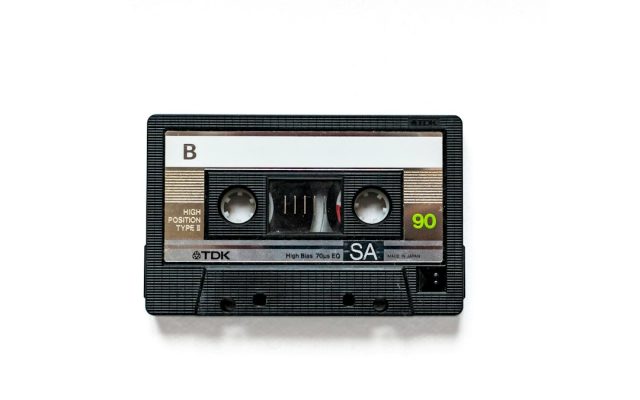
A familiar melody appears in a new song. A jacket once associated with an earlier decade returns to shop windows. A film franchise brings back a world that audiences thought they had left behind. Across music, fashion and cinema, nostalgia keeps finding new ways to become part of the present.
It is tempting to describe every revival as a shortage of original ideas. But nostalgia is more complicated than simple repetition. It can be a way for audiences to reconnect with personal memories, for younger people to explore periods they never experienced and for creators to reinterpret familiar material through a contemporary lens.
Familiar references create an emotional shortcut
Pop culture is often consumed quickly. A recognisable sound, silhouette or visual reference can communicate a mood before an audience knows anything else about a new release. That familiarity can make a project feel approachable, especially in a crowded entertainment landscape.
For people who lived through the original era, the reference may bring back memories of a particular place, friendship or stage of life. The response is not necessarily about believing the past was better. It may simply be the pleasure of recognising something that once mattered.
For younger audiences, the same reference can feel new. A decade they know through photographs, older films or family stories becomes an aesthetic they can explore for themselves.
Music turns memory into a new sound
Musicians have long borrowed from earlier styles, whether through samples, instrumentation, production techniques or lyrical references. A familiar rhythm can provide a starting point, but the final result depends on what the artist changes.
When an older sound is placed in a different setting, it can take on a new meaning. A polished retro-inspired track may appeal to listeners who enjoy the original era while also fitting contemporary playlists. The past becomes material for experimentation rather than a template that must be copied exactly.
Streaming and social platforms also make it easier for older songs to find new audiences. A track can return through a film scene, a short video or a fan-made edit, sometimes reaching listeners who were not born when it first appeared.
Fashion revivals are rarely exact copies
Clothing trends often move in cycles, but a returning style is usually adjusted to suit the present. Silhouettes may be softened, fabrics updated or older pieces combined with modern basics. The result can carry the spirit of a decade without reproducing every detail.
There is also a practical appeal to revisiting styles that people already recognise. Vintage shopping, second-hand clothing and reworked garments can give familiar designs a more individual feel. For some shoppers, the attraction is not only appearance but the idea of finding something with a story.
Film and television make nostalgia visible
Screen entertainment has a particularly direct relationship with memory. Returning characters, familiar locations and recognisable soundtracks can create an immediate emotional connection. Sequels and reboots offer audiences a chance to revisit a fictional world while discovering what has changed.
However, nostalgia alone cannot sustain a successful story. Viewers still expect strong characters, a meaningful conflict and a reason for the new chapter to exist. A revival that only repeats the original may feel empty, while one that understands why the earlier work mattered can offer a more satisfying continuation.
Why the past feels especially useful now
When culture moves quickly, familiar references can provide a sense of continuity. They offer shared points of conversation across generations and communities. A parent and teenager may approach the same song from completely different memories, yet enjoy discussing it together.
Nostalgia can also be a creative response to uncertainty. Familiar aesthetics offer a stable starting point when tastes and platforms are changing. That does not mean audiences want to live in the past; it means familiar material can make the present easier to navigate.
When a revival works—and when it does not
The strongest revivals tend to do more than reproduce a look or sound. They understand the emotional quality that made the original memorable and then add a perspective of their own. The weakest often rely on recognition alone, assuming that a familiar name or reference is enough.
Audiences can enjoy nostalgia while remaining open to new work. A revived style does not need to replace discovery, and a new release does not need to reject everything that came before it.
A conversation between generations
Nostalgia keeps returning because culture is not a straight line. Ideas are borrowed, reinterpreted and passed between people who attach different meanings to them. Music, fashion and film make that process visible, turning memories into something that can be experienced again.
The most interesting cultural revivals do not ask audiences to go backwards. They use the past to say something about the present—and give familiar ideas a reason to feel new.