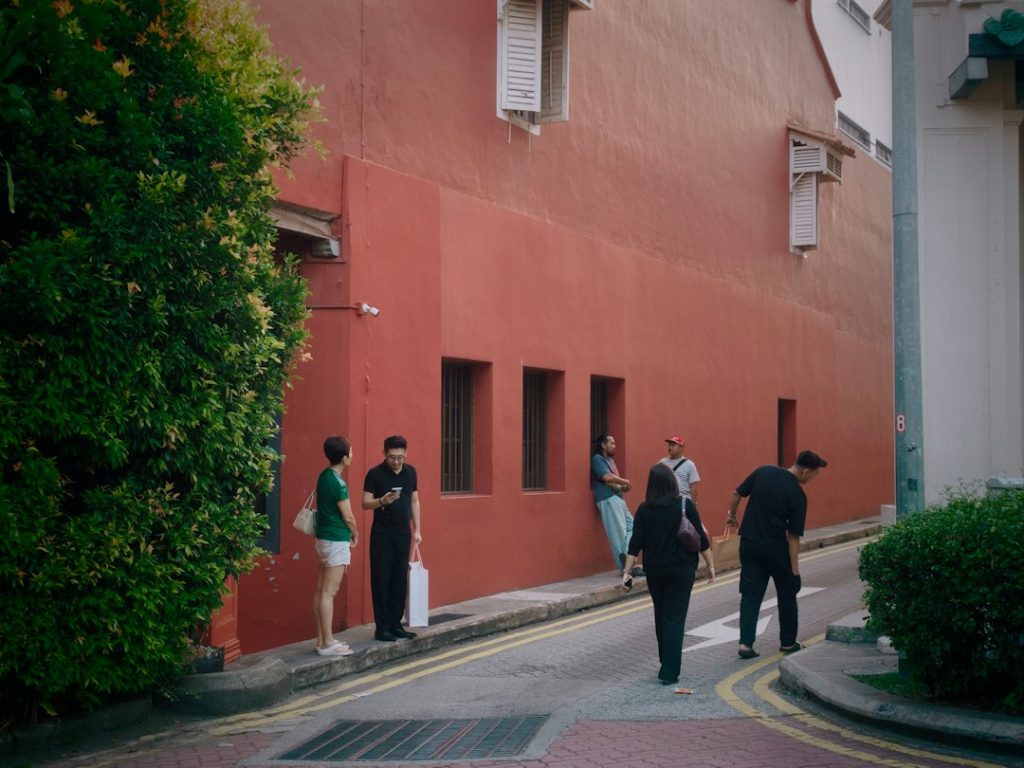
A city can look very different when explored on foot. From a car or train, people tend to notice major landmarks and the quickest route between destinations. Walking creates space for smaller discoveries: a bakery tucked into a side street, a public garden behind a busy road or a building whose details are easy to miss at speed.
For a weekend visitor, this slower approach can make a short trip feel richer. Instead of treating a city as a checklist of famous attractions, a person can experience how its neighbourhoods connect and what everyday life looks like beyond the main tourist areas.
Walking reveals the character between landmarks
Popular attractions are useful starting points, but they rarely tell the whole story of a place. The streets between them contain local shops, residential architecture, small parks, markets and public spaces where people gather. These details help visitors understand the city as a living environment rather than a collection of photographs.
A short detour can become the most memorable part of a day. Someone might discover a second-hand bookshop, hear live music from an open doorway or find a quiet square that offers a break from a crowded shopping district.
Leave room for unplanned discoveries
Planning is helpful when time is limited, but an itinerary that fills every hour can make a trip feel like work. Choosing one or two destinations and allowing time to wander creates a better balance between structure and curiosity.
Visitors can use a map to understand the general area without following every turn precisely. If a street looks interesting and the route is safe, taking a different direction may reveal something unexpected. The goal is not to get lost without preparation; it is to remain open to places that were not part of the original plan.
Local businesses make a neighbourhood feel personal
Independent cafés, food shops, galleries and markets often reflect the character of the area around them. Stopping for a drink or browsing a local store can provide a more personal experience than moving from one major attraction to another.
These visits can also support businesses that contribute to the identity of a neighbourhood. A conversation with a shop owner or a recommendation from a café worker may lead to a place that is not prominent in standard travel guides.
A walking route can be shaped around interests
There is no single correct way to explore. Architecture enthusiasts might focus on historic streets and contemporary buildings. Food lovers may plan a route around markets and bakeries. Visitors interested in art can look for galleries, public murals and cultural venues.
Families may prefer parks and pedestrian-friendly areas, while photographers might enjoy early morning light or busy market streets. Matching the route to personal interests makes the walk feel more rewarding than trying to see everything.
Comfort and safety make the day easier
Practical preparation matters. Comfortable shoes, weather-appropriate clothing, a charged phone and access to water can make a long walk more enjoyable. It is sensible to check local transport options in case the weather changes or someone becomes tired.
Visitors should also pay attention to pedestrian crossings, local traffic rules and areas where walking may be difficult. Respecting residents, keeping noise reasonable and following local guidance helps ensure that tourism remains considerate.
Walking can make a short break feel longer
When people move slowly through a place, they often remember more of its details. A street corner, a distinctive doorway or the smell of food from a market can become part of the story of a trip. These moments may not appear on a list of must-see attractions, but they help make a destination feel real.
Walking also creates natural pauses. A visitor can stop for a coffee, sit in a park or spend extra time in a shop without having to reorganise an entire transport plan. Those pauses can make a weekend feel less rushed.
Discover the city rather than simply cover it
A successful city break is not measured by the number of places visited. It is measured by how much a visitor enjoys the time and what they take away from it. Exploring on foot encourages curiosity, supports local discovery and makes room for experiences that cannot always be scheduled.
The next time a weekend trip feels too packed, consider choosing a neighbourhood and walking through it without a strict timetable. The best memory may be waiting on a street that was never on the original itinerary.