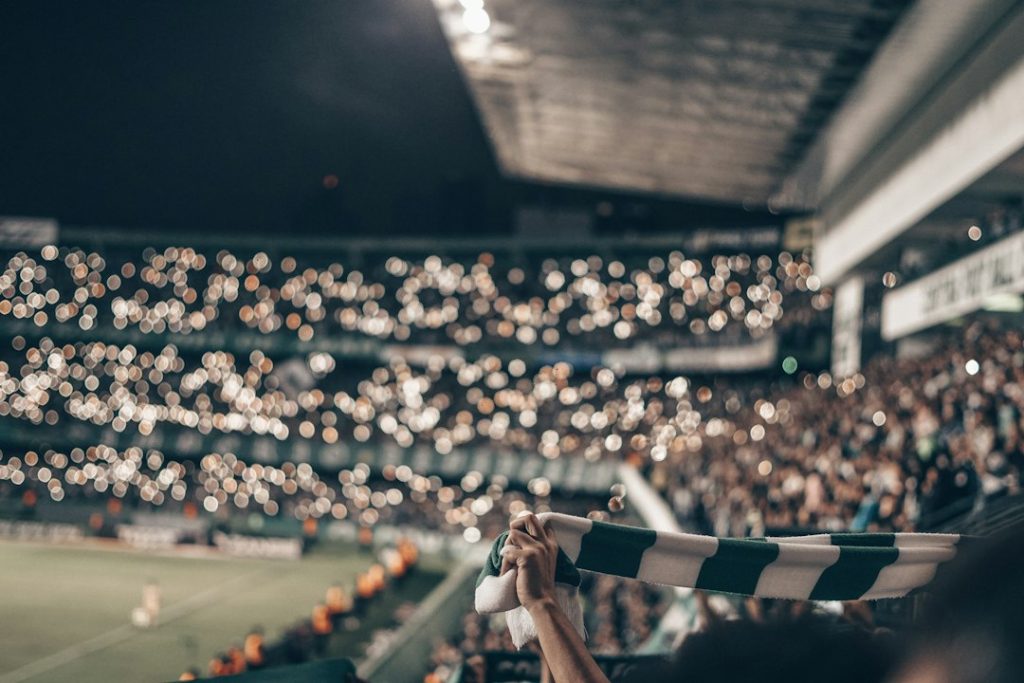
For a football supporter, matchday rarely begins when the referee blows the whistle. It may start with checking the team news over breakfast, planning a journey, meeting friends at a familiar café or choosing a shirt that carries a personal memory. By the time the players walk onto the pitch, the day may already have its own story.
This wider matchday experience helps explain why football remains such a powerful social activity. The result matters, but so do the rituals and relationships that surround it. For many fans, attending or following a match is an event that connects people to a place, a community and a shared identity.
The journey is part of the occasion
Travelling to a stadium can be a central part of the experience. Supporters meet on trains, walk familiar routes and recognise other fans wearing the same colours. Even delays and changes to travel plans can become part of the stories people tell later.
For regular attendees, these routines create a sense of belonging. The route to the ground becomes familiar, and certain meeting places acquire meaning through repetition. For away supporters, travelling to another city can add a sense of adventure and discovery.
Not everyone can attend in person, of course. Fans watching from home or gathering in a local venue can create their own rituals, showing that matchday culture is not limited to the stadium.
Shared rituals make football personal
Scarves, shirts, songs and pre-match conversations are more than decoration. They help supporters express an attachment that may have lasted for years or been passed down through family and friends.
Some people remember their first match with a parent. Others associate a club with the neighbourhood where they grew up or the friendships they formed as adults. These connections can survive changes in players, managers and league positions because they are rooted in personal experience.
Rituals also give fans a way to participate even when they cannot influence the action on the pitch. Singing, discussing line-ups and following familiar routines make supporters feel involved in a collective occasion.
Food, local businesses and the atmosphere around the ground
The area around a stadium often contributes to its identity. Pubs, cafés, food stalls and independent shops can become meeting points for supporters. On busy matchdays, the local atmosphere extends beyond the turnstiles and brings activity to nearby streets.
For visitors, these places can offer a glimpse of a club’s wider community. A local dish, a traditional meeting spot or a conversation with a long-time supporter can make a football trip memorable even before the match begins.
That relationship also works in the other direction. Matchday visitors can support local businesses, while the businesses help preserve the social character that makes a ground feel distinctive.
Digital conversation stretches the day
Phones and social platforms have added another layer to matchday. Fans share travel updates, photographs, team selections, reactions and post-match opinions. Supporters who are thousands of miles apart can follow the same moments and join a conversation almost immediately.
This can make the experience more inclusive, particularly for people who cannot travel. It also means that the discussion continues long after the final whistle, with analysis, highlights and debates appearing throughout the evening.
At the same time, digital conversation can become overwhelming. A disappointing result may bring intense reactions, and the speed of online discussion can leave little room for perspective. Fans may find it useful to step away when the noise becomes less enjoyable than the game itself.
Why the result is not the whole story
Football is competitive, and supporters naturally care about winning. But if the score were the only thing that mattered, every defeat would erase the value of the day. In reality, many fans remember the atmosphere, the people they met and the small moments that happened around the match.
A dramatic goal can become a lifelong memory, but so can a journey with friends or a family member explaining the traditions of a club. These experiences help explain why people remain attached through difficult seasons.
Making matchday welcoming for more people
As football attracts different generations and communities, clubs and venues have an opportunity to make matchday more accessible. Clear travel information, safe routes, family-friendly facilities and thoughtful support for disabled fans can improve the experience well beyond the pitch.
Supporters can also help by respecting local residents, other fans and the shared spaces around stadiums. A strong matchday culture should create belonging without making newcomers feel they do not belong.
A day built around belonging
Football’s appeal is often described through goals, trophies and famous players. Yet the matchday experience shows another side of the game: a network of habits, friendships, places and memories that gives each fixture meaning.
For many supporters, the 90 minutes are the centrepiece, not the entire event. The journey there, the conversations before kick-off and the stories shared afterwards turn a match into a full-day experience—and help keep football woven into everyday life.