
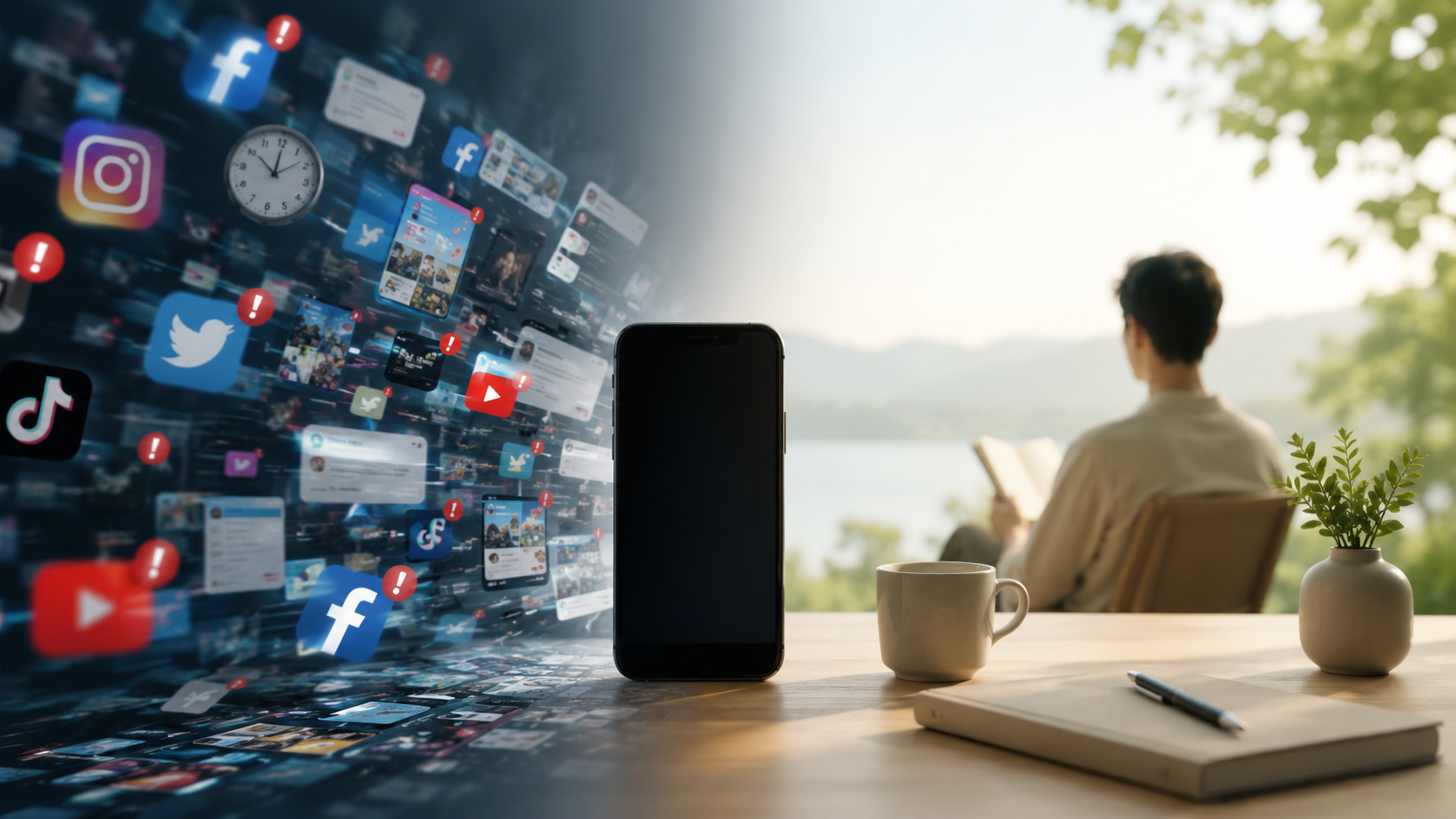
For years, being constantly connected was presented as a sign of progress. Smartphones made communication instant, social media made it easier to stay in touch, and an endless stream of apps promised to make everyday life more convenient.
But something is changing.
More people are beginning to question whether having constant access to information, entertainment, notifications, and online conversations actually makes life better. Instead of looking for the newest app or another way to stay connected, some are choosing to simplify their digital lives.
This shift is helping make digital minimalism increasingly attractive.
What Is Digital Minimalism?
Digital minimalism is the idea of being more intentional about technology rather than simply using as much of it as possible.
It does not necessarily mean deleting every social media account, abandoning smartphones, or refusing to use modern technology. Instead, it means asking a simple question: Does this technology meaningfully improve my life?
A digital minimalist might keep a smartphone but remove unnecessary apps. They might use social media but avoid checking it throughout the day. They might rely on messaging apps for important conversations while turning off notifications that constantly interrupt their attention.
The goal is not to reject technology. It is to make technology serve a person’s priorities rather than allowing digital products to determine how their time is spent.
The Growing Problem of Digital Overload
One reason digital minimalism is becoming more appealing is that digital life has become increasingly difficult to escape.
A typical smartphone can deliver messages, news, entertainment, advertisements, work updates, social interactions, shopping recommendations, and countless other distractions.
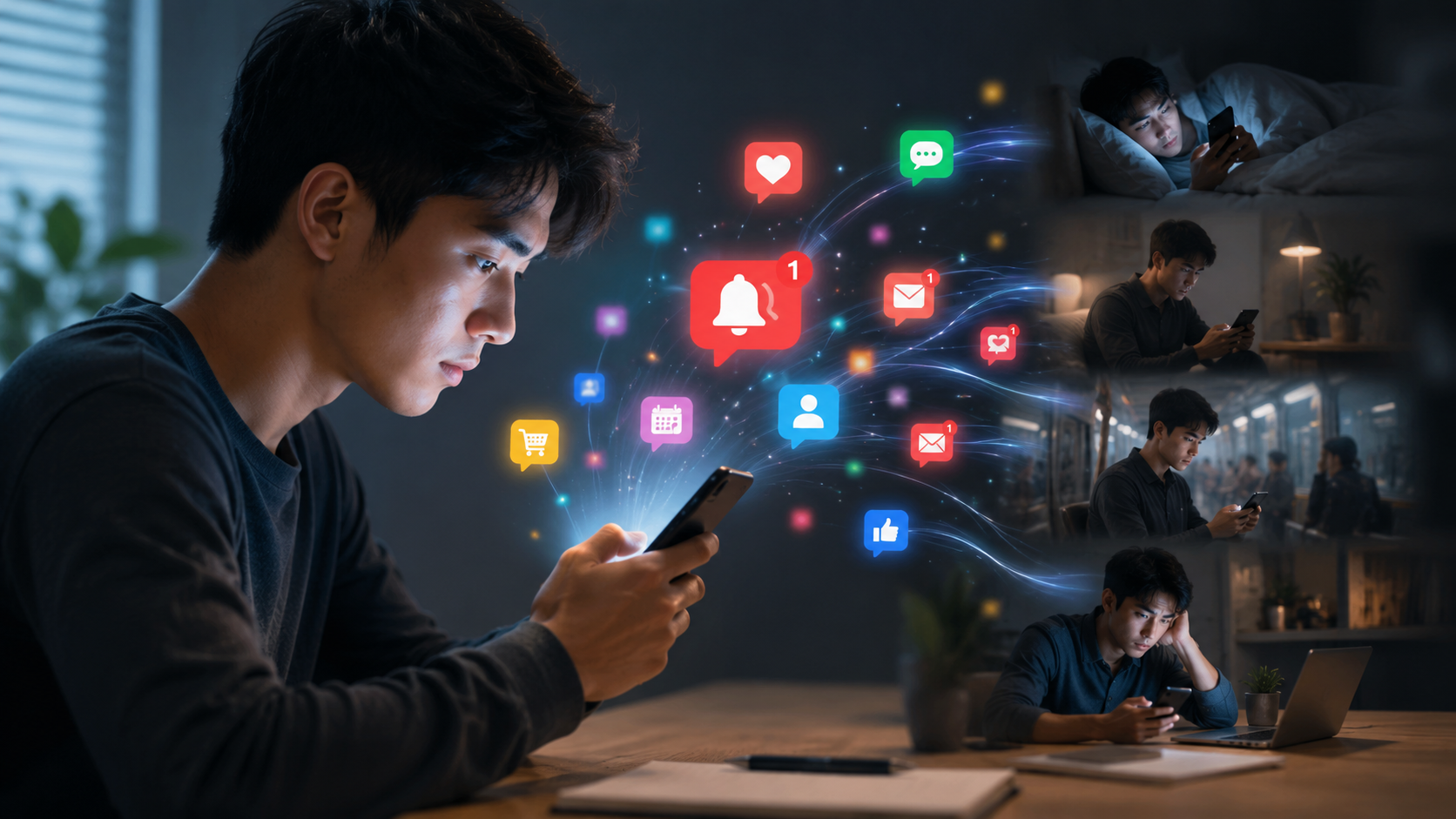
Each individual notification may seem insignificant. Together, however, they can create a constant sense of interruption.
People may pick up their phones to check one message and end up scrolling through social media for 20 minutes. A quick search can turn into a long browsing session. A short break can become an hour of watching videos.
The problem is not always the amount of technology itself. It is the fact that many digital services compete aggressively for attention.
As awareness of this problem grows, simplicity starts to look more appealing.
Attention Is Becoming More Valuable
Attention is one of the most limited resources people have.
There are only so many hours in a day, and constantly switching between apps, conversations, videos, emails, and notifications can make it harder to concentrate on meaningful activities.
Digital minimalism offers a different approach.
Instead of asking, “What can I do online?” people begin asking, “What deserves my attention?”
That change can have a surprisingly large effect.
A person who checks social media only at specific times may find it easier to focus on work. Someone who keeps their phone away during meals may have better conversations. Someone who disables unnecessary notifications may feel less pressure to respond immediately.
Small changes can create more uninterrupted periods of attention.
Why Smartphones Can Feel Exhausting
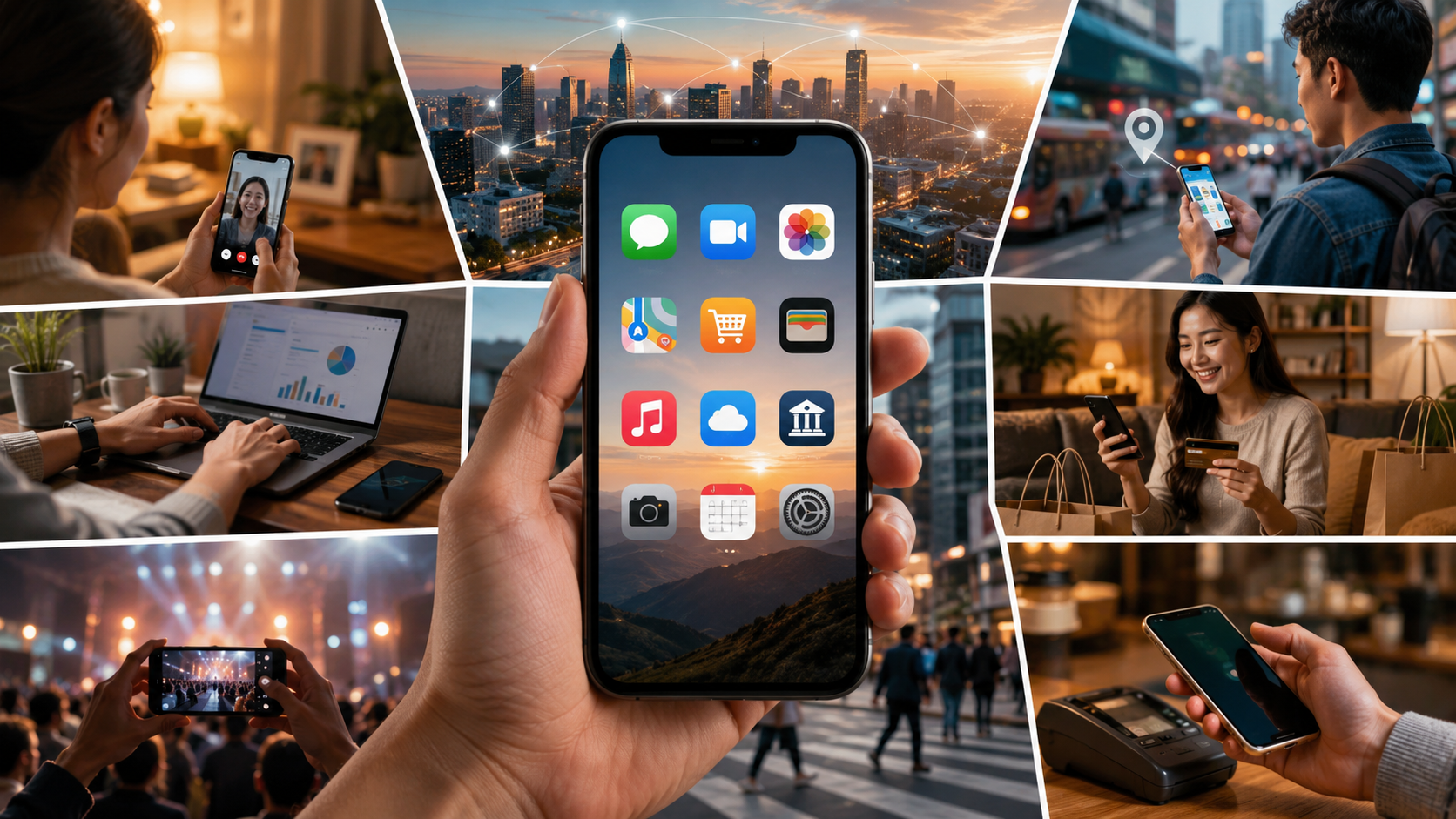
Smartphones have become incredibly capable. They can replace cameras, maps, calendars, music players, newspapers, payment cards, gaming devices, and many other tools.
Yet their convenience can also make them difficult to put down.
Because so many functions are available from a single device, there is always a reason to check it.
Waiting in line? Check the phone.
Feeling bored? Open an app.
Have a few minutes before a meeting? Scroll through a feed.
Wake up in the morning? Look at notifications.
Before going to sleep? Check one more thing.
Digital minimalism challenges this pattern by creating boundaries around smartphone use.
The phone remains useful, but it no longer has to fill every empty moment.
The Appeal of Doing Less
There is something refreshing about removing unnecessary digital choices.
Fewer notifications can mean fewer interruptions. Fewer apps can mean fewer temptations. Fewer social platforms can mean less pressure to keep up with everyone else.
This is similar to minimalism in other areas of life. A simpler environment can make it easier to focus on what actually matters.
Digital minimalism applies the same principle to the online world.
Instead of accumulating digital tools, users can carefully select the ones that provide genuine value.
The result is not necessarily a completely technology-free lifestyle. It is a more deliberate one.
Digital Minimalism Does Not Mean Going Offline
One common misunderstanding is that digital minimalism requires giving up the internet.
In reality, many digital minimalists still use technology extensively.
They may work online, stream movies, use navigation apps, communicate through messaging platforms, shop online, or participate in digital communities.
The difference is that these activities are chosen intentionally.
For example, someone may decide that social media is useful for maintaining relationships but does not need to be available every few minutes. Another person may discover that reading long-form articles is valuable while endless short-form videos are not.
Digital minimalism is therefore less about how much technology someone uses and more about why they use it.
The Rise of Intentional Screen Time
Screen-time statistics have made people more aware of how much time they spend on their devices.
Seeing several hours of daily smartphone use can be a wake-up call, particularly when much of that time comes from activities that users do not remember choosing.
This has encouraged a broader interest in intentional screen time.
Instead of automatically opening an app whenever there is a moment of boredom, people are experimenting with alternatives: reading, walking, exercising, cooking, talking with friends, pursuing hobbies, or simply doing nothing.
Boredom, once considered something to eliminate, can become valuable again.
It creates space for thought.
The Desire for Deeper Experiences
Another reason digital minimalism is attractive is the growing desire for experiences that feel more substantial.
Online platforms are designed to provide quick stimulation. A person can consume hundreds of pieces of content in a short period.
But constant consumption does not necessarily create satisfaction.
Reading a book, having a long conversation, learning an instrument, working on a creative project, or spending time outdoors often requires more patience. These activities may not provide immediate stimulation, but they can produce a deeper sense of fulfillment.
Digital minimalism makes room for these experiences by reducing the amount of attention consumed by low-value digital activities.
A Different Relationship With Social Media
Social media is one of the biggest areas where digital minimalism can make a difference.
The goal does not have to be quitting completely.
Instead, people can become more selective about which platforms they use, who they follow, and when they check their feeds.
Unfollowing accounts that consistently create stress or distraction can make a social feed more useful. Turning off notifications can reduce the feeling that something important is always happening.
Some people may also choose to access social media through a computer rather than keeping the apps on their phones.
The principle is simple: make low-value digital behavior slightly harder and high-value behavior easier.
Digital Minimalism and Modern Work
The idea is also becoming relevant in professional life.
Remote work and digital collaboration have made it possible to communicate quickly from almost anywhere. But constant accessibility can blur the boundary between work and personal time.
Emails, workplace chats, project notifications, and video meetings can follow people throughout the day.
Digital minimalism can encourage clearer boundaries.
That might mean checking email at specific times, muting workplace notifications outside working hours, or creating periods of uninterrupted work.
These habits can make technology more useful without allowing it to dominate the entire day.
How to Start Without Making Extreme Changes
Digital minimalism does not have to begin with deleting everything.
A more sustainable approach is to start small.
Try turning off notifications that are not genuinely important. Remove apps that you rarely use. Move distracting apps away from the home screen. Establish phone-free periods during meals or before bedtime.
Another useful experiment is to ask yourself three questions whenever you consider keeping an app or service:
Does it provide real value?
Would I miss it if it disappeared?
Does the value justify the attention it requires?
The answers can reveal which parts of a digital lifestyle are genuinely useful and which have simply become habits.
The Future May Be Less About More Technology
Technology will continue to evolve. Devices will become smarter, artificial intelligence will become more integrated into everyday services, and digital experiences will become increasingly personalized.
Ironically, that progress may make digital minimalism even more important.
As technology becomes better at capturing attention and predicting what users want, people may need stronger boundaries to maintain control over their time.
The future of technology may therefore involve two parallel trends: more powerful digital tools and more intentional digital habits.
People will not necessarily want less technology. They may simply want technology that gets out of the way when it is no longer useful.
Why Digital Minimalism Feels Right for the Moment
Digital minimalism is becoming attractive because it responds to a problem many people can recognize: being connected all the time does not necessarily mean living better.
Modern technology offers extraordinary convenience, but convenience can become distraction when every empty moment is filled with digital stimulation.
Choosing a simpler digital life can create room for concentration, relationships, creativity, rest, and experiences that do not require a screen.
The most important idea behind digital minimalism is not that technology is bad.
It is that attention is valuable.
And in a world where countless digital services are competing for it, deciding what deserves your attention may become one of the most important choices you make each day.










Leave a Reply