
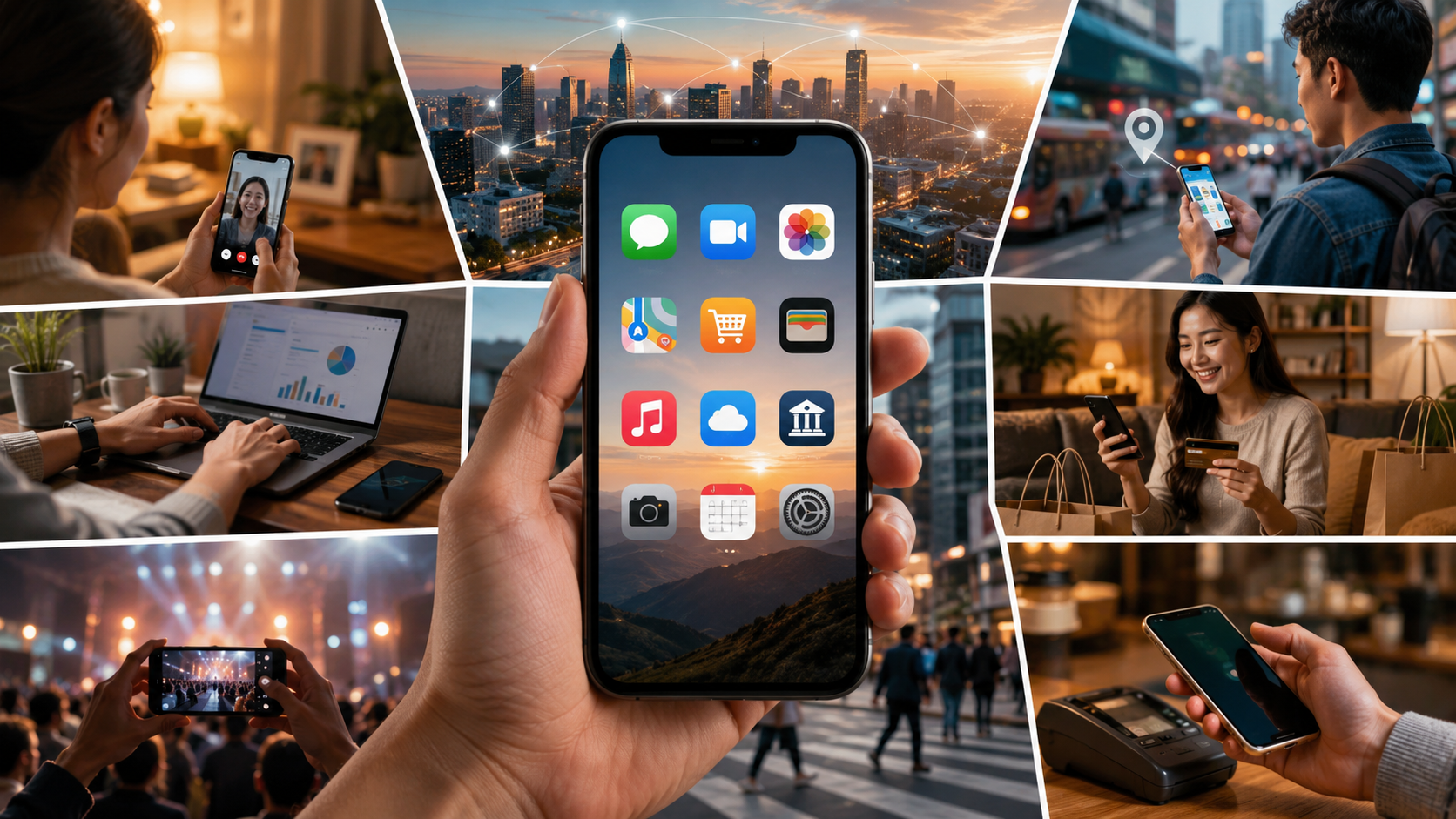
For many people, the smartphone has become the first object they reach for in the morning and one of the last things they look at before going to sleep. What once served mainly as a device for calls and messages has evolved into a tool for navigation, entertainment, shopping, work, photography, banking, learning, and social connection.
The result is more than a technological shift. Smartphones have changed the rhythm of everyday life and, in many cases, the way people experience ordinary moments.
A short wait at a bus stop can become an opportunity to scroll through social media. A question that once required a conversation or a trip to the library can be answered within seconds. A new restaurant can be discovered through a video, booked through an app, and reviewed immediately after a meal.
The smartphone has gradually turned everyday experiences into connected digital experiences.
Everyday Moments Have Become More Connected
One of the biggest changes brought by smartphones is the constant availability of information.
People no longer have to wait until they get home to check the weather, look up directions, read the news, or find an answer to a question. Internet access is now carried in a pocket, making information available almost anywhere.
This convenience has changed expectations.
When people encounter an unfamiliar place, product, word, or situation, the instinct to search for information can happen almost automatically. Instead of simply wondering about something, many people immediately reach for their phones.
That behavior has made curiosity faster and more interactive. It has also created a culture in which waiting for information can feel increasingly unusual.
The Way We Navigate the World Has Changed
Getting lost used to be a normal part of traveling somewhere unfamiliar. Today, digital maps can provide turn-by-turn directions, traffic updates, nearby businesses, and estimated arrival times.
Navigation apps have made cities and unfamiliar destinations feel more accessible. People can explore places they have never visited with greater confidence because their phones can guide them along the way.
But navigation is not the only change.
Smartphones also influence where people decide to go. Restaurants, cafes, attractions, stores, and other destinations are often discovered through online maps, short videos, recommendations, and user reviews.
In this sense, smartphones do not simply help people navigate the world. They increasingly help determine which parts of the world people notice.
Memories Are Now Constantly Documented
Smartphone cameras have changed the relationship between people and everyday memories.
Taking a photograph no longer requires planning. The camera is already in a person’s pocket, ready to capture a meal, a sunset, a family gathering, a pet, or an unexpected moment.
This has made photography part of ordinary life.
People can record thousands of moments without thinking about the cost of film or the limited number of photographs they can take. Digital storage also makes it possible to keep years of memories in a single device.
At the same time, constant documentation can change how moments are experienced.
Sometimes people are not only experiencing an event but also thinking about how it will look in a photograph or video. A concert, vacation, birthday, or meal can become both a personal experience and something intended to be shared with others.
Waiting Has Become Different
Smartphones have also transformed one of the simplest parts of everyday life: waiting.
Waiting in line, sitting in a waiting room, riding public transportation, or standing at a traffic light can now be filled with digital content.
Instead of having nothing to do, people can watch videos, read articles, listen to music, respond to messages, play games, or browse social platforms.
This has made idle time more entertaining, but it has also reduced the amount of time many people spend doing nothing.
Those small periods of boredom can sometimes provide space for observation, reflection, or spontaneous thoughts. Smartphones have made it easier to eliminate that silence almost instantly.
Social Connections Have Become More Immediate
Communication has perhaps experienced the most obvious transformation.
Text messages, group chats, video calls, voice messages, and social media allow people to stay connected even when they are physically far apart.
A family member living in another country can participate in a conversation. Friends can share updates throughout the day. Colleagues can coordinate work without being in the same office.
The distance between people has become less important for many forms of communication.
However, constant connectivity can also create a new expectation: availability.
Messages can arrive at any time, and people may feel pressure to respond quickly. As smartphones have made communication easier, they have also blurred the boundaries between personal time, social life, and work.
Shopping Has Moved Into Everyday Life
Smartphones have transformed shopping from an activity that happens primarily in stores or on desktop computers into something that can happen almost anywhere.
People can compare prices while standing inside a store, read reviews before buying a product, watch demonstrations on social media, or complete a purchase within minutes.
Discovery has also become part of shopping.
Instead of deliberately searching for something to buy, consumers can encounter products while watching videos or browsing social platforms. A casual scroll can suddenly become a shopping experience.
This has changed the relationship between entertainment and commerce. The two increasingly exist side by side on the same screen.
Smartphones Have Changed How People Consume News
The daily newspaper, television bulletin, and desktop computer are no longer the only major ways people encounter news.
Smartphones allow people to receive information throughout the day. News alerts can appear seconds after an event occurs, while social platforms can expose users to stories through videos, posts, and discussions.
This has made news more immediate and portable.
But the abundance of information also creates a challenge. People may encounter headlines without reading full stories, while algorithms can influence which subjects receive attention.
As a result, smartphones have not simply made news faster. They have changed the environment in which people discover and interpret information.
Work and Personal Life Are Increasingly Blended
For many workers, a smartphone is now an extension of the workplace.
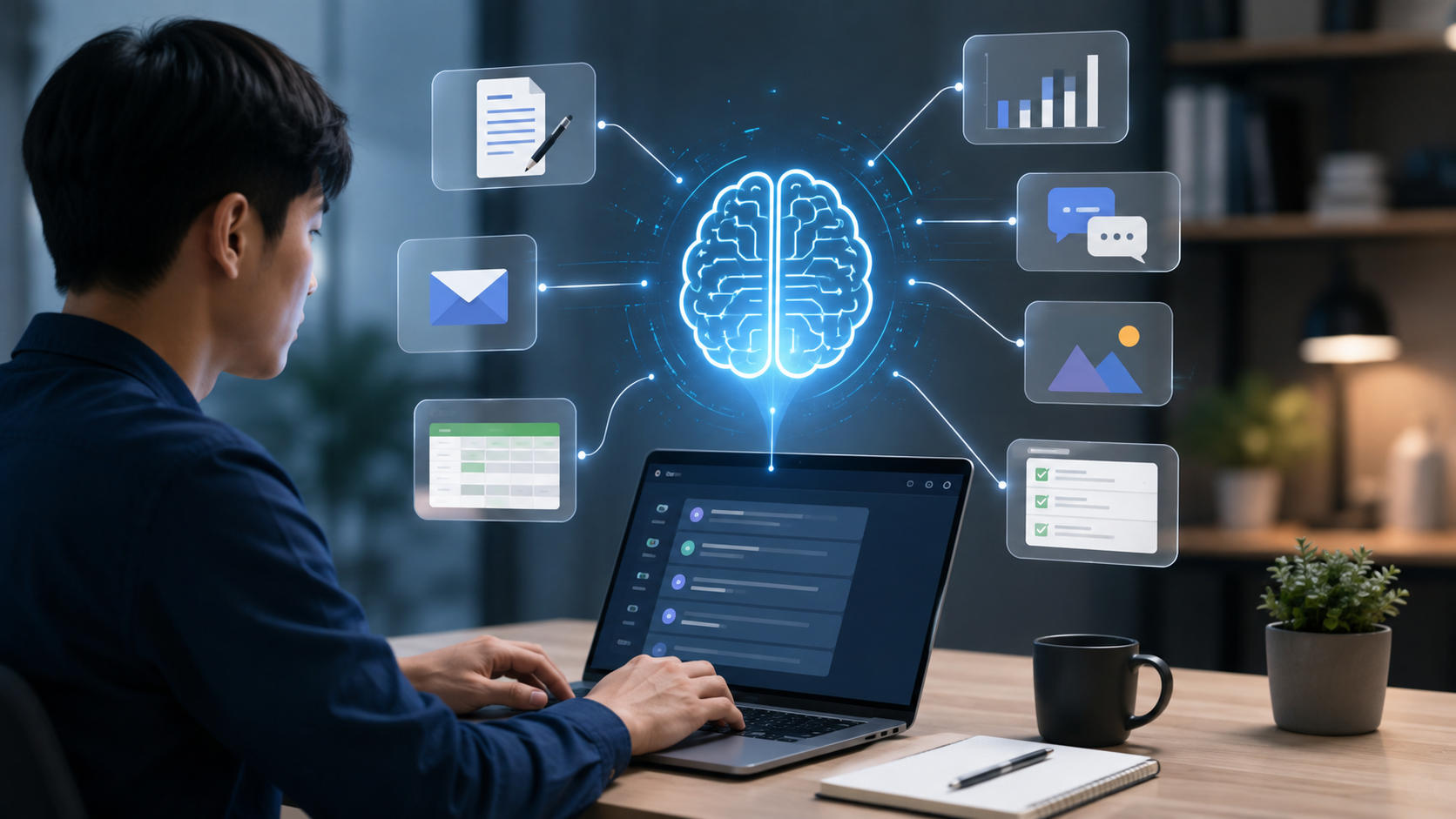
Emails, work chats, calendars, documents, meetings, and task-management tools can all be accessed from a single device. This flexibility can make it easier to work remotely and respond to urgent situations.
But it can also make switching off more difficult.
When the same device is used for both professional responsibilities and personal entertainment, the boundary between work and free time can become unclear.
A phone notification during dinner may be a message from a friend, a social media update, or an email from work. The device itself does not distinguish between personal time and professional time.
Entertainment Is Always Within Reach
Smartphones have also changed what people consider entertainment.
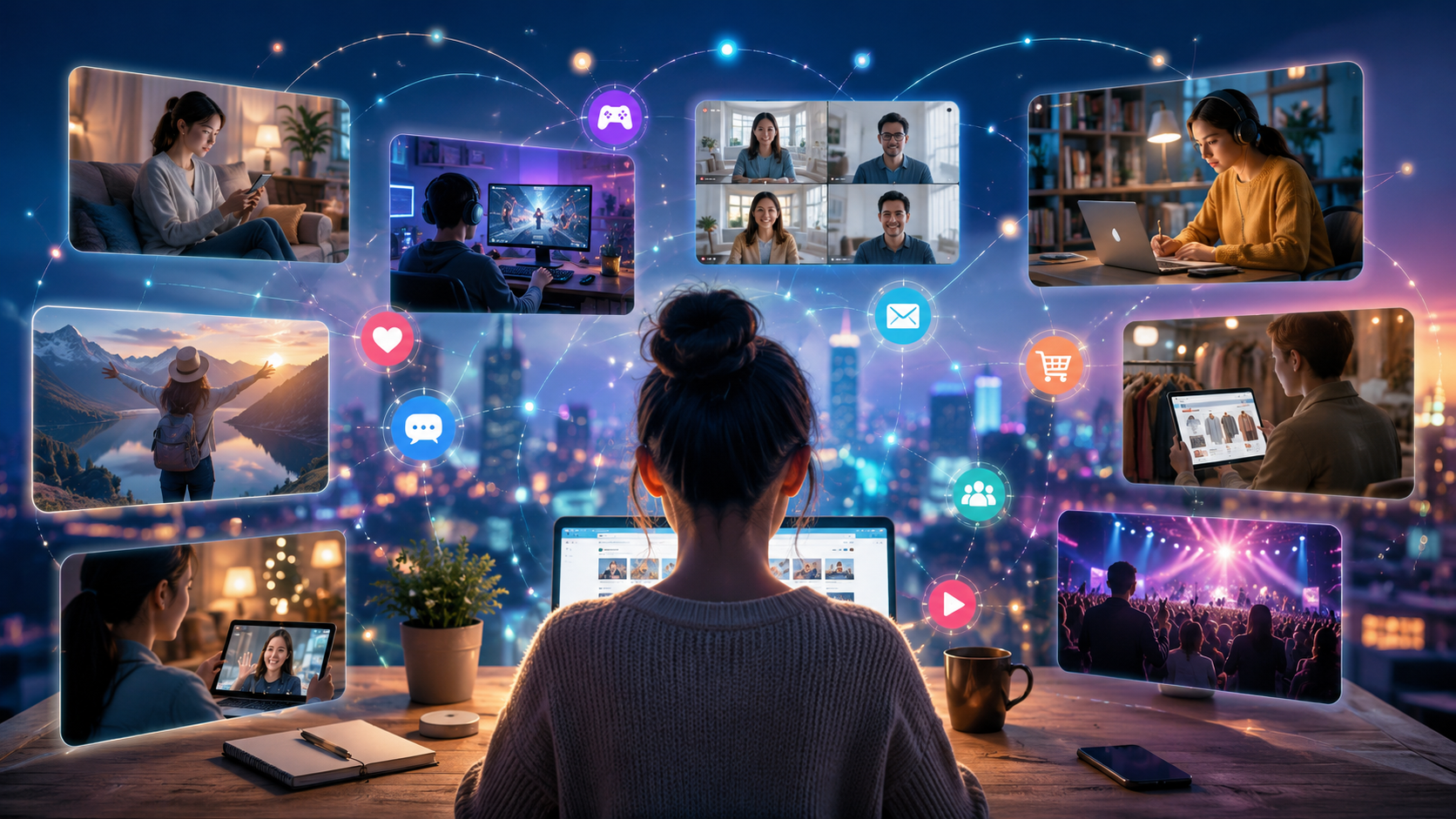
Music, movies, games, podcasts, livestreams, short-form videos, and digital books can all be accessed from a single screen.
Entertainment no longer has to be planned around a television schedule or a trip to a physical location. It can happen during a commute, during lunch, or while waiting for an appointment.
This accessibility has helped create a culture of constant content.
There is almost always something new to watch, read, listen to, or interact with. For users, the challenge is increasingly not finding entertainment but deciding when to stop consuming it.
The Smartphone Has Become Part of the Environment
Perhaps the most significant change is that smartphones are no longer perceived simply as electronic devices.
They have become part of the environment in which everyday life takes place.
People use them to wake up, communicate, travel, work, shop, pay bills, take photographs, consume entertainment, and organize their schedules. Many everyday activities now have a digital layer that did not exist before.
This makes the smartphone less like a traditional gadget and more like a personal gateway to modern life.
A More Convenient Life, With New Trade-Offs
There is little doubt that smartphones have made many aspects of life more convenient.
They can help people stay connected, find information, navigate unfamiliar places, manage finances, access entertainment, and complete tasks that once required multiple devices or physical locations.
But convenience comes with trade-offs.
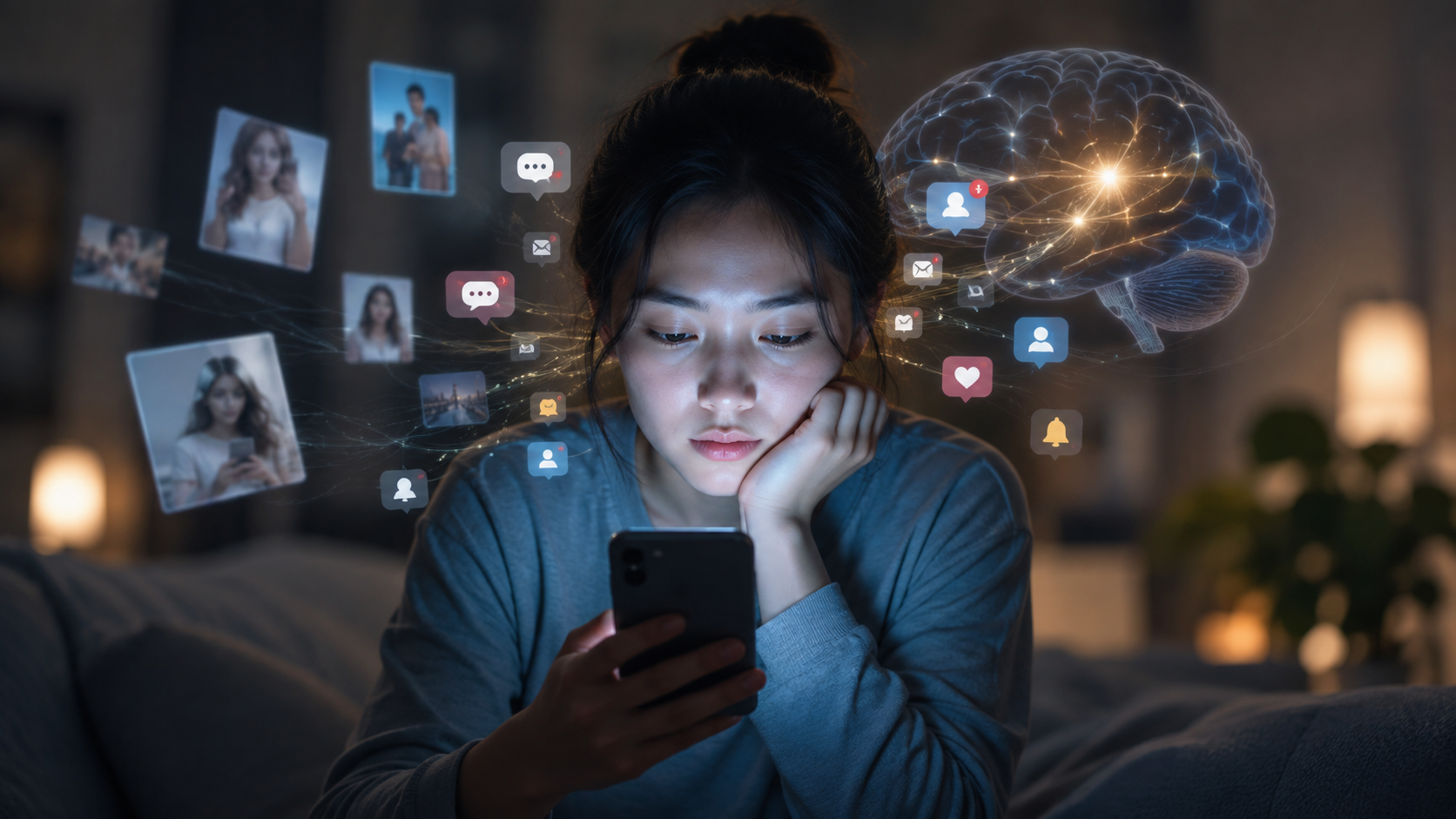
Constant notifications can interrupt attention. Endless content can make it harder to disconnect. The pressure to remain reachable can make private time feel less private. And the habit of documenting or sharing experiences can sometimes change the way those experiences are enjoyed.
The smartphone itself is neither entirely positive nor negative. Much depends on how it is used and how much space it occupies in daily routines.
Everyday Life May Never Return to the Pre-Smartphone Era
The most interesting thing about smartphones is not the technology inside them but how quietly they have changed ordinary behavior.
They have changed what people do when they are bored, how they find places, how they remember experiences, how they communicate, how they shop, and how they consume information.
Many of these changes happened gradually. There was no single moment when everyday life became smartphone-dependent. Instead, millions of small habits accumulated until the device became an almost invisible part of modern routines.
The smartphone has therefore changed more than the way people use technology. It has changed what people expect from everyday life itself: faster information, instant communication, constant entertainment, and immediate access to the digital world.
As smartphones continue to evolve, the next transformation may be even less visible. The technology may increasingly work in the background, making the devices themselves feel less important while their influence on everyday experiences becomes even greater.


Leave a Reply