
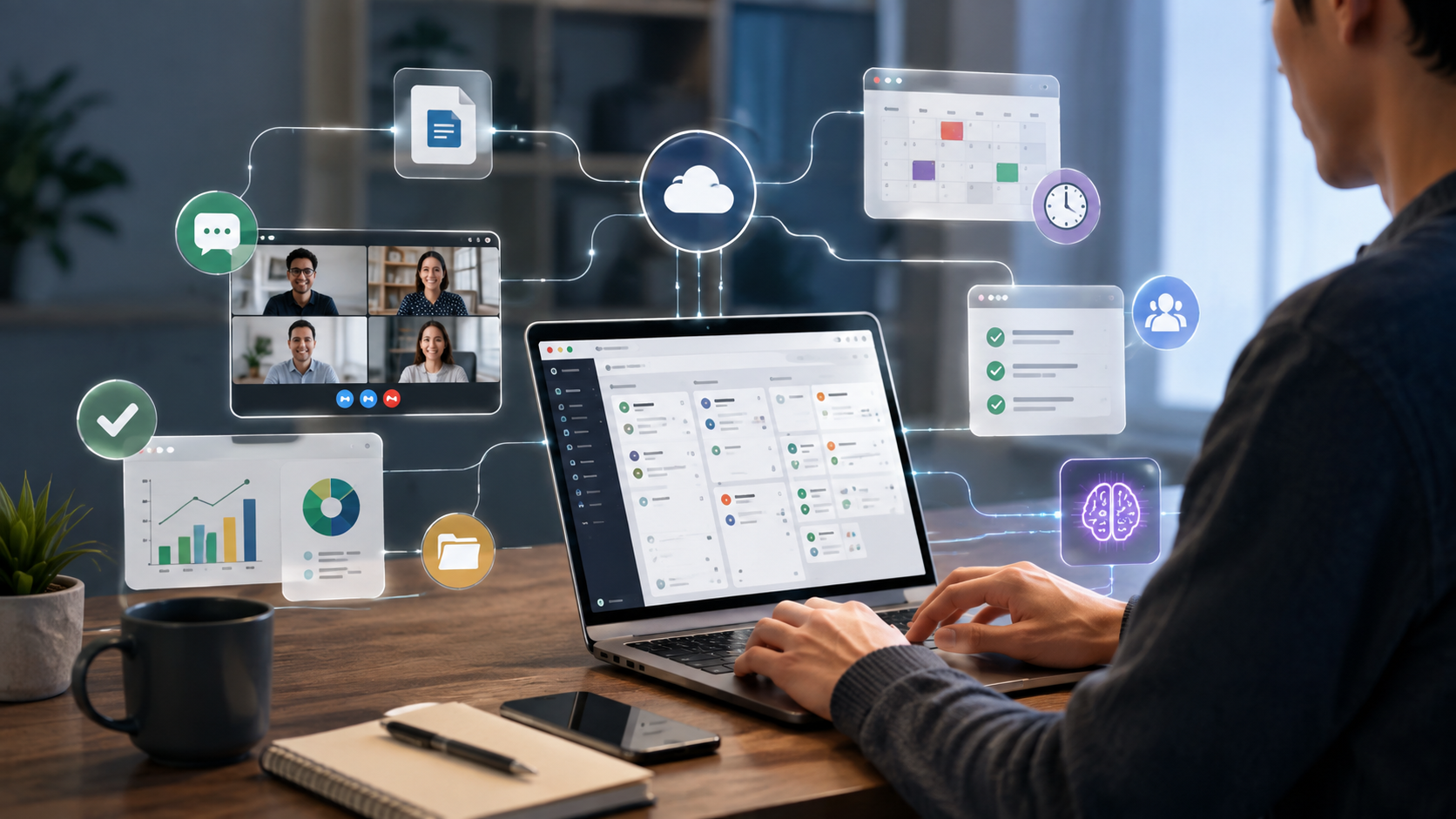
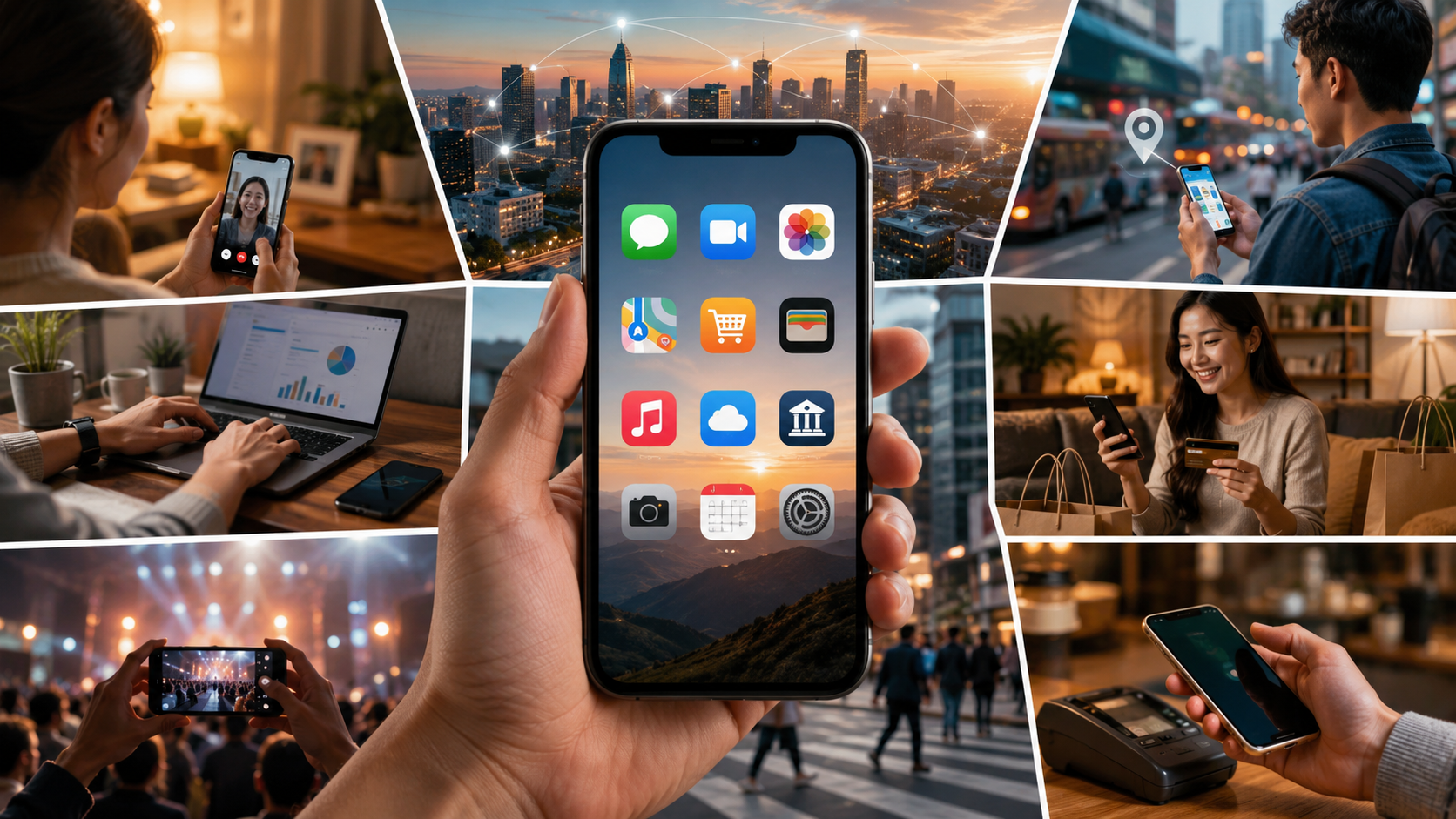
For much of modern life, getting things done used to mean relying on physical tools, paper notes, face-to-face conversations, and carefully planned schedules. Today, a growing share of everyday tasks can be completed with a smartphone, laptop, or a few taps on a screen.
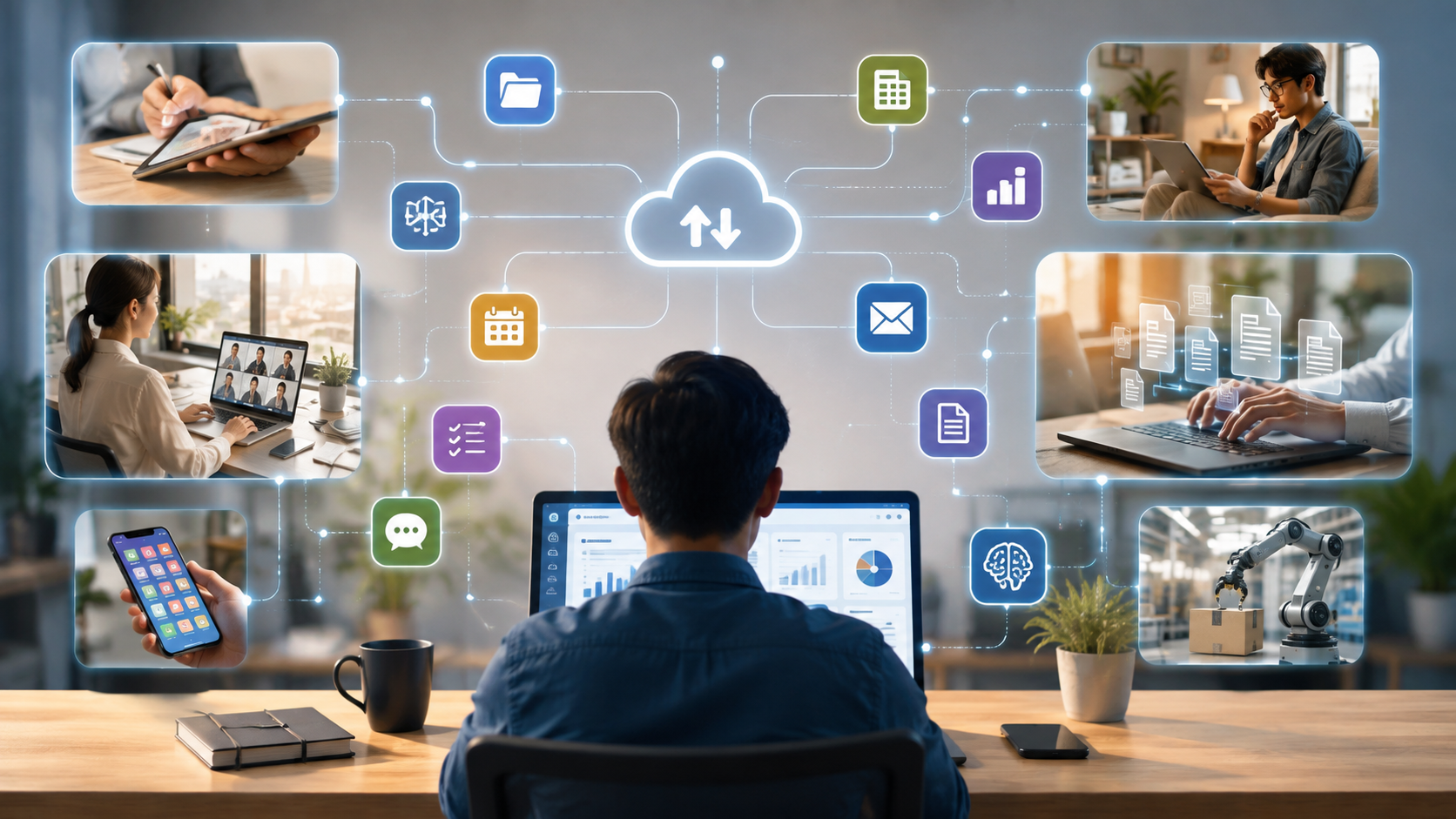
Digital tools have changed not only how quickly people work, but also how they organize information, communicate, make decisions, and manage their time. From cloud-based documents to artificial intelligence assistants, technology is gradually becoming part of almost every step of the process.
The biggest change may not be any single app or device. Instead, it is the way digital tools are reshaping the entire workflow of everyday life.
From To-Do Lists to Digital Workflows
One of the simplest examples is task management.
A traditional to-do list might contain a handful of handwritten tasks. Digital task managers can do much more. They can organize projects, assign deadlines, create reminders, prioritize tasks, and synchronize information across multiple devices.
This means people no longer have to remember every detail themselves.
A reminder can appear when something needs attention. A calendar can automatically organize appointments. A project management platform can show which tasks are complete and which still need work.
The result is a shift from simply remembering what needs to be done to designing systems that help people keep track of it.
Communication Has Become Part of the Workflow
Digital communication has also transformed productivity.
Email, messaging apps, video meetings, collaborative documents, and workplace platforms allow people to communicate without being in the same location. A question that once required a meeting can sometimes be answered with a short message.
At the same time, constant communication can create new problems.
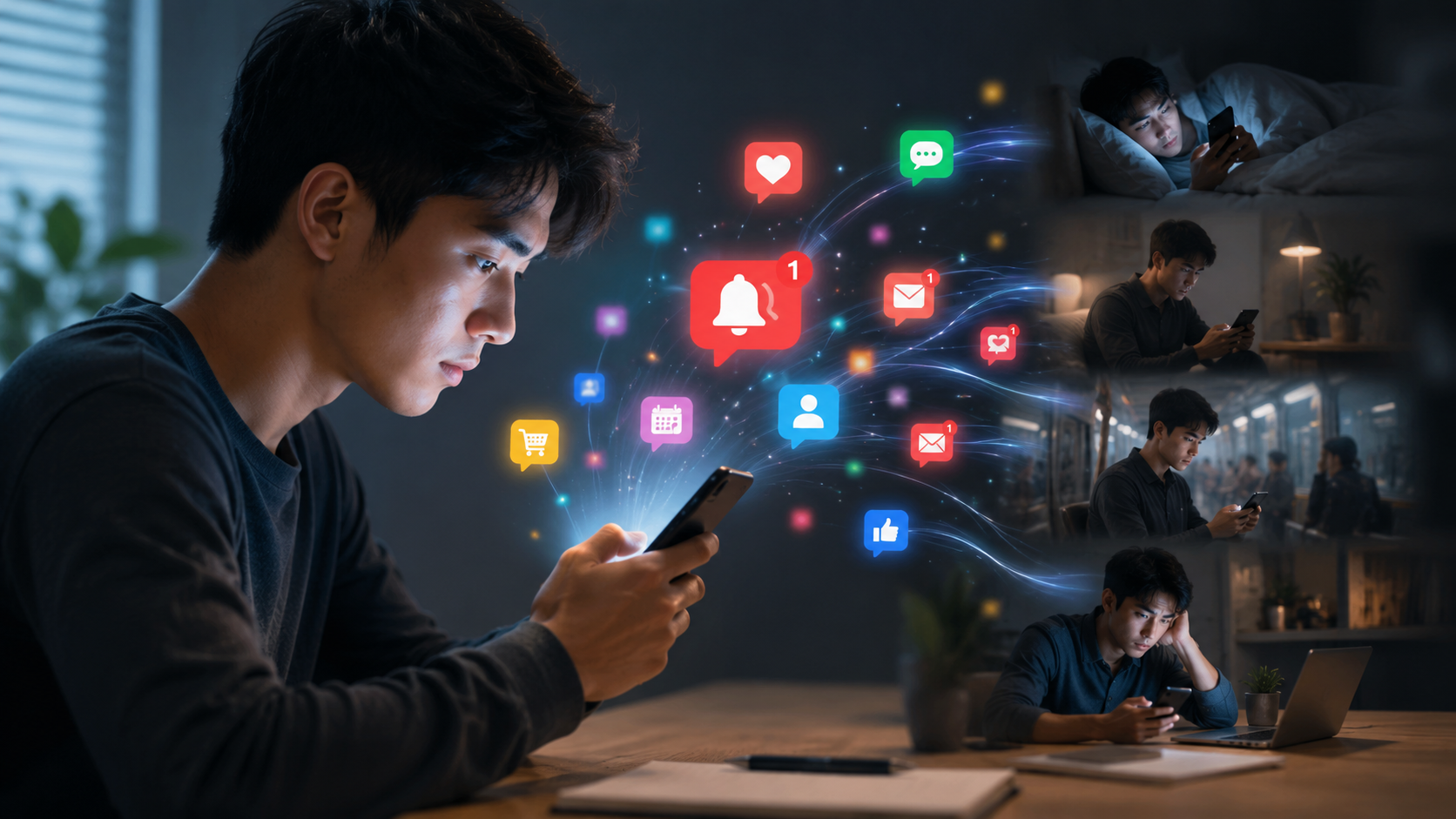
Notifications, group chats, emails, and workplace messages can interrupt concentration throughout the day. A person may appear busy and connected while making surprisingly little progress on important work.
This has created an important realization: more communication does not always mean more productivity.
The challenge is increasingly about deciding which messages deserve immediate attention and which can wait.
Cloud Technology Makes Work More Flexible
Cloud computing has changed where and when people can work.
Documents, spreadsheets, photographs, presentations, and other files can now be stored online and accessed from different devices. A person can start working on a laptop, continue on a tablet, and review the same material from a phone.
For businesses and individuals, this flexibility can remove many of the limitations associated with physical files and office-based work.
It also makes collaboration easier. Multiple people can contribute to the same document without creating endless versions of the same file.
The digital workspace is becoming less like a specific location and more like a service that follows people wherever they go.
Artificial Intelligence Is Changing the Starting Point
Artificial intelligence is adding another layer to this transformation.
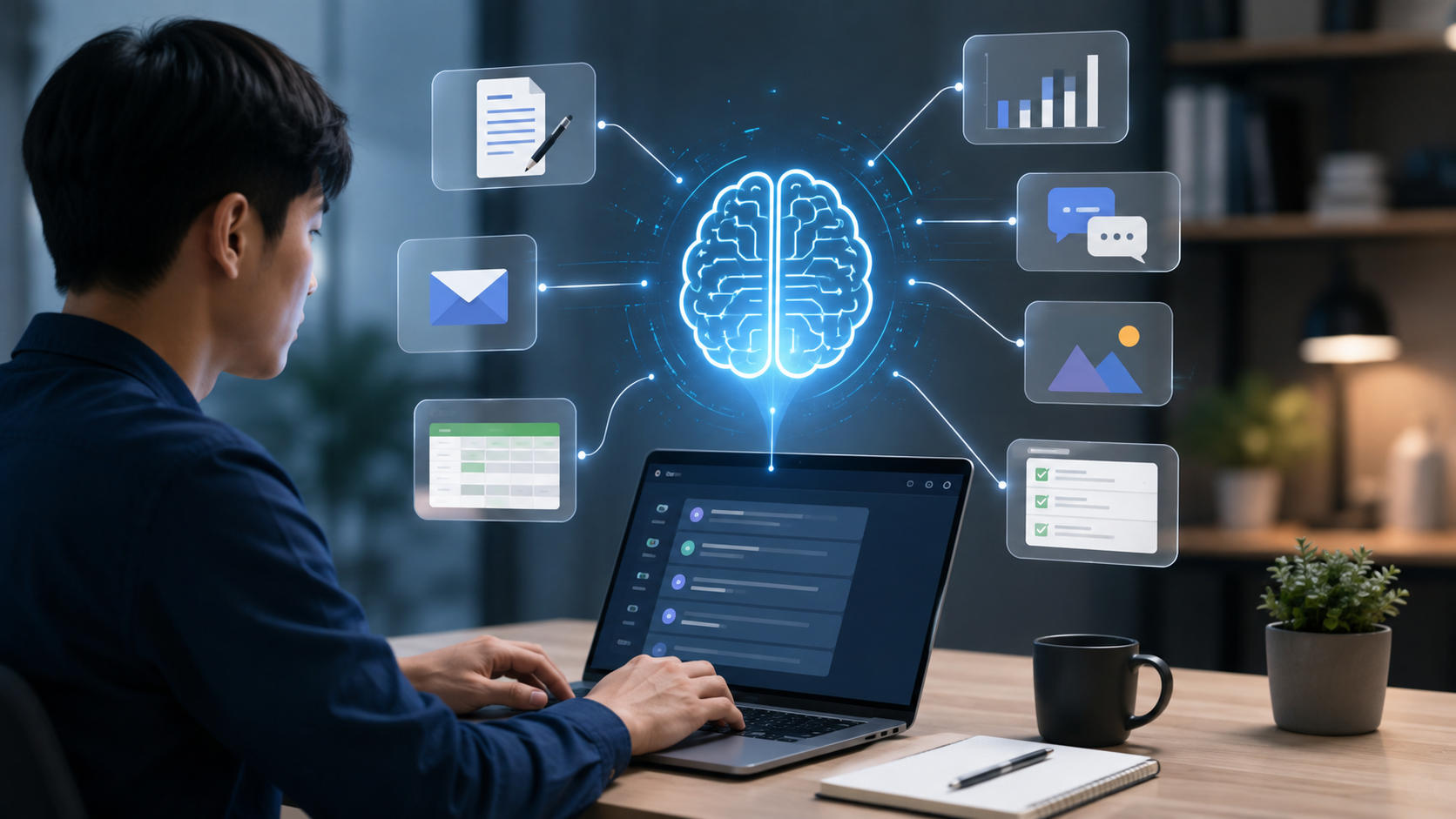
Instead of beginning every task from a blank page, people can increasingly use AI tools to generate ideas, summarize information, organize notes, draft documents, analyze data, or explain complicated subjects.
This does not necessarily mean AI will replace human work. In many situations, its more immediate effect is reducing the amount of time spent on repetitive or preparatory tasks.
Someone writing a report, for example, may use AI to organize research before focusing on the final argument. A developer might use an AI assistant to explore possible solutions before refining the code. A student may use AI to break a difficult topic into easier sections.
The human role can shift from producing everything manually to guiding, checking, improving, and making decisions about the output.
That shift could become one of the defining characteristics of digital productivity in the coming years.
Automation Is Quietly Taking Over Repetitive Tasks
Another major change is automation.
Many tasks that once required manual attention can now happen automatically. Calendar reminders, recurring payments, email filters, data backups, file synchronization, and workflow triggers can operate without someone actively managing every step.
For businesses, automation can go much further. Software can move information between systems, generate reports, categorize requests, and trigger follow-up actions.
Automation works best when the process is predictable. When something happens repeatedly, there is often an opportunity to let software handle part of it.
This gives people more time for tasks that require judgment, creativity, or personal interaction.
Digital Tools Can Also Create More Work
The benefits of digital technology come with a less obvious downside: digital tools can multiply the number of things competing for attention.
Every new platform can introduce another inbox. Every application can produce notifications. Every communication channel can create an expectation of quick responses.
As a result, productivity can become complicated by the very tools designed to improve it.
People may spend time managing task-management systems, organizing notifications, checking dashboards, and moving information between applications instead of completing meaningful work.
The goal, therefore, is not to use as many digital tools as possible.
It is to use the right tools with the least unnecessary friction.
The Human Skill That Matters More Than Ever
As digital tools become more capable, knowing how to use technology is only part of the equation.
People also need to know when not to use it.
A simple handwritten note may sometimes be faster than opening an app. A short conversation may be more effective than a long message thread. Turning off notifications may accomplish more for concentration than downloading another productivity application.
This suggests that digital productivity is becoming less about having more technology and more about developing better judgment around technology.
The most effective users are not necessarily those with the largest collection of apps. They are often the people who understand which tools genuinely improve their workflow.
A New Definition of Getting Things Done
Digital tools have changed the mechanics of everyday productivity, but their larger impact is cultural.
People increasingly expect information to be available instantly, work to continue across devices, repetitive tasks to be automated, and software to help with difficult problems.
These expectations are changing what it means to be productive.
Getting things done is no longer simply about working harder or staying busy. It is increasingly about creating systems that reduce unnecessary effort while protecting time for meaningful work.
That may be the most important lesson of the digital era: technology is most useful when it makes human effort more focused, rather than simply making people do more.
As digital tools continue to evolve, the future of productivity may not depend on how much technology people use, but on how thoughtfully they use it.







Leave a Reply