
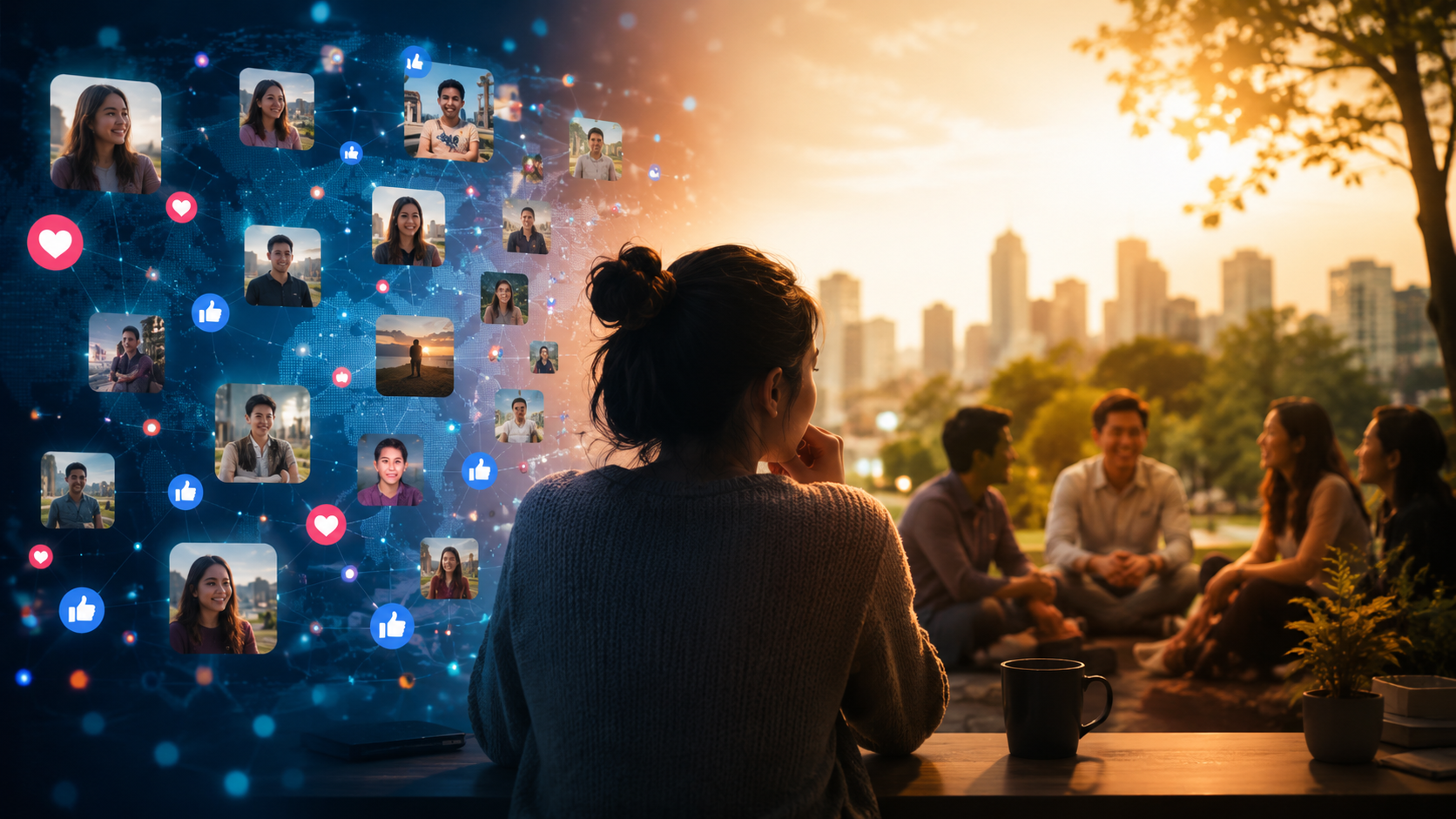
For much of human history, being connected meant being physically present. People gathered around the same table, visited neighbors, wrote letters, or traveled long distances to maintain relationships. Today, connection can happen in seconds, often without anyone leaving home.
Social media has transformed what it means to be connected. Platforms such as Facebook, Instagram, TikTok, X, and LinkedIn have made it easier than ever to communicate, share experiences, and maintain relationships across distance. But this constant access has also introduced a more complicated question: does being connected online always make us feel more connected in real life?
Connection Is No Longer Limited by Distance
One of the biggest changes brought by social media is the ability to maintain relationships regardless of geography.
Friends can move to different cities or countries without completely losing touch. Families separated by thousands of miles can share photos, messages, and everyday moments. Old classmates can reconnect years after graduation, while professional networks can extend far beyond a person’s local community.
This has made distance less powerful as a barrier to relationships. A person no longer needs to be physically nearby to remain part of someone’s daily life.
In many ways, social media has turned connection into something continuous rather than occasional.
From Conversations to Constant Updates
Traditional communication often required a deliberate effort. You might call someone, write an email, or arrange a meeting because you wanted to talk.
Social media introduced a different form of interaction: the constant update.
Instead of directly asking a friend what they have been doing, you may see their vacation photos, career announcement, dinner, or weekend activities while scrolling through your feed. You can learn small details about someone’s life without having an actual conversation.
This creates a new kind of social awareness. We may know more about what people are doing while simultaneously having fewer meaningful conversations with them.
A “like,” reaction, or short comment can maintain a sense of contact, even when there has been no real exchange of ideas or emotions.
The Rise of the Weak Connection
Social media has also expanded the number of people we can remain loosely connected to.
Someone may have hundreds or thousands of followers but only a small group of close relationships. Former coworkers, school friends, acquaintances, creators, and professional contacts can all remain visible in the same digital space.
These weak connections are not necessarily meaningless. They can introduce people to new ideas, opportunities, communities, and perspectives. A casual online connection can sometimes lead to a friendship, collaboration, or career opportunity.
However, having a large social network does not automatically mean having a strong support system.
The number of connections and the quality of those connections are two very different things.
Social Media Has Made Connection More Visible
Before social media, much of someone’s social life remained private. Today, connection is often displayed publicly.
Photos from gatherings, birthday celebrations, weddings, vacations, and professional achievements can become visible to an entire network. This creates the impression that other people’s lives are constantly active and socially fulfilling.
That visibility can change how people evaluate their own relationships.
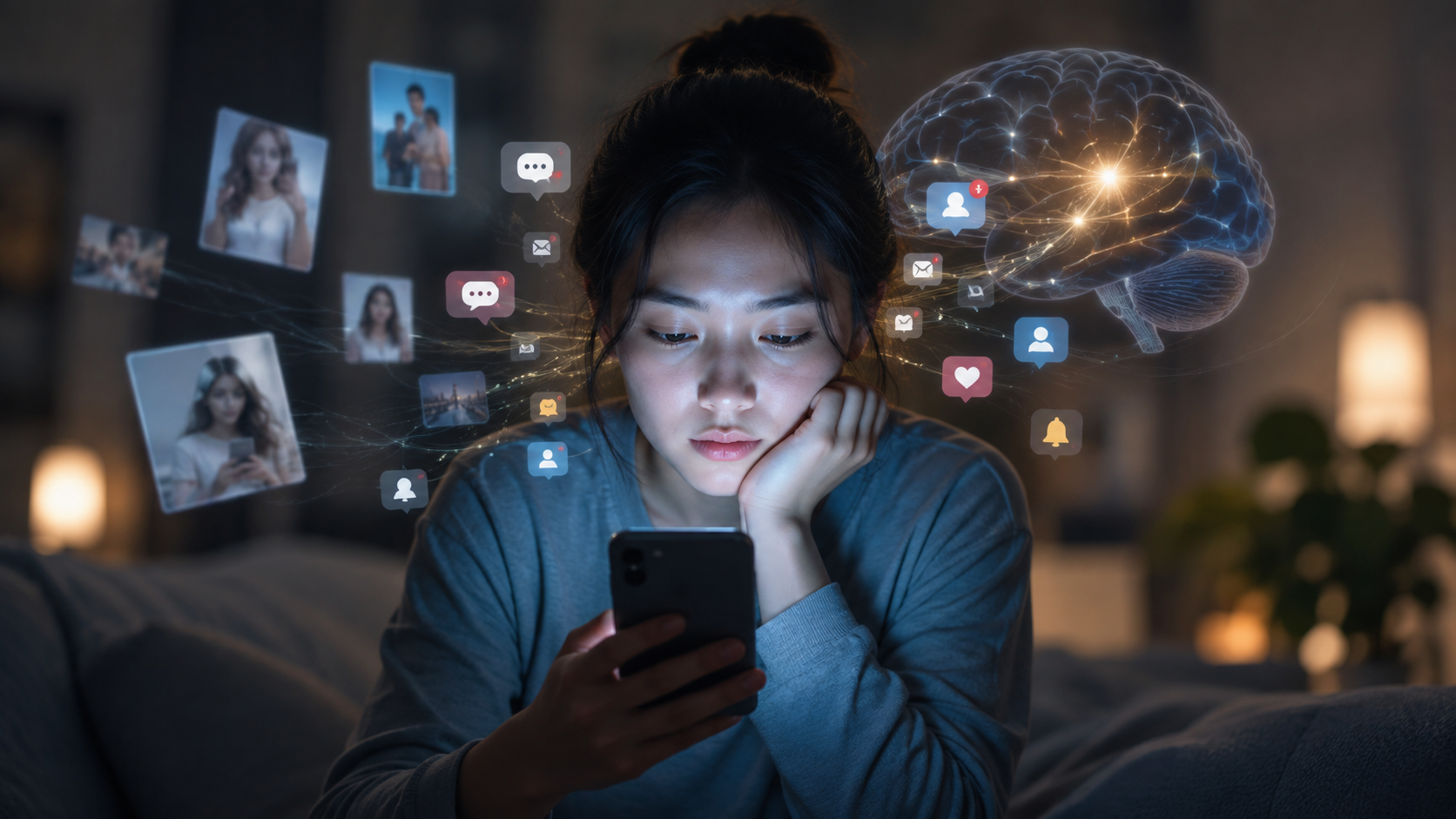
Seeing friends meet without you, watching acquaintances attend events, or observing carefully selected highlights from other people’s lives can create a feeling of being left behind. The problem is not necessarily that social media creates loneliness, but that it can make social comparison much easier.
People are no longer comparing their everyday lives only with those around them. They can compare themselves with hundreds of carefully presented lives every time they open an app.
The Pressure to Always Be Available
Being connected has also created a new expectation: availability.
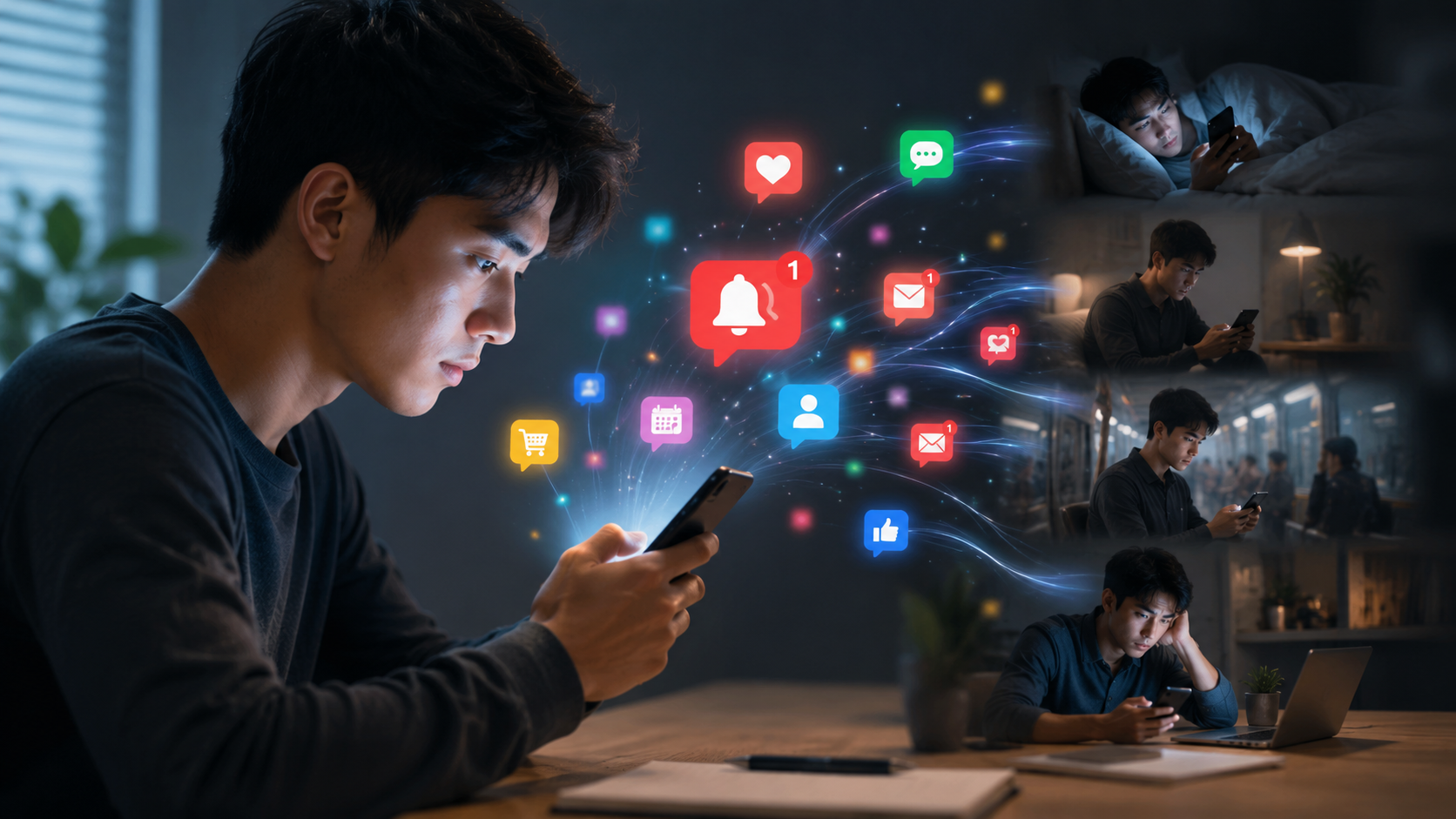
Messages can arrive at any hour. Notifications can interrupt work, meals, conversations, or rest. A person may feel pressure to respond quickly because silence can sometimes be interpreted as ignoring someone.
This changes the meaning of personal boundaries.
In the past, being unreachable for several hours was normal. Today, someone may wonder why a message has not been answered even when only a short time has passed.
Constant accessibility can make communication easier, but it can also make it harder to disconnect.
The challenge is no longer simply staying in touch. It is learning when not to be available.
Online Communities Can Create Real Belonging
Despite its challenges, social media has also created meaningful forms of community.
People with niche interests, unusual hobbies, creative ambitions, or shared experiences can find communities that may not exist in their immediate surroundings. Someone living in a small town can participate in a global community focused on photography, technology, books, gaming, entrepreneurship, fitness, or countless other interests.
For some people, these online communities provide a genuine sense of belonging.
The important distinction is that digital connection does not have to be less real simply because it happens through a screen. What matters is the quality of interaction and whether people feel understood, supported, and valued.
Connection Is Becoming More About Quality Than Quantity
Social media makes it easy to measure connection numerically. Followers, friends, likes, comments, views, and shares all provide visible indicators of social activity.
But these numbers can be misleading.
A person with a small online network may have deep and supportive relationships, while someone with a massive following may feel isolated. A post receiving thousands of likes does not necessarily represent meaningful emotional connection.
As social media becomes more deeply integrated into everyday life, the definition of connection may need to move away from quantity.
The more important question is not “How many people am I connected to?” but “Which relationships actually matter to me?”
A More Intentional Definition of Being Connected
Social media is unlikely to disappear from modern life. The challenge is therefore not to reject digital connection entirely, but to use it intentionally.
Social platforms can help people maintain long-distance relationships, discover communities, exchange ideas, and stay informed about the lives of people they care about. At the same time, meaningful relationships still require attention that goes beyond scrolling and reacting.
Sometimes that means sending a thoughtful message instead of simply liking a post. It can mean making a phone call, meeting someone in person, or putting the phone away during an important conversation.
Technology can create opportunities for connection, but people still determine what those connections mean.
The New Meaning of Connection
Social media has fundamentally expanded the idea of what it means to be connected. Connection is no longer limited by physical distance, time, or traditional social circles. A person can participate in communities around the world and remain aware of dozens of relationships throughout the day.
But greater connectivity does not automatically produce greater closeness.
The modern challenge is finding balance between being reachable and being present, between maintaining many connections and investing deeply in a few, and between sharing life online and actually experiencing it offline.
Perhaps the future of social connection will not be about becoming even more connected. Instead, it may be about becoming more intentional about the connections we already have.
In a world where almost everyone is only a notification away, genuine connection may become less about access—and more about attention, trust, and presence.








Leave a Reply