
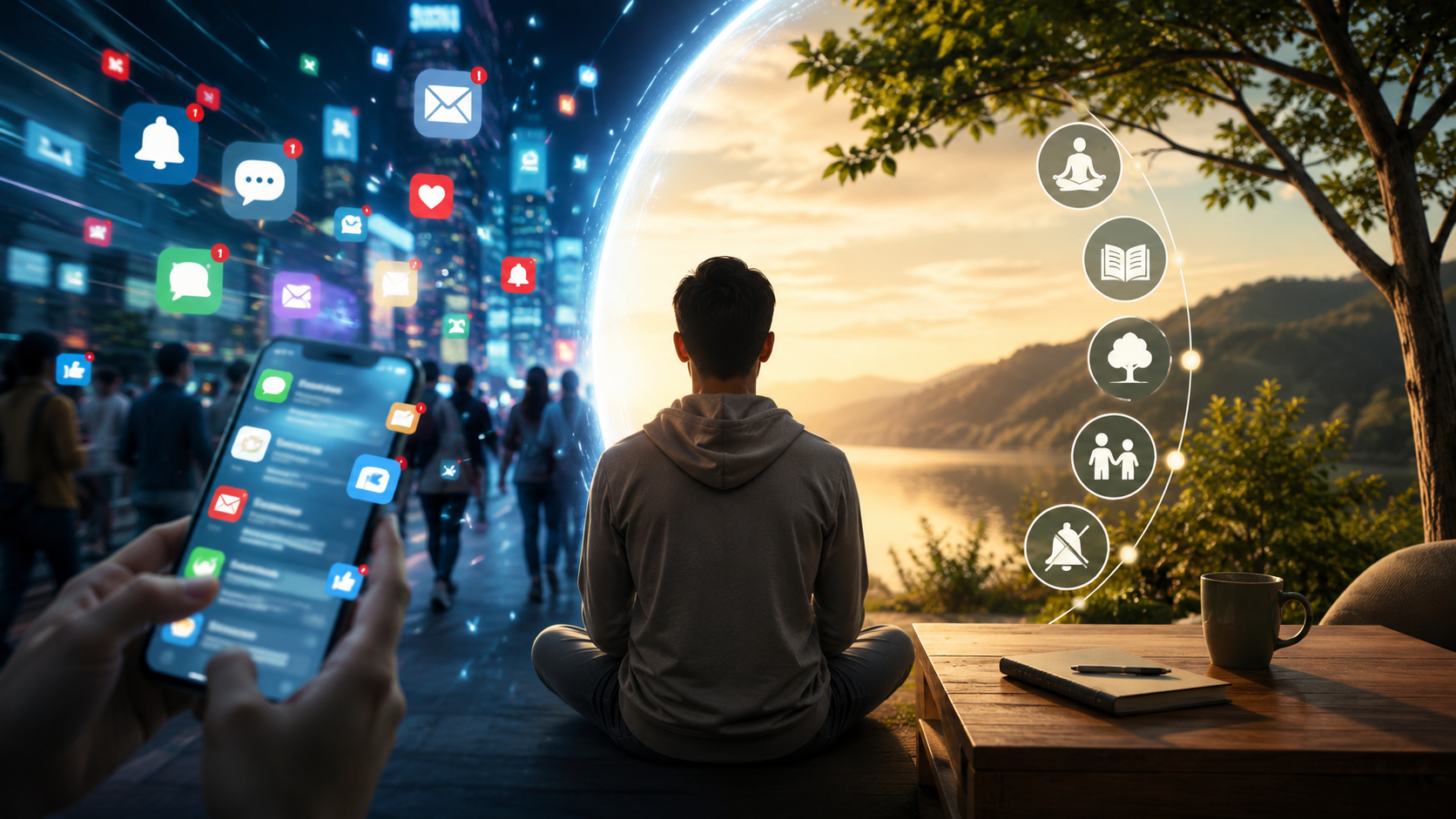
For much of modern history, being connected meant being reachable at certain times and in certain places. You went to work, checked your messages, made a phone call, and eventually went home. The day had natural pauses.
That rhythm has changed.
Today, smartphones, laptops, smartwatches, messaging apps, social platforms, and cloud services can keep us connected almost every minute. A work message can arrive during dinner. A friend can expect an immediate reply. News updates appear before breakfast, notifications interrupt meetings, and entertainment is available whenever there is a spare moment.
The benefit is obvious: information, people, and services are closer than ever.
But constant connection also creates a new challenge. When everything is available all the time, knowing when not to connect becomes just as important as knowing how to connect.
The always-connected world requires a new set of habits—not rules imposed by technology, but personal boundaries that help people use technology without allowing it to control every part of daily life.
Being Reachable Does Not Mean Being Available
One of the biggest changes brought by connected technology is the expectation of instant availability.
A message can be sent in seconds, but that does not mean a response should also be expected in seconds.
People increasingly need to separate communication from urgency. Not every notification represents an emergency, and not every unanswered message requires an immediate explanation.
A healthier approach is to establish personal expectations. Some messages can wait. Some conversations deserve uninterrupted attention. And some notifications do not need to be seen at all.
Being connected should make communication easier, not turn every moment into an obligation to respond.
Notifications Should Serve You
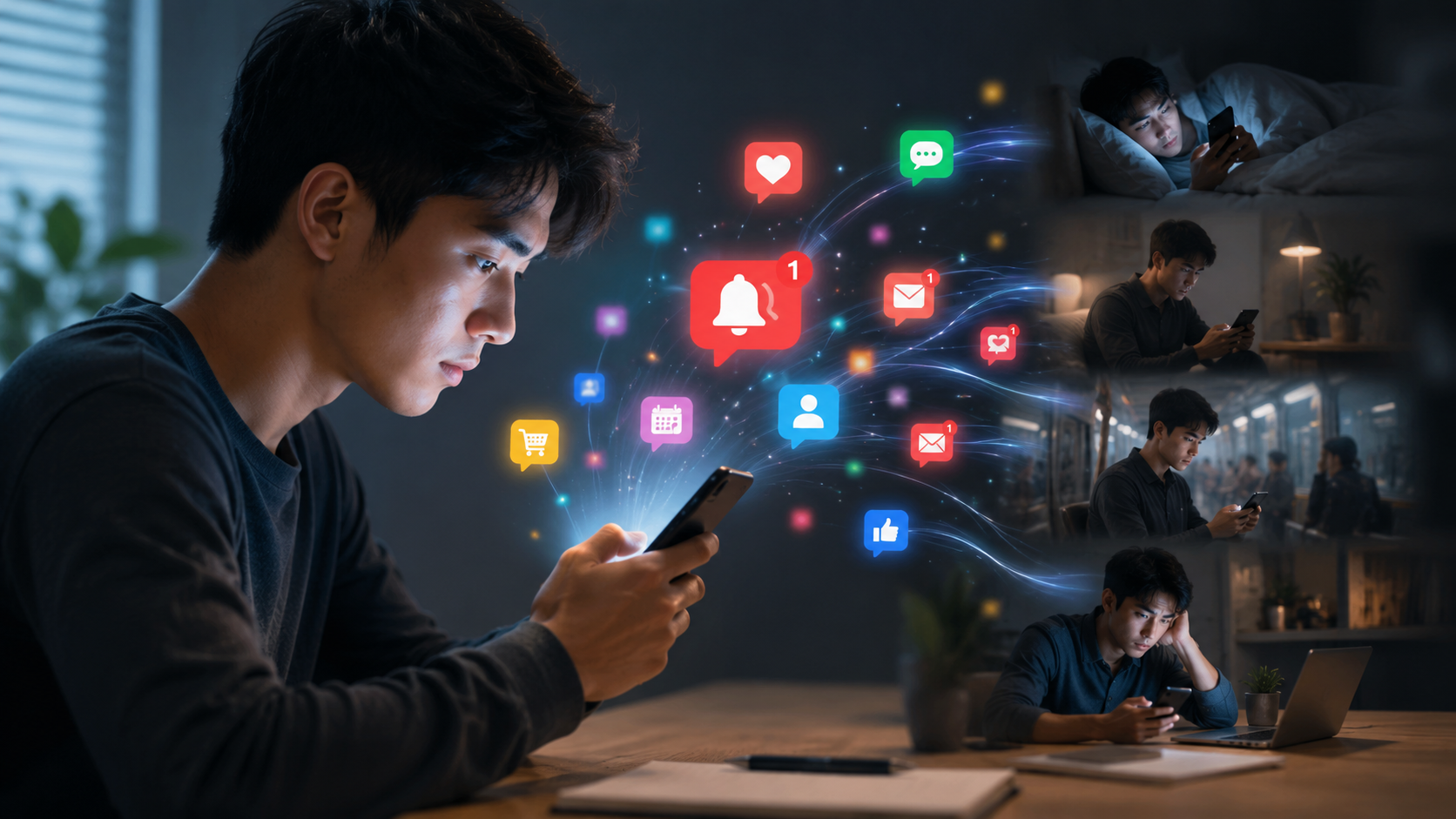
Notifications are designed to attract attention. That makes them useful when they deliver genuinely important information—but distracting when every app competes for a place in your day.
A practical rule is simple: if a notification does not help you make a decision, complete a task, or respond to something important, it probably does not need immediate access to your attention.
Turning off unnecessary notifications can create surprisingly large changes in everyday life.
Instead of checking a phone every few minutes, people can choose specific moments to review messages, social media, news, and other updates.
The goal is not to eliminate notifications. It is to make them intentional.
Protect the First and Last Moments of the Day
The beginning and end of the day have become particularly vulnerable to digital interruptions.
Checking a phone immediately after waking up can expose the mind to emails, headlines, social media updates, and other people’s priorities before the day has even started.
At night, the pattern can reverse. A quick check can turn into an hour of scrolling, delaying sleep and making it harder to mentally disconnect.
Creating technology-free periods around waking and sleeping can provide a simple boundary.
Even 20 or 30 minutes without a screen can create space for a calmer morning routine or a more gradual transition into sleep.
The principle is straightforward: not every moment needs to begin or end with a digital update.
Multitasking Is Not Always a Superpower
Constant connectivity makes multitasking feel unavoidable.
A person might answer a message while watching a presentation, read an email while eating lunch, or switch between several work applications while trying to solve a difficult problem.
But switching attention repeatedly can make simple tasks feel harder.
One of the new rules of connected living should therefore be to protect periods of focused attention.
When a task matters, reducing interruptions can be more valuable than trying to do several things simultaneously.
This could mean putting the phone out of reach, closing unnecessary browser tabs, or setting a short period where messages are ignored.
Focus has become a scarce resource. Treating it that way can make everyday work feel considerably easier.
Use Technology to Create Boundaries
Technology is often blamed for making boundaries difficult, but the same tools can also help create them.
Do-not-disturb modes, scheduled notifications, focus settings, automatic email filters, calendar blocks, and separate work profiles can all reduce unnecessary interruptions.
The important change is psychological.
Instead of asking, “How can I keep up with everything?” people can ask, “What deserves my attention right now?”
That question shifts technology from being something that demands attention into something that supports priorities.
Not Everything Needs to Be Shared
An always-connected culture can create pressure to document everyday life.
Meals, trips, purchases, achievements, opinions, and ordinary moments can quickly become content.
But a meaningful life does not need to be continuously published.
Keeping some experiences private can make them feel more personal. A conversation does not always need an audience. A trip does not require constant updates. A successful moment can be enjoyed without immediately turning it into a post.
The new rule may be simple: experience some moments before deciding whether they need to be shared.
Learn to Be Temporarily Unreachable
Being offline can feel uncomfortable at first, especially for people accustomed to checking their phones frequently.
Yet temporary disconnection can provide something that constant connectivity cannot: uninterrupted time.
A walk without a phone in hand, an afternoon without social media, or a meal without notifications can create a different rhythm.
These periods do not have to be dramatic digital detoxes. Small breaks can be enough.
The objective is not to escape technology permanently. It is to remind yourself that being connected is a choice.
Build a Different Relationship With Information
The always-connected world does not suffer from a lack of information. It suffers from an excess of it.
News, opinions, recommendations, videos, advertisements, messages, and updates are constantly competing for attention.
This makes information management an important modern skill.
Instead of consuming whatever appears next, people can become more selective about what they follow. Choosing reliable sources, limiting repetitive feeds, and checking information at intentional times can reduce the feeling of being overwhelmed.
More information is not automatically better information.
Sometimes the most useful digital habit is simply knowing when to stop consuming.
Make Room for Boredom
Constant connectivity has made boredom easier to eliminate.
Waiting in line can become scrolling time. A quiet elevator ride can become an opportunity to check messages. Even a few minutes of inactivity can feel like something that needs to be filled.
But boredom can have value.
Without constant stimulation, the mind has an opportunity to wander, reflect, observe its surroundings, or simply rest.
In an always-connected world, allowing yourself to occasionally do nothing may become a surprisingly important form of balance.
The Goal Is Not Less Technology
The future of healthy digital living is not necessarily about using technology less.
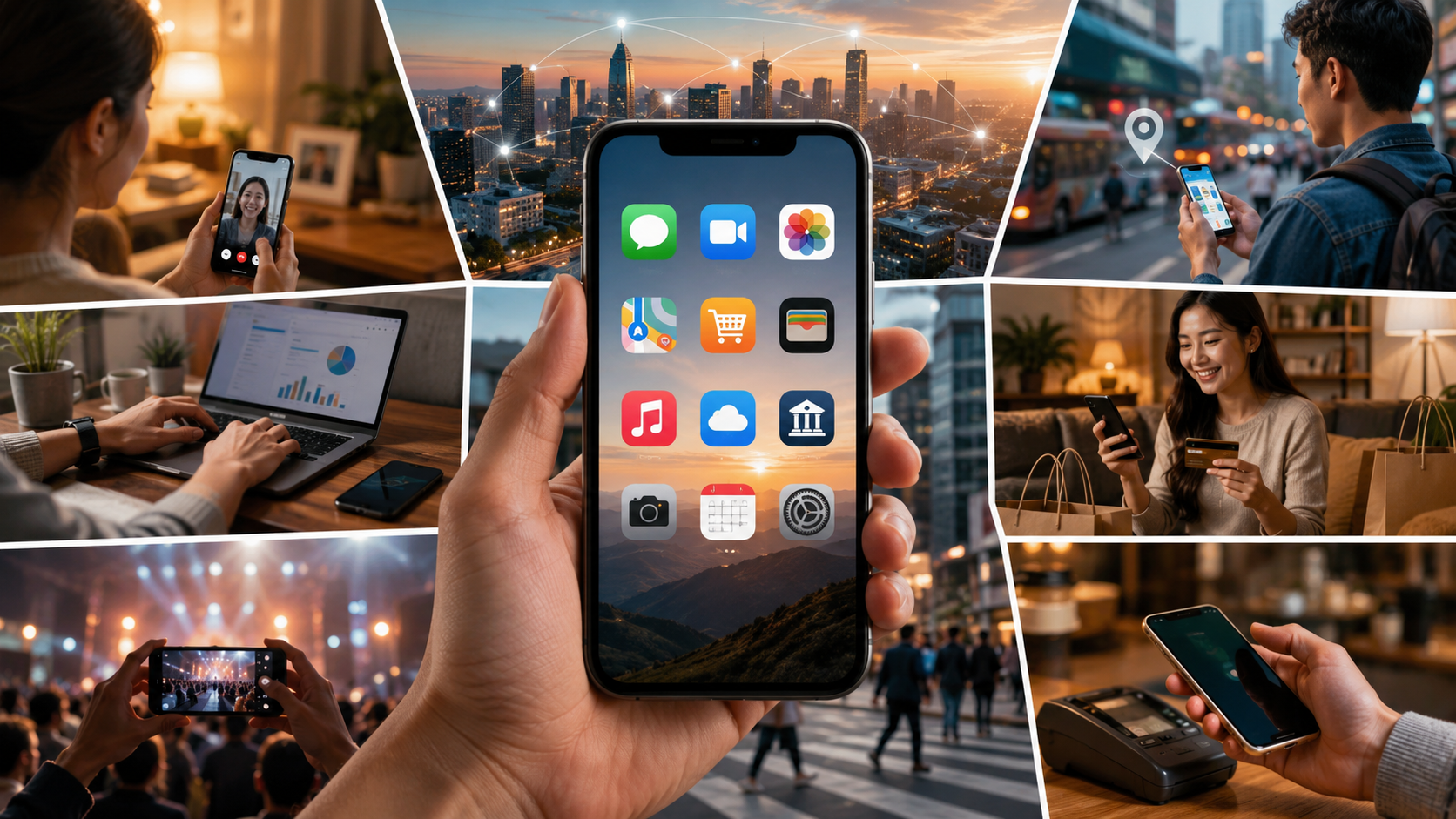
For many people, technology is essential for work, education, communication, navigation, entertainment, banking, creativity, and countless other activities.
The better goal is more intentional technology use.
A smartphone can be a powerful tool without becoming a permanent source of interruption. Social media can provide connection without becoming a measure of personal worth. Remote work can provide flexibility without making every hour a potential work hour.
The difference comes from boundaries.
A New Definition of Being Connected
Being connected used to mean having access to people and information.
Now that access is nearly constant, the challenge has changed.
The important question is no longer whether we can connect. It is whether we can decide when connection is valuable and when disconnection is healthier.
The new rules of living in an always-connected world are therefore less about rejecting technology and more about controlling attention.
Respond when something matters. Ignore what can wait. Protect focused work. Create quiet periods. Keep some experiences private. Make room for boredom. And remember that being reachable does not mean being available every second.
Technology will continue to become more integrated into everyday life. The people who benefit most may not be those who stay connected the longest, but those who learn how to connect on their own terms.










Leave a Reply