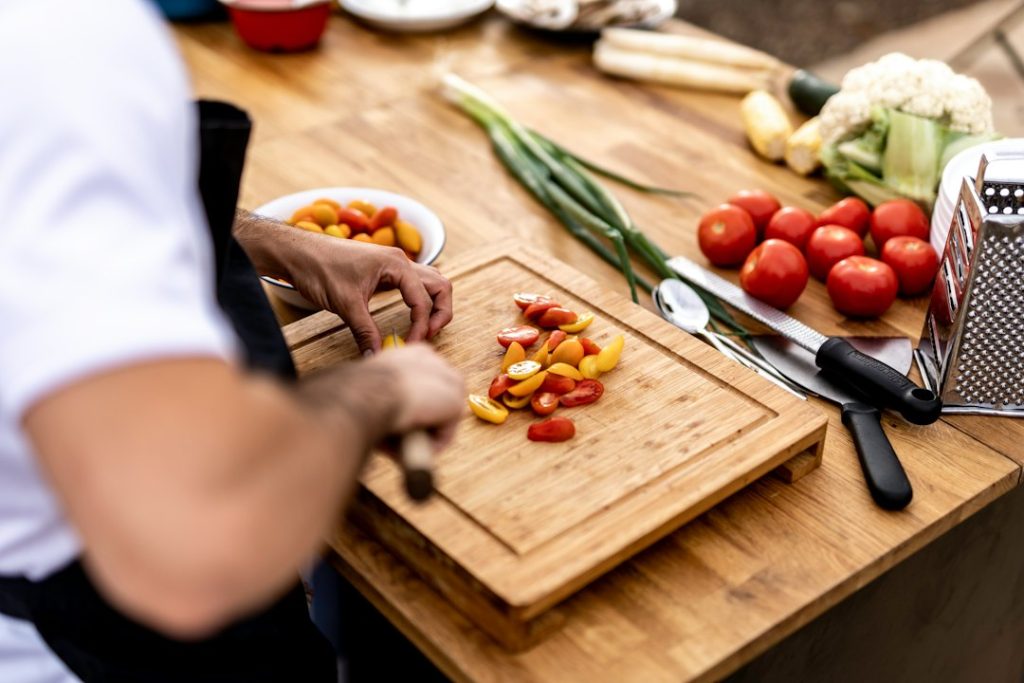
Cooking at home can look like a chore when the day has been busy. Ingredients need to be chosen, surfaces need to be cleaned and dinner has to fit around work, family and everything else competing for attention. Yet many people continue to rediscover the pleasure of preparing a meal themselves.
The attraction is not always about becoming an expert cook. It can be as simple as making a familiar dish, trying a new flavour or enjoying the satisfaction of turning a few ingredients into something worth sharing. In a routine dominated by quick decisions, cooking offers a practical activity with a visible result.
More control over everyday choices
Preparing food at home gives people greater control over ingredients, portions and timing. Someone can adjust a recipe to suit personal preferences, use vegetables that are already in the fridge or make enough for another meal. This flexibility can be helpful for households with different schedules and tastes.
It also makes it easier to understand what goes into a dish. Reading labels and choosing ingredients becomes part of the process rather than something decided by a menu. That does not mean every home-cooked meal is automatically healthier or less expensive, but it gives the cook more room to make informed choices.
Small skills make a big difference
Cooking can feel intimidating when recipes appear complicated or social media presents perfect-looking results. In reality, a small collection of basic skills can make everyday meals much easier. Learning how to prepare vegetables, season food gradually, cook grains and manage heat provides a foundation for many dishes.
Once those skills become familiar, recipes can be treated as guides rather than strict instructions. A cook can substitute an ingredient, use leftovers or adjust the seasoning without feeling that the entire meal has been ruined.
Confidence usually comes from repetition. A simple meal made several times can become more useful than an ambitious recipe that takes hours and is rarely attempted again.
Cooking can turn routine into creativity
There is room for experimentation even in ordinary meals. A different herb, sauce or cooking method can change the character of familiar ingredients. Leftovers can become the starting point for a soup, sandwich filling or rice dish. These small decisions allow creativity without requiring a completely new shopping list.
Seasonal ingredients can also provide inspiration. Choosing produce that is readily available may encourage people to try foods they do not usually buy. The result is a way to keep everyday cooking interesting while staying connected to local markets and changing seasons.
The social side of a shared meal
Cooking can be a collaborative activity. One person prepares vegetables while another handles the main dish; children can help with safe, age-appropriate tasks; friends can bring ingredients for a meal they make together. The process creates opportunities for conversation before anyone sits down to eat.
Family recipes can also carry stories. A dish associated with a relative or a particular celebration may connect people to memories and traditions. Even when a recipe is adapted, the act of preparing it can preserve a sense of continuity.
Making home cooking realistic on busy days
The key to maintaining a cooking habit is to reduce friction. Keep a few reliable ingredients available, plan two or three flexible meals rather than a rigid seven-day menu, and use leftovers deliberately. Frozen vegetables, canned beans and pantry staples can be useful foundations when fresh shopping is not possible.
It is also sensible to choose recipes that match the time available. A quick pasta, omelette or tray of roasted vegetables may be more practical on a weekday than a complicated dish with several stages. Cooking should support daily life, not become another source of pressure.
A satisfying part of everyday life
Home cooking will not suit every schedule, and eating out or ordering food can be useful when time is limited. But preparing meals at home offers benefits that go beyond the final plate: flexibility, practical skills, creativity and opportunities to connect with other people.
The pleasure often comes from keeping things simple. A meal does not need to look perfect to be worthwhile. It only needs to fit the moment, taste good and make the everyday routine feel a little more personal.