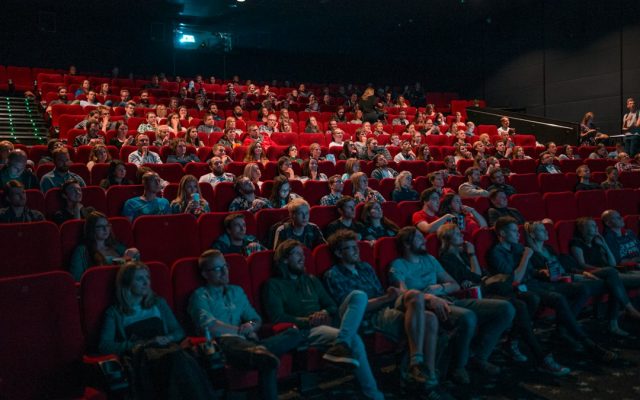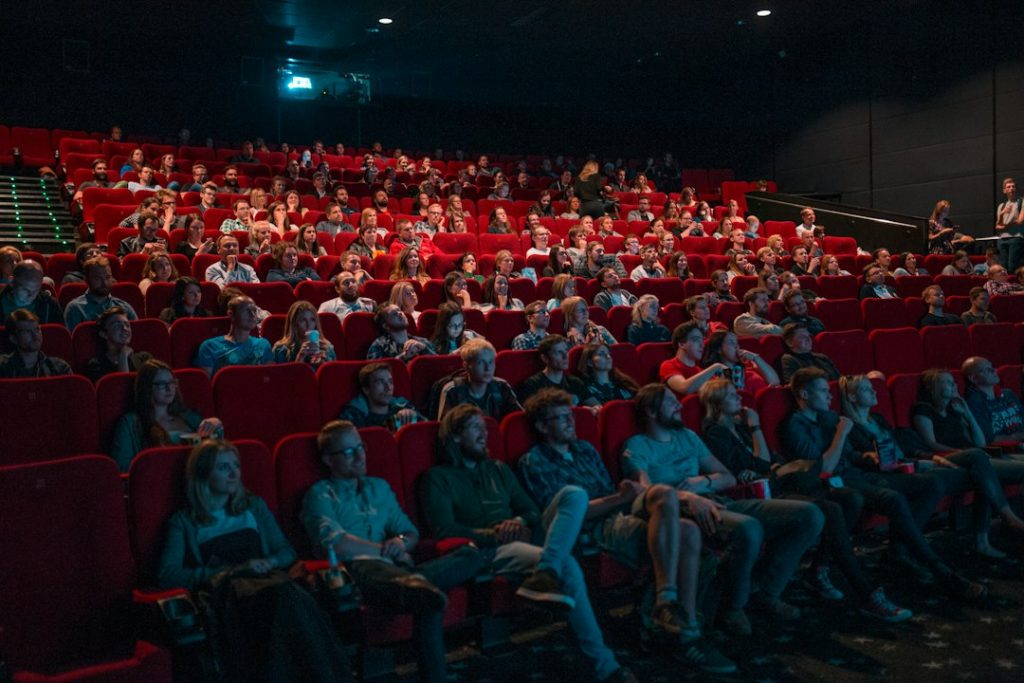
Films are easier to watch at home than at almost any point in history. A television, laptop or phone can open the door to thousands of titles, often within seconds. Yet cinemas continue to offer something that a convenient home screen cannot fully reproduce: a shared experience in which a room full of strangers gives the same story its undivided attention.
The appeal is not simply a larger picture. Going to the cinema changes the way people prepare for and experience a film. It involves choosing a screening, travelling to a venue, finding a seat and putting everyday distractions aside. Those small rituals turn watching into an event rather than another activity competing for attention.
A different kind of attention
At home, interruptions are easy. A phone lights up, someone pauses to answer a message, or a viewer switches to another app during a slower scene. The ability to pause is useful, but it can also make it harder to become fully absorbed in a story.
A cinema encourages a more focused relationship with the film. The screen fills the viewer’s field of vision, the sound creates a sense of space and the darkness reduces competing visual information. People are not forced to concentrate, of course, but the environment makes sustained attention easier.
This matters for films that rely on atmosphere, carefully designed sound or gradual storytelling. A quiet moment can feel more significant when the audience experiences it together without a stream of notifications breaking the mood.
Scale changes the emotional impact
Large-format screens and carefully designed sound systems can make visual storytelling feel physical. A landscape appears expansive, a musical performance gains presence and a tense sequence can create a shared reaction across the room. Home equipment has improved enormously, but the scale and acoustics of a cinema remain difficult to duplicate in an ordinary living room.
The difference is not always about spectacle. A close-up can become more intimate when it occupies a huge screen, while a carefully mixed soundtrack can reveal small details that might be missed through television speakers. The venue becomes part of the storytelling experience.
Watching together creates its own memories
One of cinema’s strongest qualities is its social dimension. Friends can discuss a surprising ending immediately after the credits. Families can make a weekend outing around a film. Couples can remember the first movie they watched together. Even strangers may laugh, gasp or fall silent at exactly the same moment.
These reactions create a temporary community. Everyone arrives with a different background, but for two hours they share the same fictional world. A comedy can become funnier when laughter spreads through the room, while a dramatic scene can feel more powerful when the audience collectively becomes quiet.
The memory of a film is therefore sometimes connected to where it was watched and who was there, not only to the story itself.
The outing is part of the value
Going to the cinema also gives people a reason to leave the house. The journey, a meal before the screening or a conversation afterwards can make the experience feel like a complete evening. That sense of occasion is useful in a world where entertainment is increasingly delivered directly to the sofa.
For local venues, screenings can also support surrounding businesses and create a cultural meeting place. Independent cinemas may host special seasons, discussions, older films or community events that are difficult to replicate through a standard streaming catalogue.
Streaming and cinemas can complement each other
It is not necessary to choose one format over the other. Streaming is convenient for discovering older titles, catching up on series and watching around a busy schedule. Cinemas are especially attractive when a film benefits from scale, when people want a shared outing or when a new release becomes a cultural event.
The best viewing choice depends on the film and the moment. A quiet drama may be perfect for a relaxed evening at home, while a visually ambitious adventure can feel more rewarding on a large screen. Both formats give audiences different ways to engage with stories.
An experience built around being present
The cinema’s lasting appeal comes from more than nostalgia. It offers a focused environment, a sense of scale and the simple pleasure of experiencing a story with other people. As home entertainment becomes more flexible, the value of an occasion that asks viewers to be present may become even clearer.
Streaming can make films available almost anywhere. The cinema reminds audiences that sometimes the way a story is experienced matters just as much as the story itself.