The opening weeks of 2026 brought a familiar question back to the centre of entertainment: how much of the year’s cultural conversation will be shaped by established names, and how much room will be left for something unexpected? A broad preview of the year pointed to a crowded calendar across film, television, music, theatre and games. The list was not simply a schedule of releases. It was a snapshot of how the industry now competes for attention.
A calendar built around recognition
Large entertainment brands continue to carry enormous value because audiences understand the worlds, characters and creative identities attached to them. A new chapter in a recognised franchise arrives with an existing community, a visual language and years of conversation behind it. That familiarity can make a release easier to discover in a crowded market, especially when viewers are deciding what deserves their limited free time.
Yet familiarity is not a guarantee of success. Long-running properties face a different challenge: they must give returning fans a reason to care without making newcomers feel excluded. A sequel that depends too heavily on old references can become a closed conversation. A successful continuation usually offers a clear emotional or creative idea that works even for someone who has not followed every instalment.
Why original work still has an opening
The same crowded calendar also creates opportunities for smaller productions. A distinctive premise, a strong performance or a filmmaker’s recognisable point of view can travel quickly through recommendations and social discussion. Independent projects do not always need the largest marketing campaign to become part of the conversation; they need a reason for audiences to tell other people what they have experienced.
That dynamic is particularly visible in horror, documentary and character-led drama. These formats can create a strong identity without relying on enormous fictional universes. They also give audiences a different kind of value: a fresh perspective, a surprising tone or a story that feels connected to the present moment.
Streaming and cinemas are competing differently
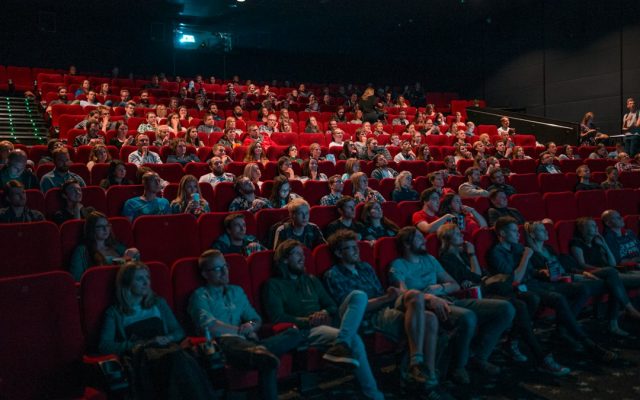
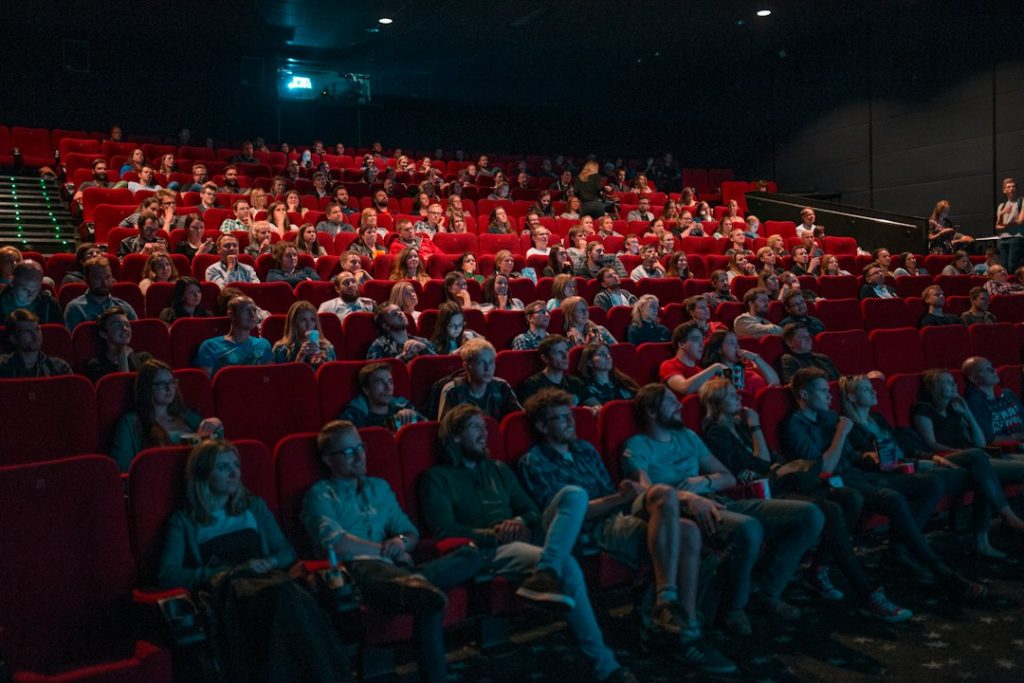
The release calendar also highlights the continuing relationship between theatrical and at-home viewing. Streaming services offer convenience and a steady flow of new programmes, while cinemas sell scale, shared attention and the sense of an event. Neither experience fully replaces the other. A film can become a communal occasion in a cinema and later find a second audience at home.
For viewers, the growing number of choices makes curation more important. Release dates, trailers and platform recommendations can help people decide what to watch, but trusted criticism and conversations with friends still provide context that an algorithm may miss. The question is no longer only what is available; it is what feels worth making time for.
The audience has more influence than ever
Online communities can extend the life of a release long after its opening weekend. Fan theories, reviews, clips and creative responses can introduce a title to people who were not following its launch. At the same time, rapid online reaction can make expectations difficult to manage. A project may be judged before a wide audience has had the chance to experience it for themselves.
For studios and creators, the challenge is to build genuine interest rather than simply generate a short burst of visibility. For audiences, the opportunity is to look beyond the loudest campaign and find work that matches their interests. A year packed with familiar names can still be a year of discovery, provided the conversation leaves space for new ideas.
What the 2026 slate tells us
The strongest entertainment year is rarely defined by one format or one franchise. It is shaped by contrast: big releases alongside intimate stories, returning favourites alongside first-time experiments, and shared cinema events alongside programmes designed for quiet evenings. The 2026 calendar offered plenty of all three.
Ultimately, the value of a busy release schedule is not the number of titles competing for attention. It is the range of experiences available to audiences. Familiar brands may open the door, but memorable performances, original ideas and word-of-mouth discoveries are what keep the cultural conversation moving.