

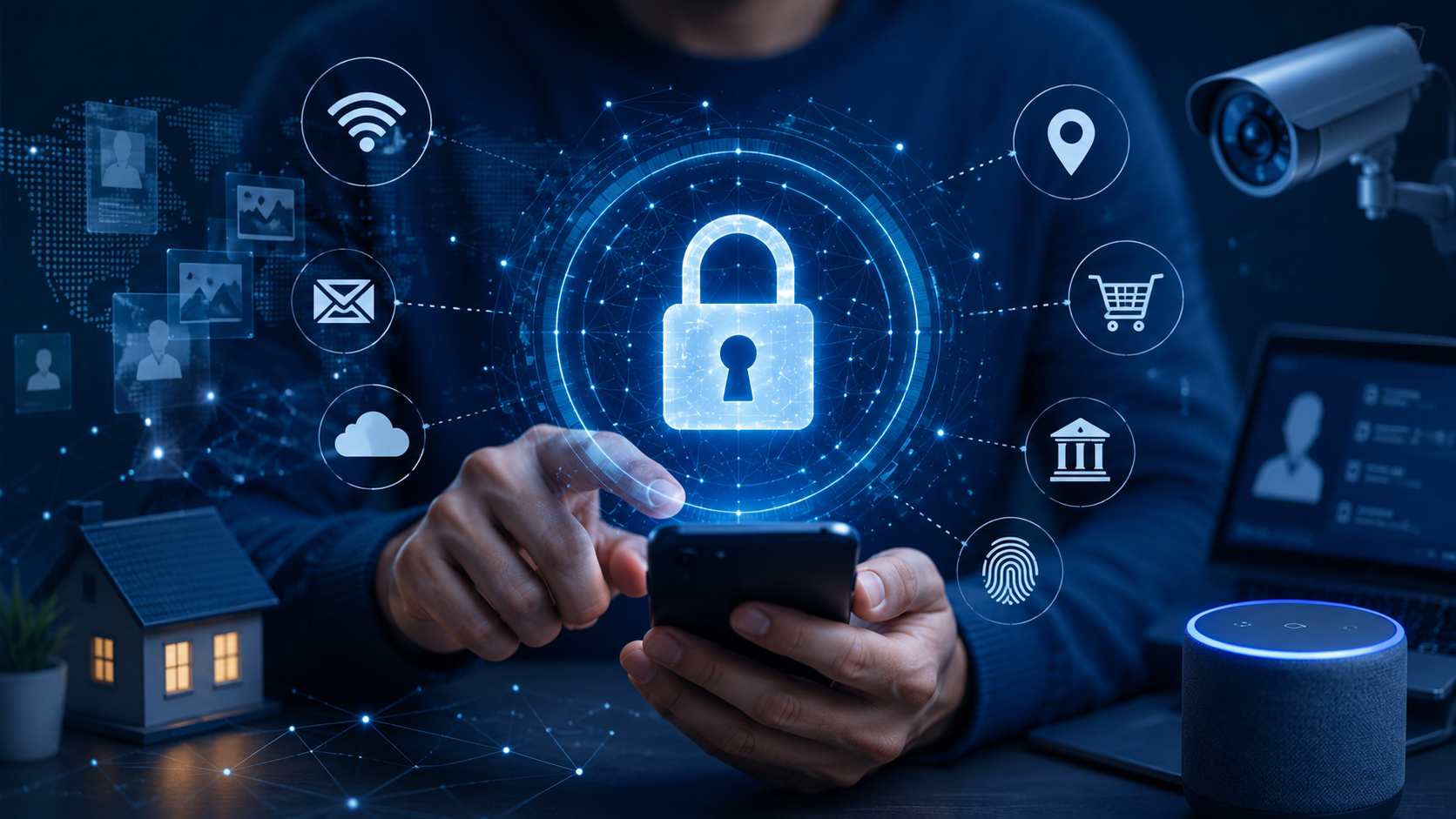
Technology has become so deeply woven into everyday life that it can be difficult to imagine what life would look like without it. Smartphones wake us up, apps organize our schedules, social platforms keep us connected, and digital services make everything from shopping to banking faster.
Yet, despite these conveniences, more people are beginning to question how much technology they actually want in their lives.
The conversation is no longer simply about whether technology is useful. Instead, people are asking a more personal question: Is technology helping me live better, or is it quietly taking control of too much of my attention?
The Always-Connected Lifestyle
For years, being connected was presented as an advantage. Messages could be answered instantly, information was always available, and important updates could reach us wherever we were.
But constant connectivity also created a new expectation: people can always be reached.
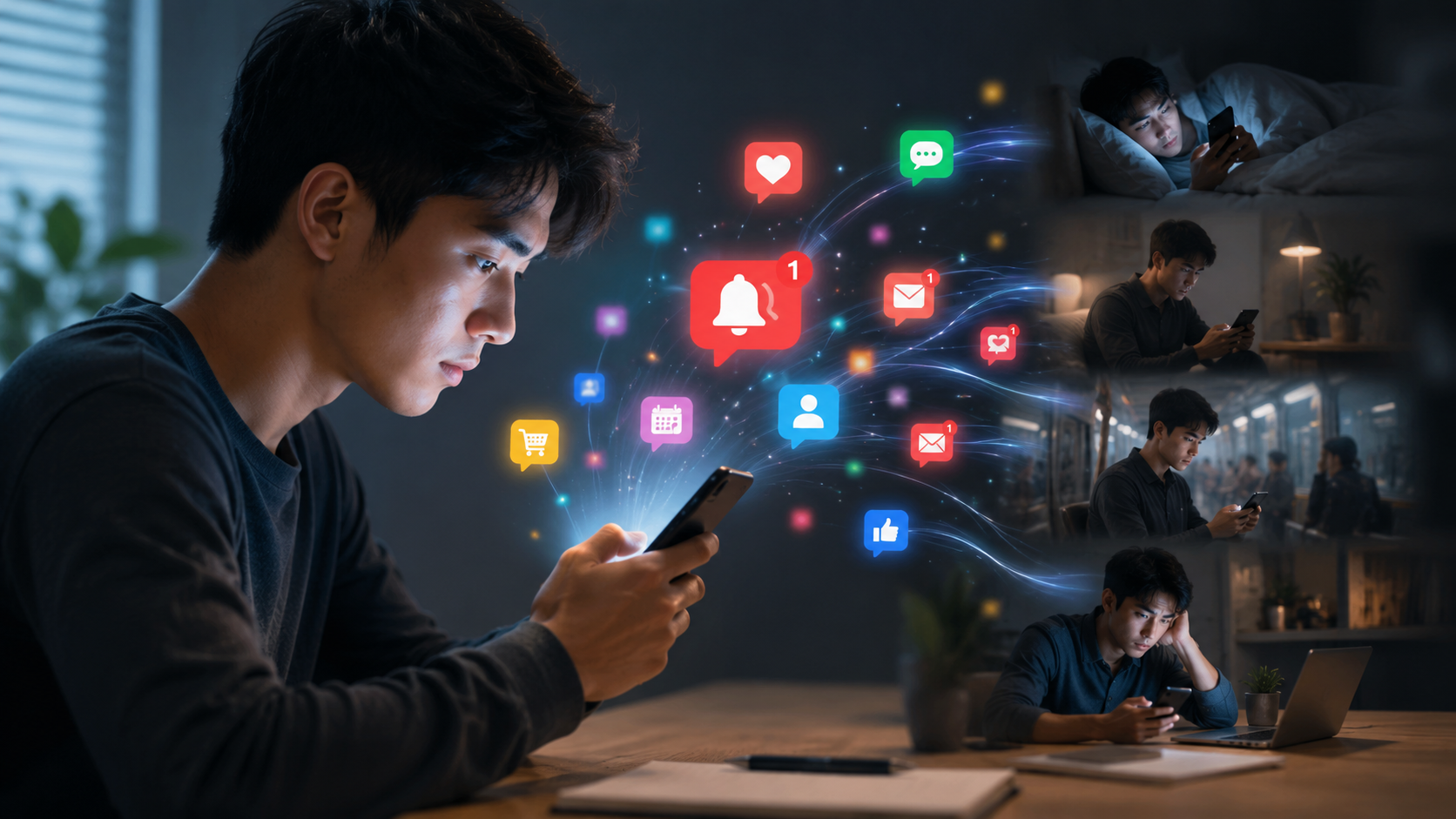
A notification during dinner, a work message late at night, or a social media update first thing in the morning can make it difficult to create clear boundaries between different parts of life. Even when nothing urgent is happening, the possibility of something happening can encourage people to check their devices repeatedly.
As a result, being connected does not always feel the same as being present.
When Convenience Comes With a Cost
There is no question that modern technology can save time. Navigation apps can eliminate the need for paper maps. Online services can reduce hours of paperwork. Digital communication allows people to maintain relationships across countries and continents.
The challenge is that convenience can sometimes encourage more technology use than necessary.
An app may make one task easier, but dozens of apps can create a constant stream of alerts, recommendations, advertisements, and information. The individual interactions may seem harmless, yet together they can consume a surprising amount of attention.
This has led some people to reconsider the idea that every technological improvement automatically makes life better.
Attention Has Become a Valuable Resource
One reason people are becoming more thoughtful about technology is a growing awareness of attention.
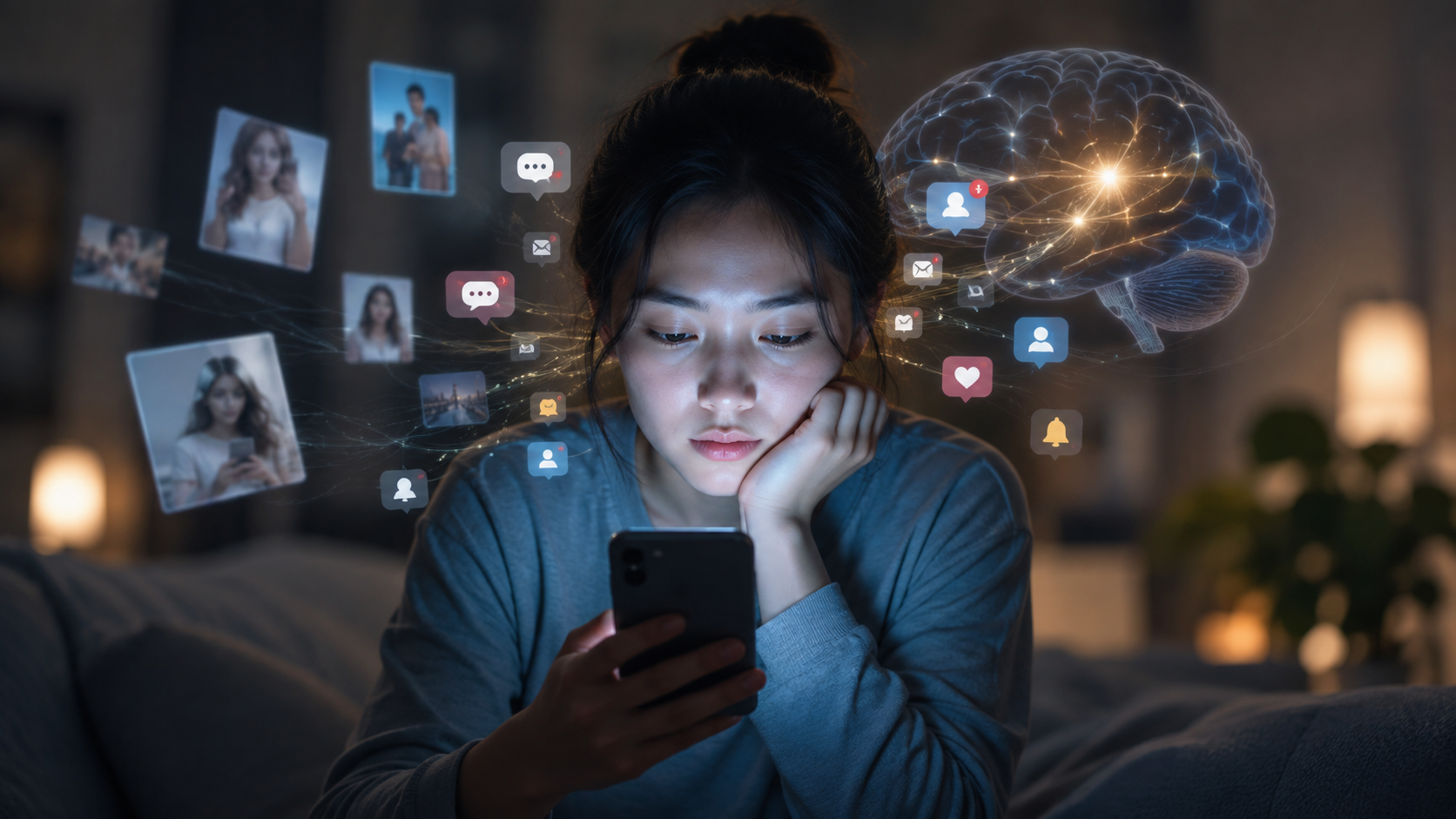
Time is limited, but attention is also limited. A person may technically have an hour available, yet that hour can feel very different depending on whether it is spent reading, having a conversation, working on a meaningful project, or repeatedly switching between apps.
Many digital platforms are designed to encourage continued engagement. Endless feeds, notifications, recommendations, and personalized content can make it easy to stay online longer than originally intended.
This does not necessarily mean technology is harmful. It means people are becoming more aware that their attention has value—and that they should have a say in where it goes.
The Rise of Digital Boundaries
Instead of abandoning technology altogether, many people are experimenting with boundaries.
Some turn off nonessential notifications. Others remove distracting apps from their phones or create periods during the day when devices are kept out of reach. Some people choose not to bring their phones to the dinner table, while others establish technology-free periods before going to sleep.
These changes may appear small, but they can change the relationship between a person and their devices.
The goal is not necessarily to use technology as little as possible. The goal is to make technology serve a person’s priorities instead of allowing every notification or digital habit to dictate attention.
Why Digital Minimalism Is Becoming More Appealing
This shift has also contributed to interest in digital minimalism.
Digital minimalism does not mean rejecting modern technology. Instead, it involves being more selective about which digital tools deserve a place in everyday life.
Someone following this approach might ask whether an app genuinely provides value before installing it. They might choose a simple device setup, limit social media use, or replace constant notifications with scheduled check-ins.
The underlying idea is simple: more technology is not always better technology.
A smaller number of carefully chosen tools can sometimes provide most of the benefits while creating fewer distractions.
People Are Rediscovering Offline Experiences
Another part of this shift is a renewed appreciation for activities that do not require screens.
Reading a physical book, taking a walk without checking a phone, cooking a meal, spending time with friends, or simply sitting quietly can feel surprisingly different when digital interruptions are removed.
These experiences are not necessarily anti-technology. They represent something broader: the recognition that some valuable parts of life do not need to be optimized, measured, shared, or turned into digital content.
For many people, disconnecting occasionally has become less about escaping technology and more about reconnecting with their surroundings.
Technology Is Still Essential
Despite these concerns, it would be unrealistic to suggest that people are simply turning away from technology.
Digital tools remain essential for work, education, communication, entertainment, healthcare, transportation, and countless other activities. For many people, smartphones and computers are not optional—they are fundamental parts of modern life.
That is why the emerging conversation is more nuanced than a simple argument between technology and no technology.
The real question is how technology should fit into our lives.
People can appreciate the convenience of digital tools while still questioning certain habits. They can use social media without allowing it to consume every spare moment. They can rely on smartphones without feeling obligated to check them constantly.
A More Intentional Relationship
Perhaps the biggest change is that people are beginning to think of technology as something that should be managed intentionally.
Instead of automatically accepting every new feature, app, and platform, users are asking what those tools actually contribute to their lives.
Does this notification need to be immediate?
Does this app make something meaningfully easier?
Is this service saving time, or simply creating another reason to spend time online?
Would turning it off make everyday life calmer?
These questions can lead to a healthier relationship with digital technology without requiring people to reject it.
The Future May Be Less About More Technology
For much of the digital era, progress was often associated with adding more: more devices, more connectivity, more features, more information, and more services.
The next stage may be different.
People may increasingly value technology that is quieter, simpler, and more purposeful. Instead of asking how many things a device can do, consumers may ask whether those features actually improve their lives.
That could influence everything from smartphone design and software to social media habits and workplace culture.
The future of technology may not be defined only by what machines can do. It may also be defined by what people decide they do not want machines to interrupt.
Finding a Balance
Technology itself is neither automatically good nor bad. Its impact depends greatly on how it is designed, used, and integrated into everyday life.
The growing desire for digital boundaries suggests that people are not necessarily becoming less interested in technology. They are becoming more selective about it.
After years of adapting their lives around increasingly connected devices, many people are now asking technology to adapt to them instead.
That shift could ultimately lead to a more balanced digital culture—one where technology remains powerful and useful, but where human attention, relationships, and offline experiences remain just as important.







Leave a Reply