
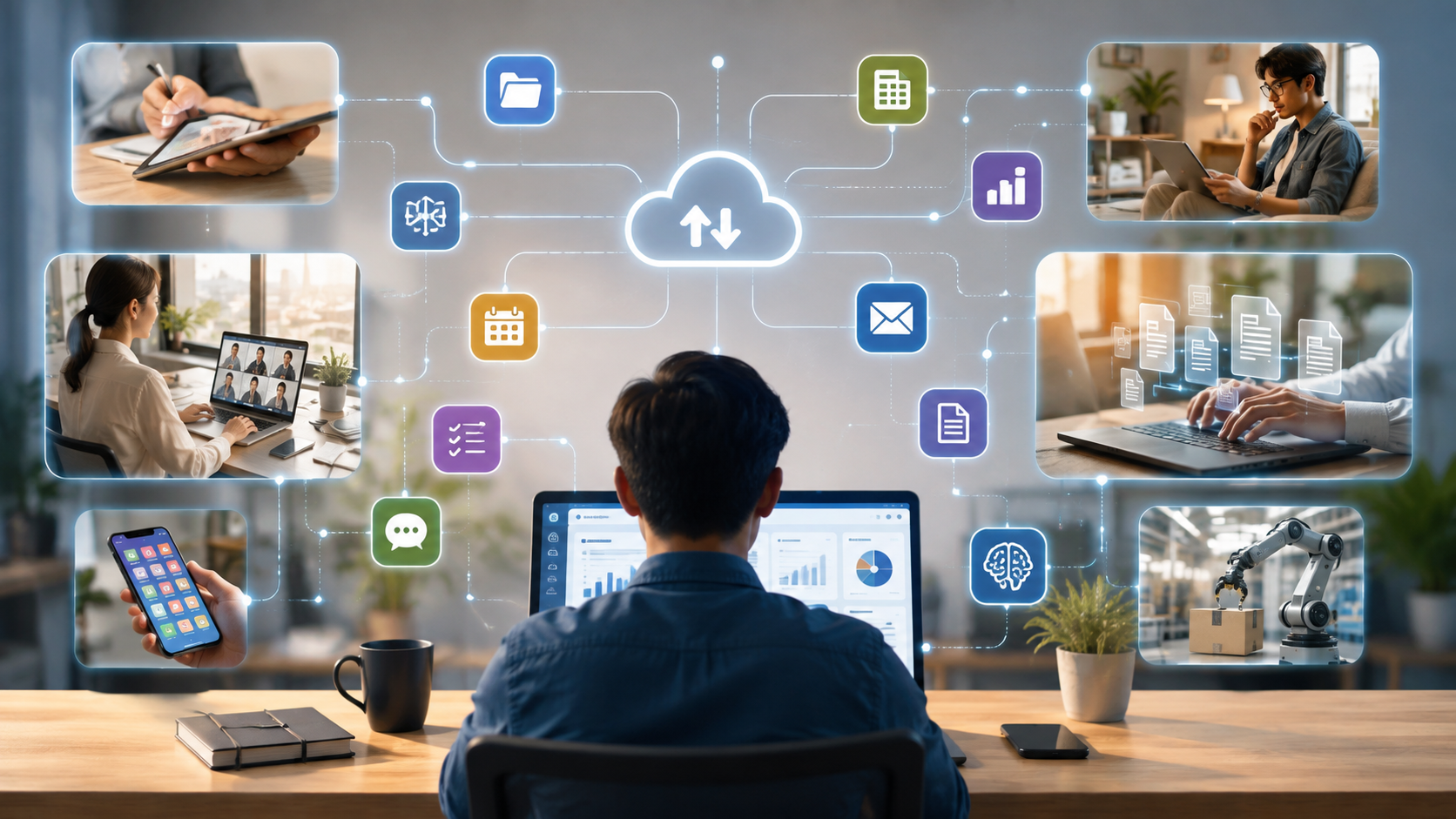
Digital tools have quietly transformed the way people work, communicate, organize their lives, and solve everyday problems. What once required a desk, a filing cabinet, a phone call, or several hours of manual effort can now often be completed with a few taps or clicks.
From cloud-based documents and project management platforms to artificial intelligence and automation, digital technology is changing not only what people do, but also how they approach getting things done.
The biggest shift may be that productivity is no longer tied to a specific place or traditional working schedule. People can collaborate from different cities, manage projects from smartphones, automate repetitive tasks, and access important information almost instantly.
Productivity Is Becoming More Flexible
One of the most noticeable changes is the ability to work from almost anywhere.
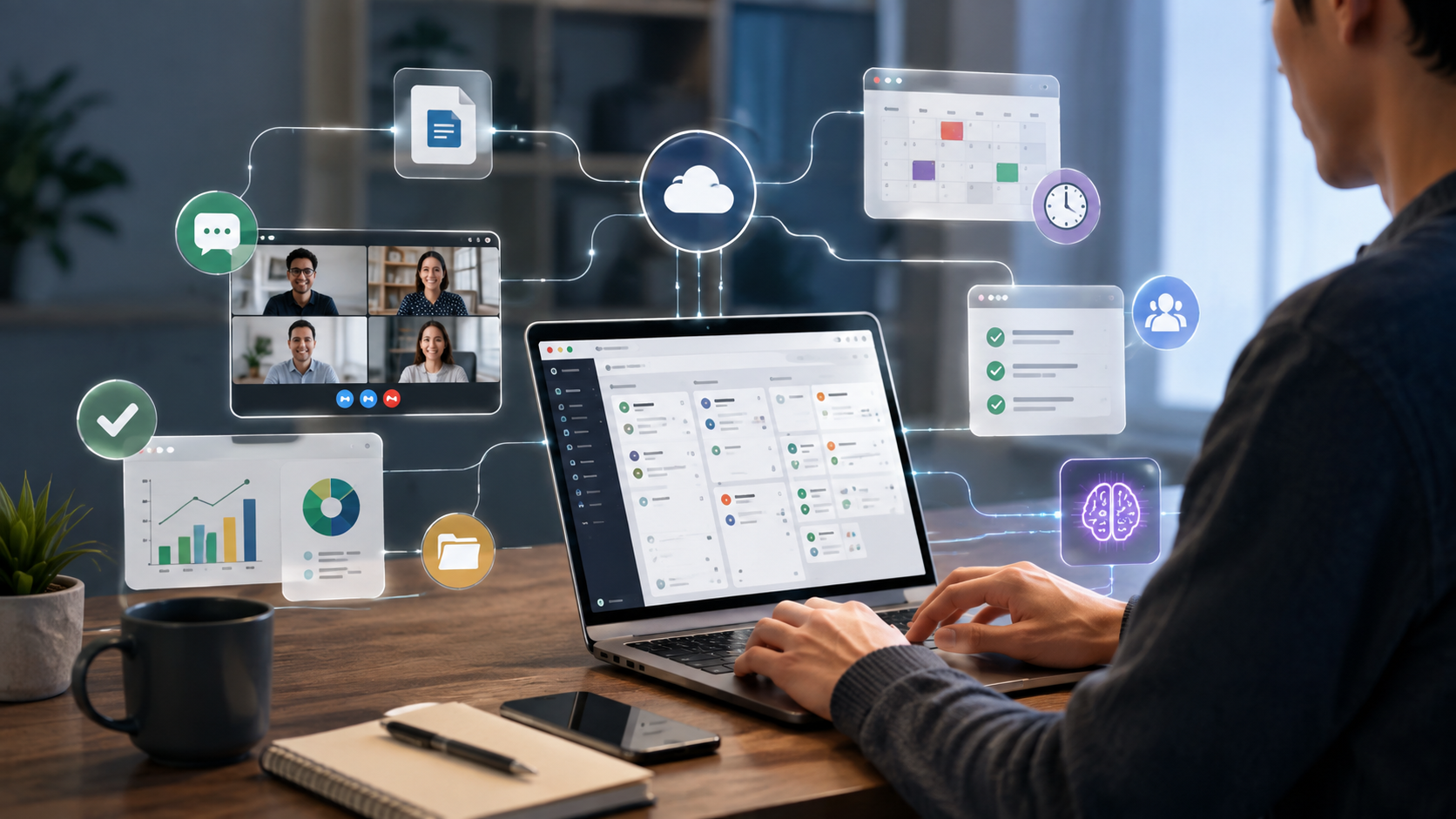
Cloud-based applications allow people to create documents, manage schedules, store files, and communicate with colleagues without being tied to a particular computer. A project can begin in an office, continue on a smartphone during a commute, and be reviewed at home later in the day.
This flexibility has changed expectations around productivity. Getting things done is increasingly about having access to the right information and tools rather than simply being physically present in a particular location.
For businesses, this can make collaboration easier. For individuals, it can make everyday responsibilities more manageable.
Automation Is Taking Over Repetitive Work
Many digital tools are designed to eliminate repetitive tasks.
Calendar applications can send reminders automatically. Email platforms can organize incoming messages. Financial apps can categorize transactions. Workflow systems can move information between different services without requiring someone to perform every step manually.
Artificial intelligence is pushing this trend even further.
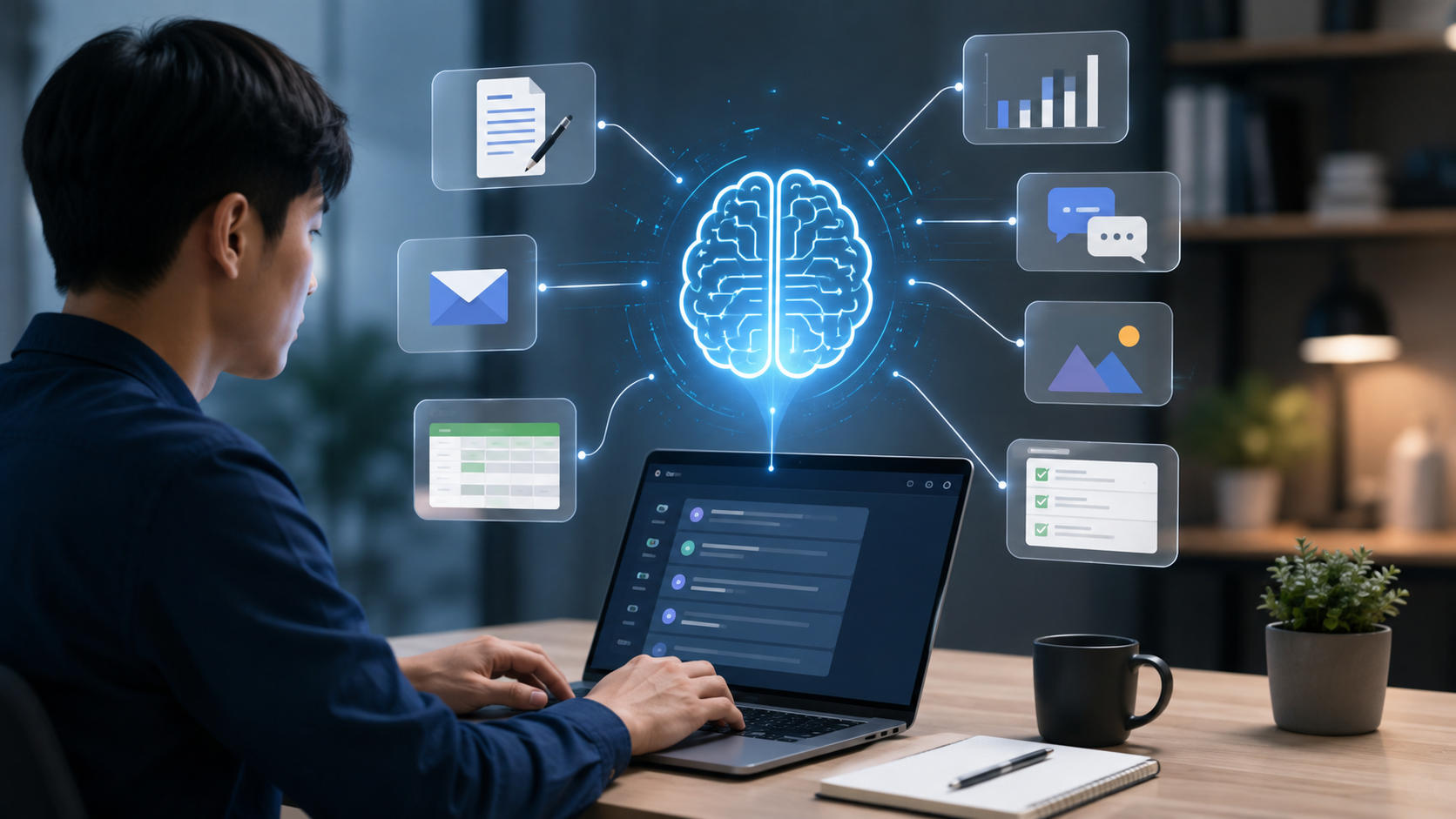
AI-powered tools can summarize documents, generate drafts, organize information, analyze data, and assist with routine decisions. Instead of spending time completing every small task manually, people can increasingly focus their attention on reviewing results and making important decisions.
That does not mean every task should be automated. Human judgment remains important, particularly when accuracy, creativity, or context matters. But automation can reduce the amount of time spent on low-value work.
Collaboration No Longer Requires Everyone to Be Together
Digital communication has also changed the meaning of teamwork.
Teams can now collaborate through shared documents, messaging platforms, video calls, digital whiteboards, and project management systems. Someone can edit a document while another person reviews it from another country.
This has created new possibilities for remote and distributed teams. It has also changed how information moves through organizations.
Instead of relying entirely on meetings or long email chains, teams can leave comments, track changes, assign tasks, and maintain shared project information in one digital environment.
The result can be faster collaboration, although it also creates a new challenge: people can easily end up managing too many digital conversations at once.
Information Is Easier to Access
Digital tools have dramatically reduced the effort required to find information.
Search engines, online databases, digital libraries, cloud storage, and AI assistants can help people locate answers within seconds. This means productivity increasingly depends on knowing how to find and evaluate information, rather than simply remembering it.
The challenge is that easy access does not automatically mean reliable information.
People still need to determine whether a source is trustworthy, whether information is current, and whether an answer actually applies to their situation. As digital tools become more powerful, information literacy becomes an increasingly important productivity skill.
Smartphones Have Become Productivity Devices
The smartphone has evolved far beyond its original role as a communication device.
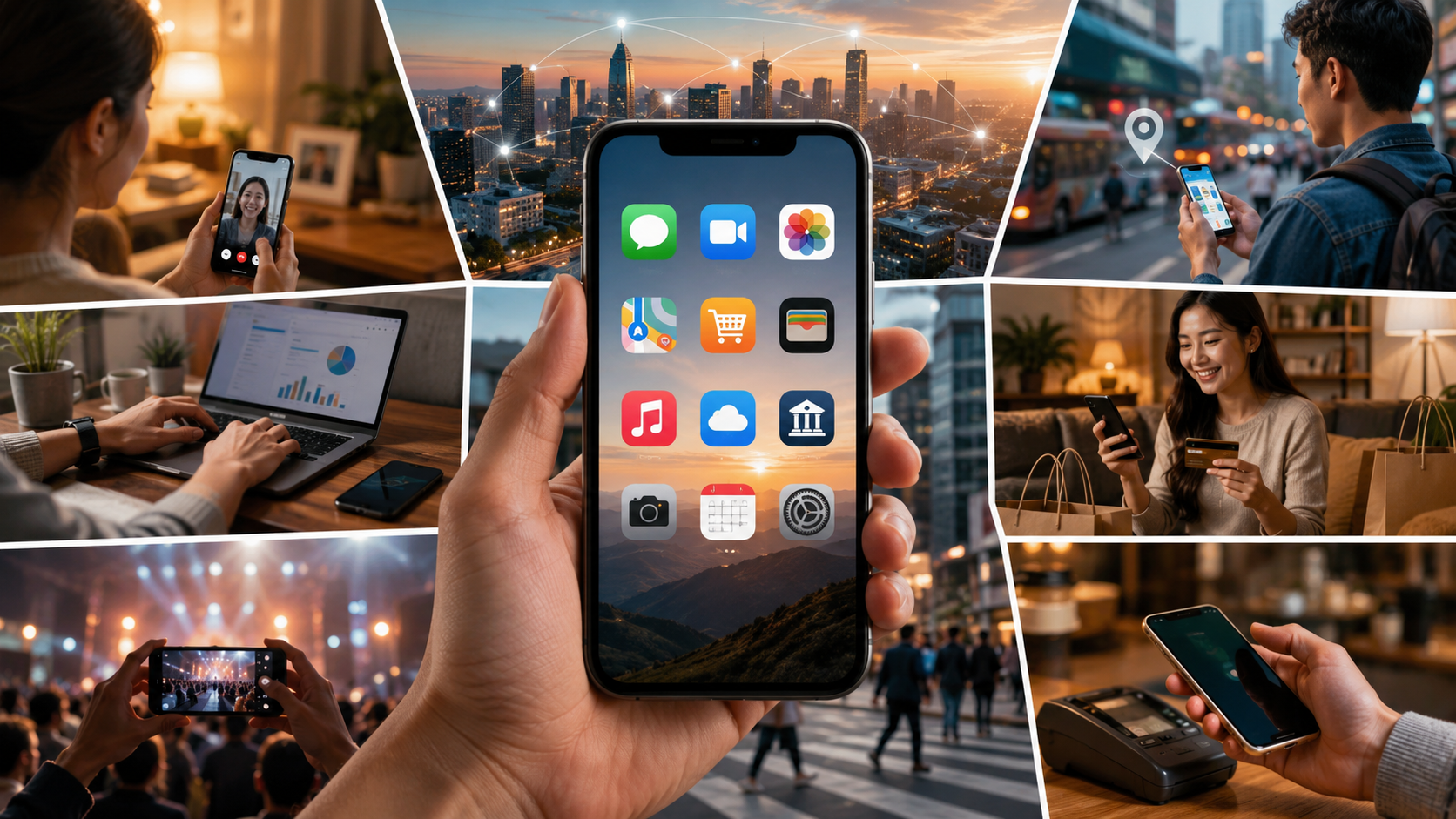
A modern phone can function as a calendar, camera, navigation system, payment device, note-taking tool, document scanner, communication hub, and gateway to countless online services.
This makes productivity more portable than ever.
People can capture an idea while walking, respond to an urgent message while traveling, check a schedule before a meeting, or review a document without opening a laptop.
However, the same convenience can make it harder to disconnect. A device that helps people accomplish more can also create constant interruptions.
Digital Tools Can Reduce Friction
One of the most important benefits of technology is its ability to reduce friction.
Consider everyday activities such as paying bills, booking appointments, sharing files, planning travel, or managing personal finances. Many of these tasks once required multiple steps or physical paperwork. Digital services have compressed them into much simpler processes.
This matters because small amounts of friction can accumulate throughout the day.
When routine tasks become easier, people have more time and mental energy available for activities that require deeper attention.
But More Tools Do Not Always Mean More Productivity
There is a downside to the growing number of digital tools.
People can end up using multiple messaging apps, task managers, calendars, cloud storage platforms, note-taking applications, and collaboration systems simultaneously. Instead of simplifying work, these tools can create another layer of work.
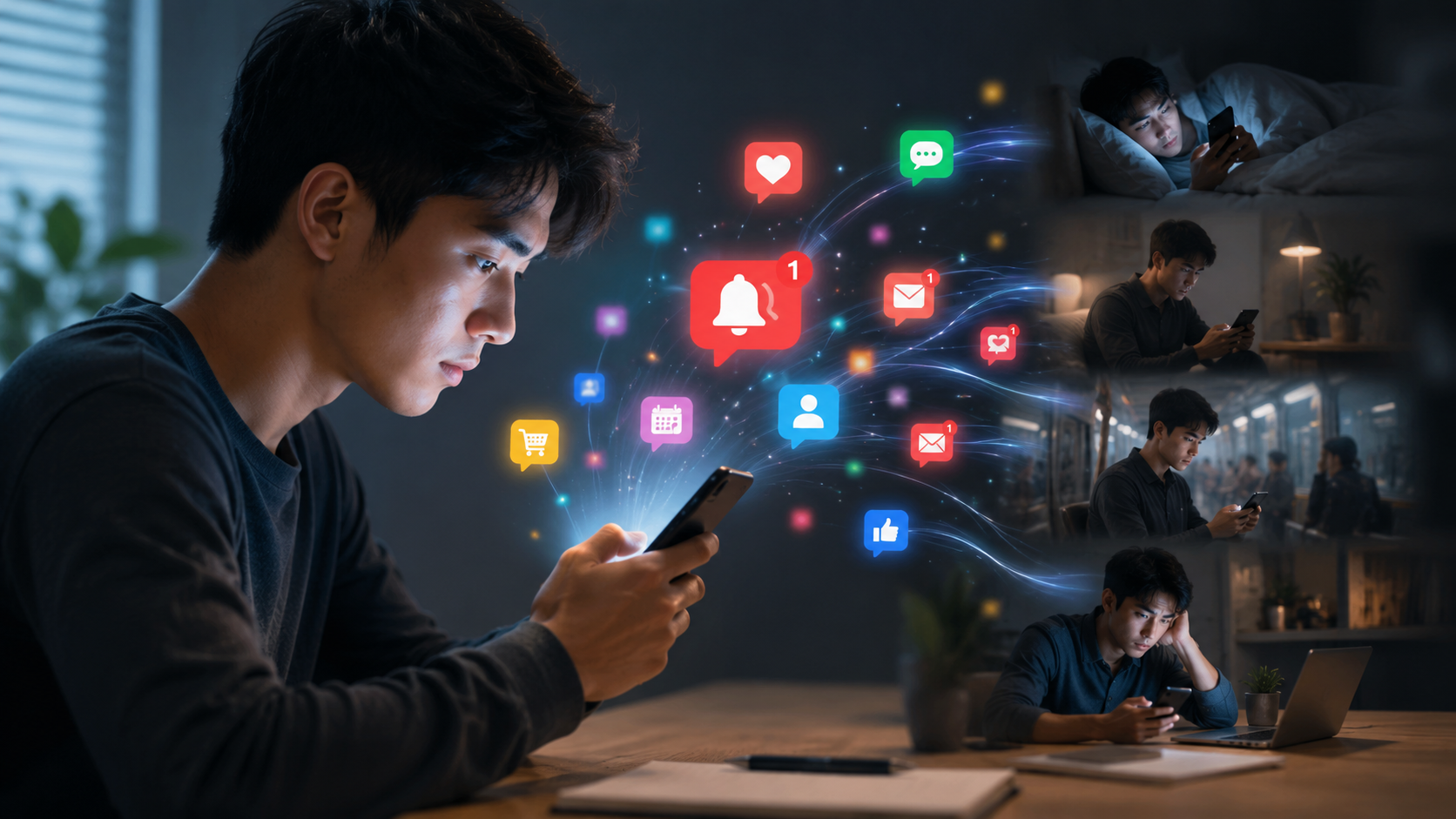
Notifications are another major source of distraction.
A message arriving every few minutes can interrupt concentration, even when each interruption seems insignificant. Returning attention to a difficult task can take much longer than simply reading the notification.
This is why effective digital productivity is not necessarily about using more technology. It is often about using fewer tools more intentionally.
AI Could Change the Definition of Productivity
Artificial intelligence may represent the next major shift in how people get things done.
Traditional software generally required users to learn specific commands, menus, and workflows. AI systems can increasingly respond to natural language, allowing people to describe what they want instead of figuring out exactly which functions to use.
This could make complex digital tasks accessible to more people.
AI may also change the role of workers. Instead of manually producing every piece of content or analyzing every piece of information, people may increasingly guide AI systems, verify their output, and make decisions based on the results.
The most valuable skill may therefore become the ability to ask good questions, provide useful context, and recognize when an AI-generated result needs correction.
The Human Side of Digital Productivity
Despite all these technological changes, productivity remains fundamentally human.
Digital tools can organize information and automate processes, but they cannot always determine what deserves attention. People still need to set priorities, make decisions, communicate clearly, and understand when technology is helping or getting in the way.
A sophisticated productivity system is not useful if it creates unnecessary complexity.
The best digital tools often disappear into the background. They make a task easier without demanding constant attention.
A More Intentional Digital Future
The future of productivity will probably not be defined simply by having access to more technology.
Instead, it may depend on choosing the right technology for the right purpose.
People will continue to benefit from automation, cloud computing, mobile applications, and artificial intelligence. At the same time, they will need to develop better habits around notifications, digital organization, information quality, and focused work.
The goal is not to make every moment more digitally connected.
It is to make technology work quietly in the background so people can spend more time on the things that actually matter.
Digital tools are changing how people get things done, but the most meaningful change may be this: productivity is becoming less about doing everything faster and more about deciding what is worth doing in the first place.







Leave a Reply