

Technology has become deeply woven into everyday life. We use smartphones to communicate, computers to work, apps to manage our schedules, and digital platforms to entertain ourselves. For many people, being connected is no longer something they consciously choose. It is simply the default.
But that relationship is beginning to change.
As digital tools become more powerful and more present in our daily routines, people are increasingly asking a simple question: Is technology improving the way we live, or are we adapting our lives around technology?
This question is driving a broader reconsideration of how people use their devices, consume digital content, and define their relationship with the online world.
The Convenience Comes With a Cost
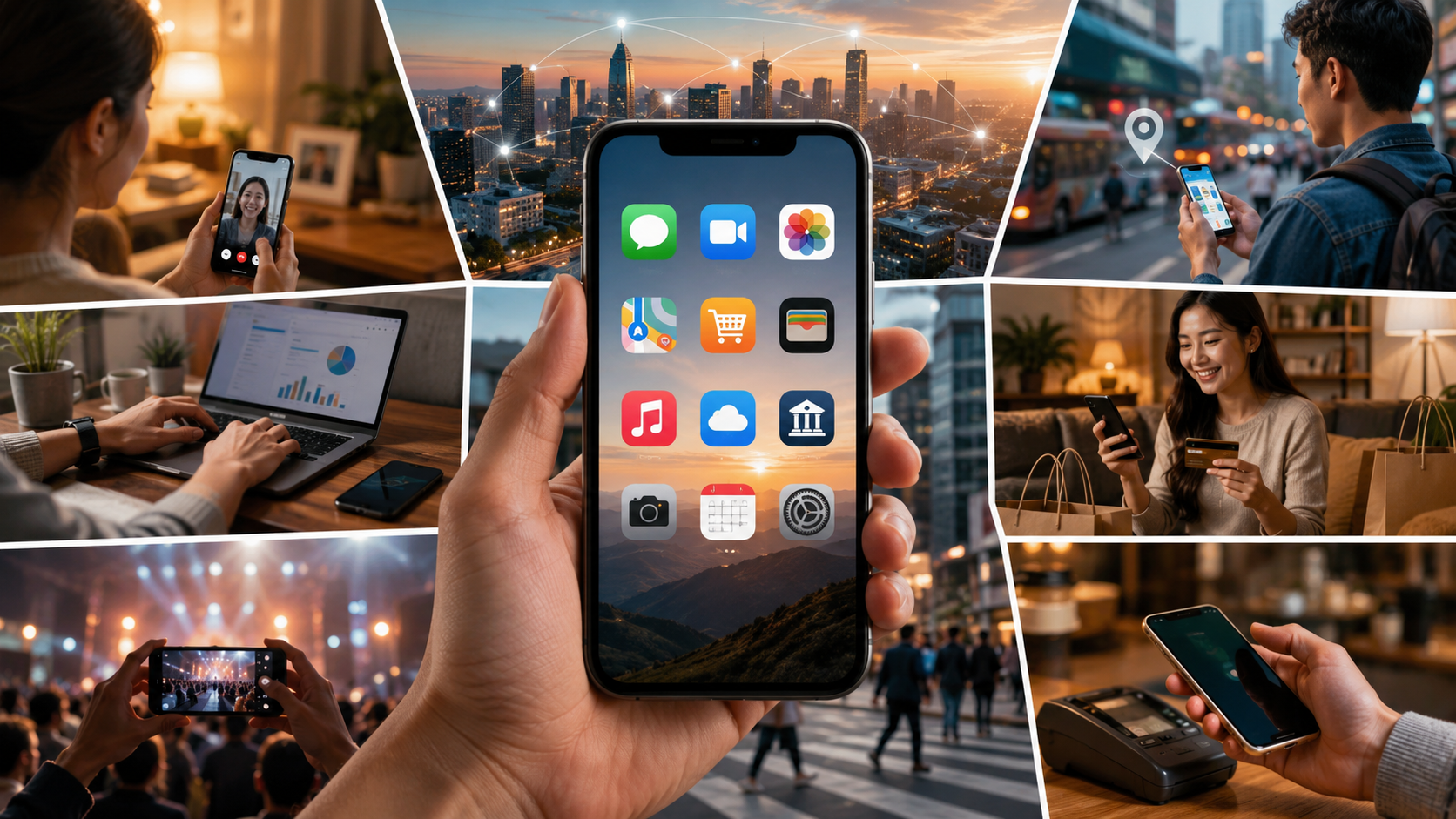
There is no question that technology has made many aspects of life easier. A smartphone can replace a camera, map, calendar, music player, television remote, and even a wallet. Online services allow people to work, shop, learn, and communicate without leaving home.
Yet convenience can create new problems.
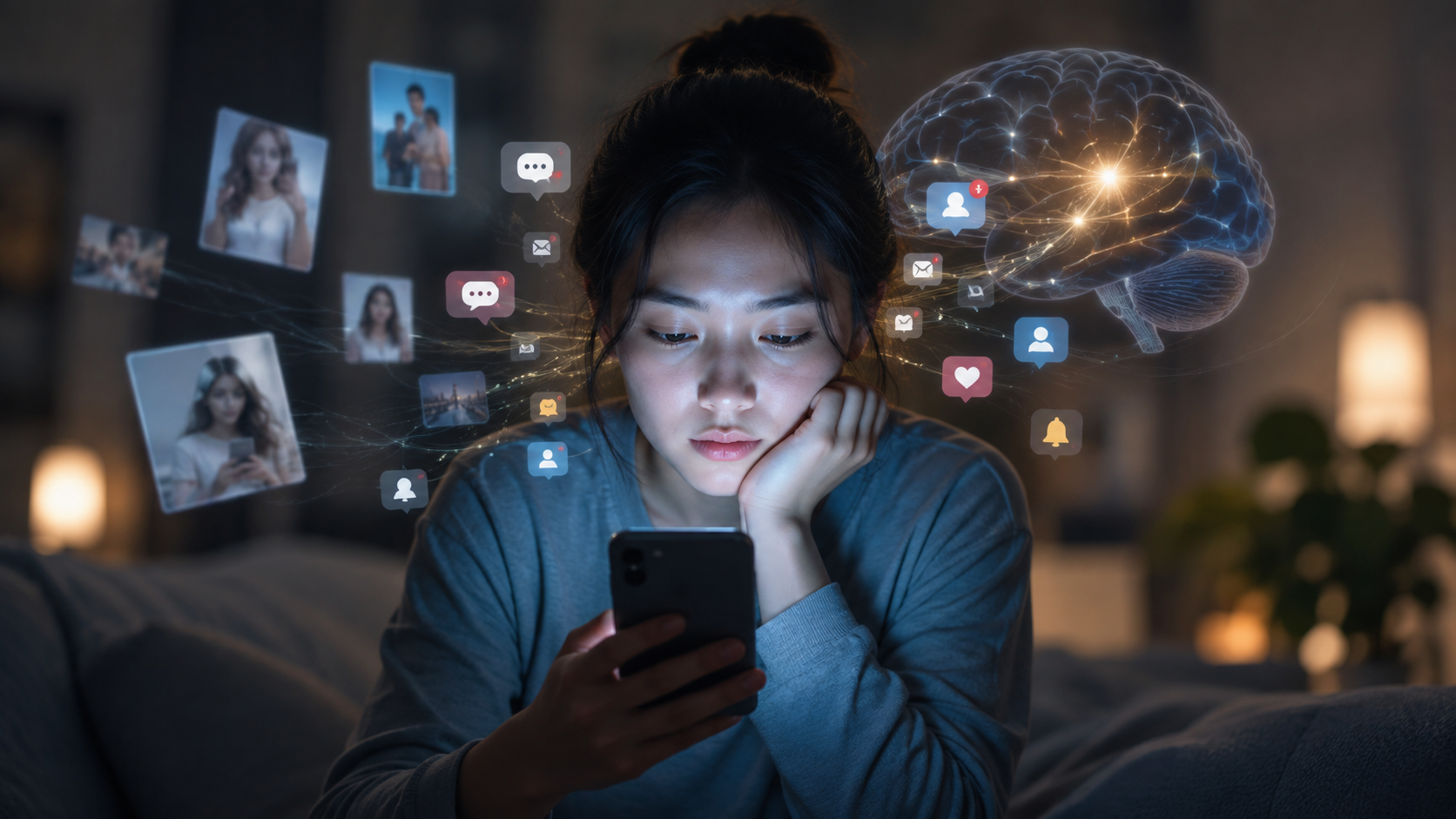
Constant notifications can interrupt concentration. Social media can turn idle moments into hours of scrolling. The expectation of being reachable can make it difficult to fully disconnect from work or social obligations.
The problem is not necessarily technology itself. It is the way technology can occupy more of our attention than we originally intended.
People Are Becoming More Conscious of Screen Time
For years, screen time was often treated simply as a measure of how much time someone spent looking at a device. Today, the conversation is becoming more nuanced.
People are asking what they actually do with that time.
An hour spent learning a new skill is different from an hour spent endlessly scrolling through short videos. A video call with a close friend serves a different purpose from constantly checking notifications.
This shift has encouraged people to think less about eliminating technology and more about using it intentionally.
Instead of asking, “How can I spend less time online?” some people are asking, “Which digital activities genuinely add value to my life?”
The Desire for Digital Boundaries Is Growing
One of the clearest signs of this change is the growing interest in digital boundaries.
People are experimenting with simple habits such as turning off unnecessary notifications, keeping phones away during meals, avoiding screens before bed, or creating periods during the day when they deliberately stay offline.
These habits may seem small, but they can change the psychological relationship people have with their devices.
When a phone is constantly within reach, checking it can become automatic. Creating physical or time-based distance makes it easier to decide when technology deserves attention and when it does not.
The Smartphone Is No Longer Just a Tool
The modern smartphone is unusual because it combines utility with entertainment, communication, social validation, news, shopping, and countless other experiences.
That makes it difficult to treat the device like an ordinary tool.
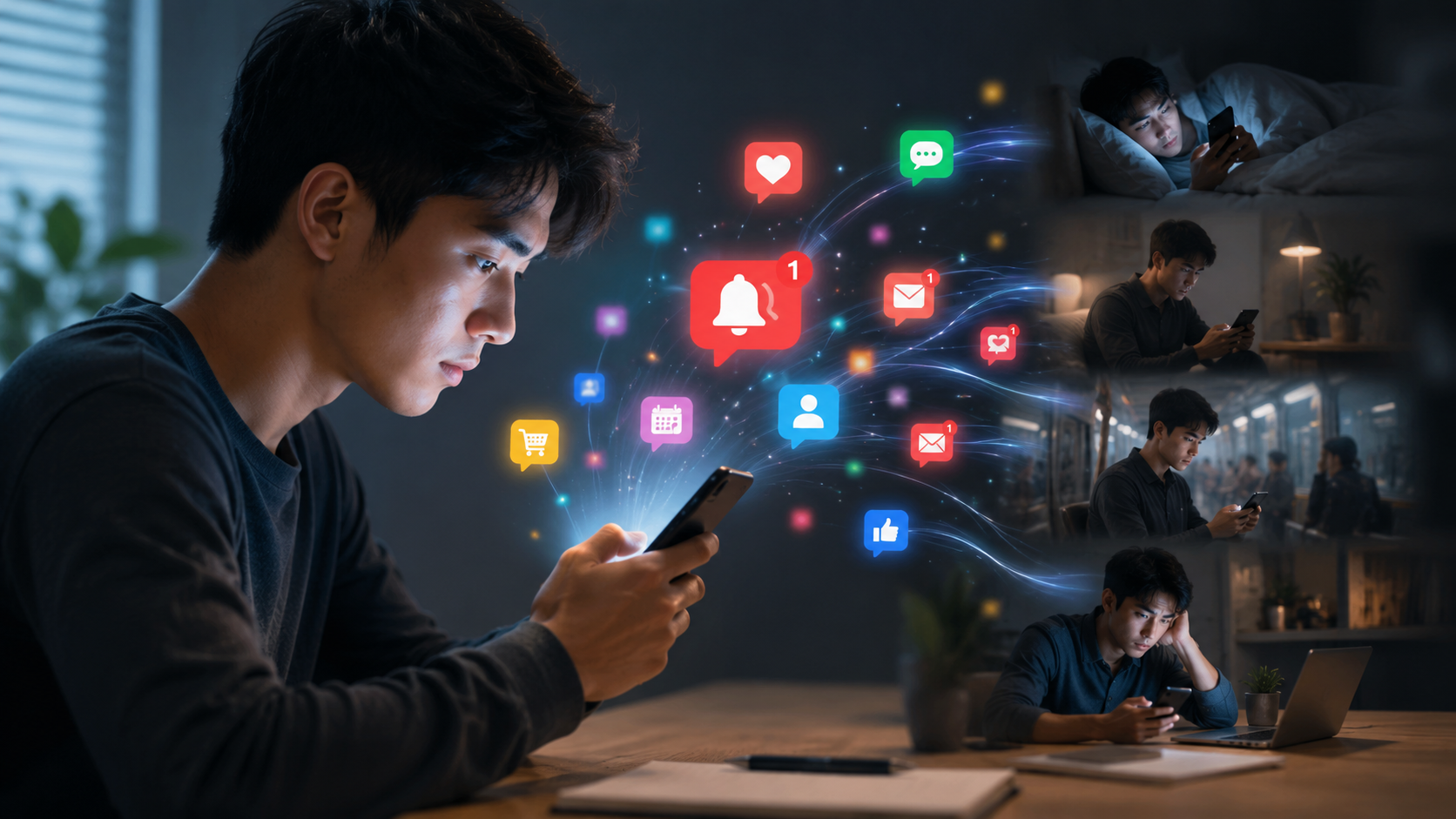
A hammer is used when someone needs to drive a nail. A smartphone, by contrast, can be picked up without a specific purpose. A person may check one message and suddenly find themselves watching videos, reading news, browsing social media, and responding to notifications.
This makes intentional use more difficult.
As people become aware of this pattern, some are trying to make their phones less distracting. They may remove certain apps, simplify their home screens, use focus modes, or return to devices that perform fewer functions.
Digital Minimalism Is Becoming More Appealing
The growing interest in digital minimalism reflects this broader change.
Digital minimalism does not necessarily mean abandoning technology. Instead, it focuses on keeping digital tools that provide meaningful benefits while reducing those that consume attention without offering much value.
For some people, this might mean deleting several social media apps. For others, it could mean using a separate device for work, keeping notifications limited, or setting specific times for checking messages.
The goal is not to reject modern life. It is to regain a sense of control over it.
People Are Rediscovering the Value of Being Offline
Another reason people are rethinking technology is that offline experiences can feel increasingly valuable in an always-connected world.
Reading a physical book, taking a walk without a phone, having a conversation without checking notifications, or simply sitting quietly can feel different when digital stimulation is no longer present.
These moments create something that technology often struggles to provide: uninterrupted attention.
The growing appeal of offline activities does not necessarily indicate that people dislike technology. Instead, it may show that people are looking for balance.
The Future May Be About Better Technology, Not Less Technology
The answer may not be to use technology as little as possible.
Technology continues to provide enormous benefits, from improving communication to expanding access to information and enabling new forms of creativity. Artificial intelligence, automation, and other emerging tools may make digital technology even more useful in the years ahead.
The challenge will be deciding which technologies deserve a place in everyday life.
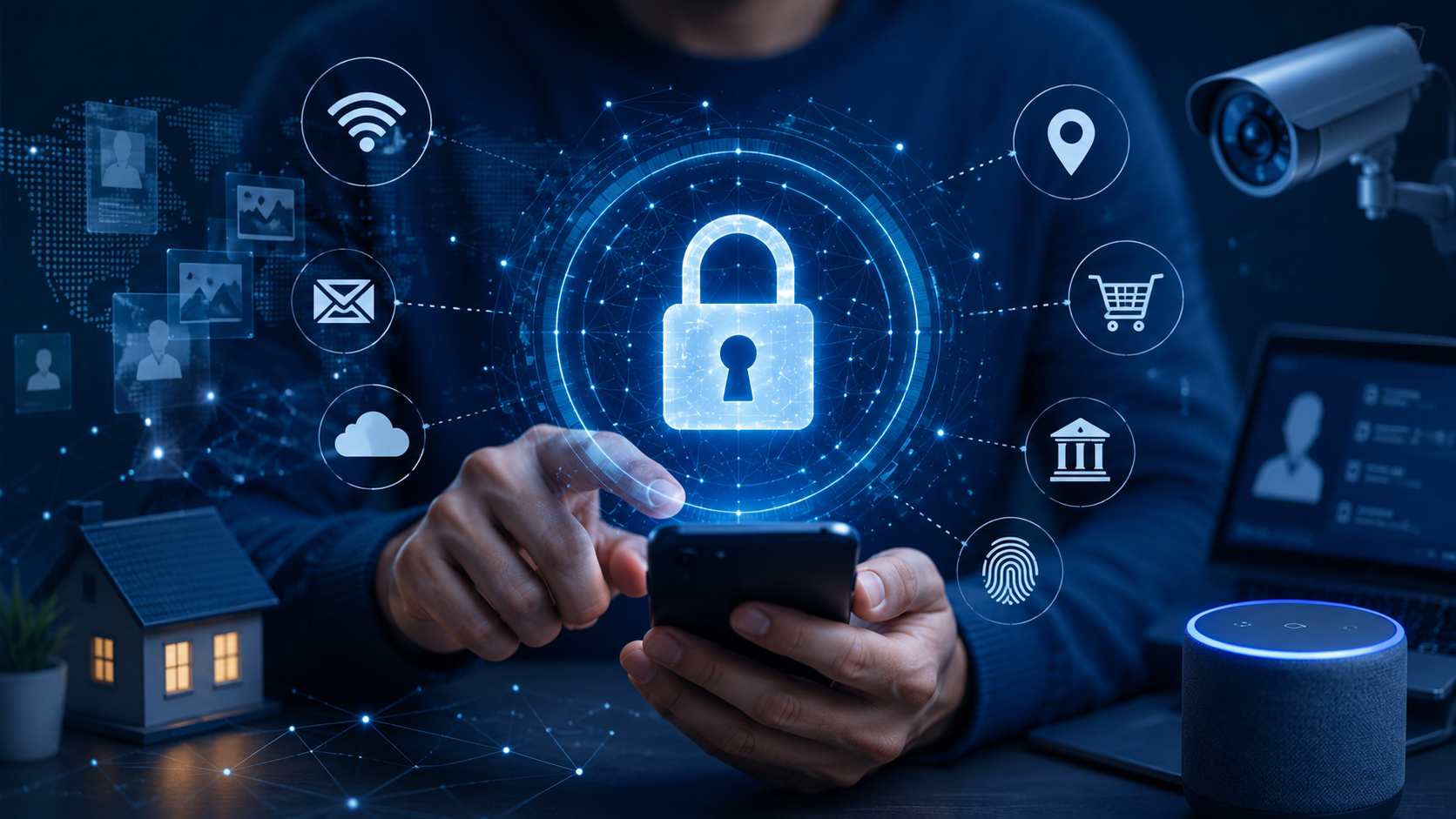
People may increasingly expect digital products to respect their attention rather than compete aggressively for it. Features such as quieter notifications, better privacy controls, healthier defaults, and more transparent design could become increasingly important.
In this sense, the future relationship between people and technology may be less about rejecting digital tools and more about demanding better ones.
A More Intentional Relationship With Technology
Technology is unlikely to disappear from modern life. Nor should it.
The more realistic goal is to develop a healthier and more intentional relationship with it.
People are beginning to recognize that every notification, app, and digital service has the potential to influence how they spend their limited attention. Once that becomes clear, technology stops being something that simply happens to them and becomes something they can actively manage.
The most important question may therefore not be whether technology is good or bad.
It may be whether we are using it on our own terms.
As digital technology becomes increasingly powerful, that distinction could become one of the defining challenges of modern life. The future may belong not to people who use the most technology, but to those who understand when technology genuinely makes their lives better—and when it is time to put the device down.







Leave a Reply