
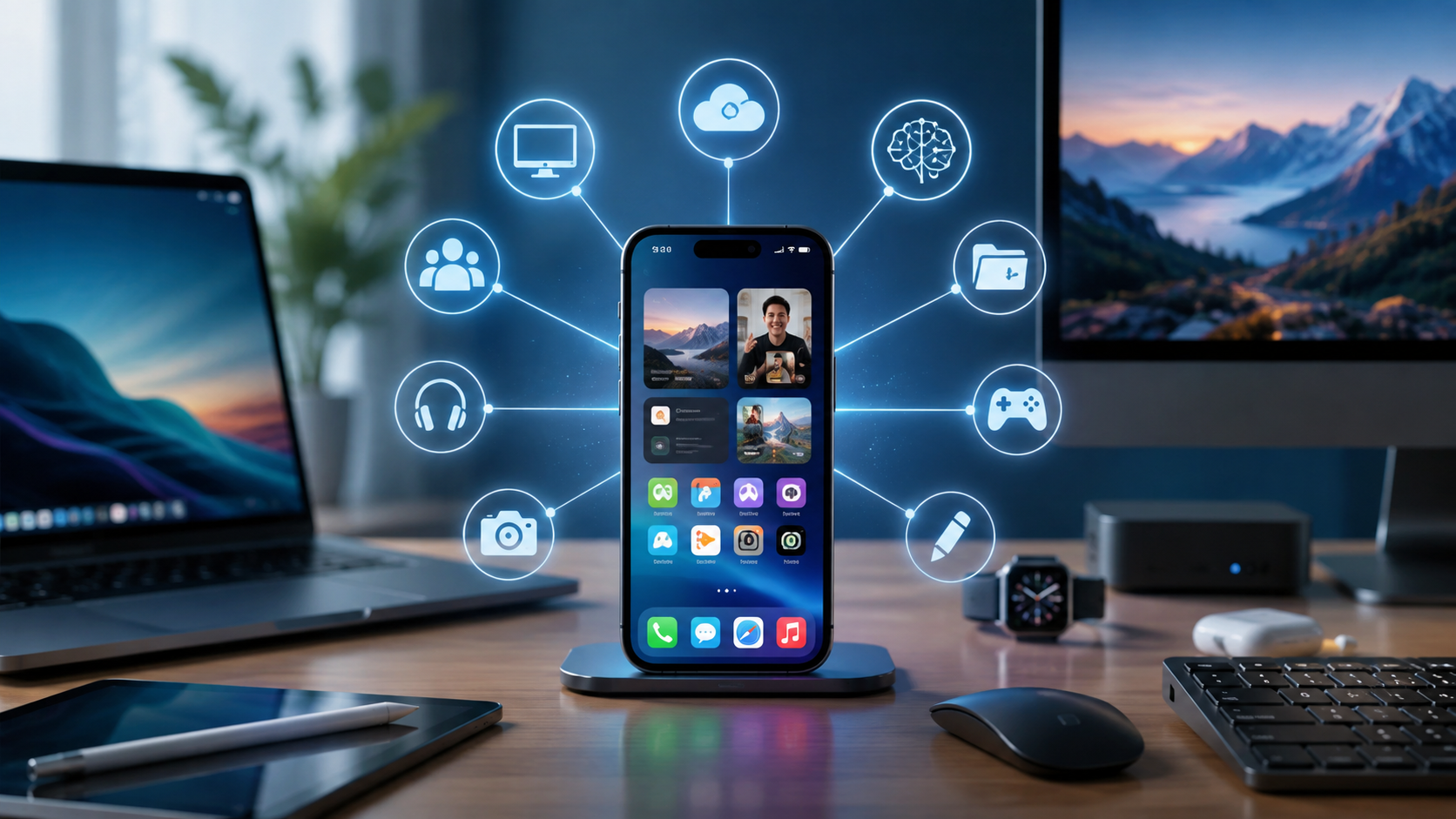
Smartphones were once designed mainly for communication. They helped people make calls, send messages, take photos, and browse the internet from almost anywhere. Today, that definition feels increasingly outdated.
Modern smartphones are becoming more like personal computers, combining powerful processors, large amounts of storage, advanced software, artificial intelligence, and multitasking capabilities in devices that fit comfortably in a pocket.
The shift is changing not only what smartphones can do, but also how people work, create, communicate, and manage everyday tasks.
Smartphones Are Getting More Powerful
One of the biggest reasons smartphones are becoming more computer-like is the rapid improvement in mobile hardware.
Today’s high-end phones can contain processors capable of handling demanding applications, high-resolution video, sophisticated games, image processing, and artificial intelligence workloads. Mobile chips have also become more energy-efficient, allowing manufacturers to offer greater performance without dramatically increasing battery consumption.
This means the difference between a smartphone and a traditional computer is no longer simply about processing power.
For many everyday tasks, a modern phone already has more than enough performance.
Multitasking Is Becoming the Norm
Personal computers have traditionally had an advantage when it comes to multitasking. Users can open several applications, move information between them, and work across multiple windows.
Smartphones are gradually adopting similar capabilities.
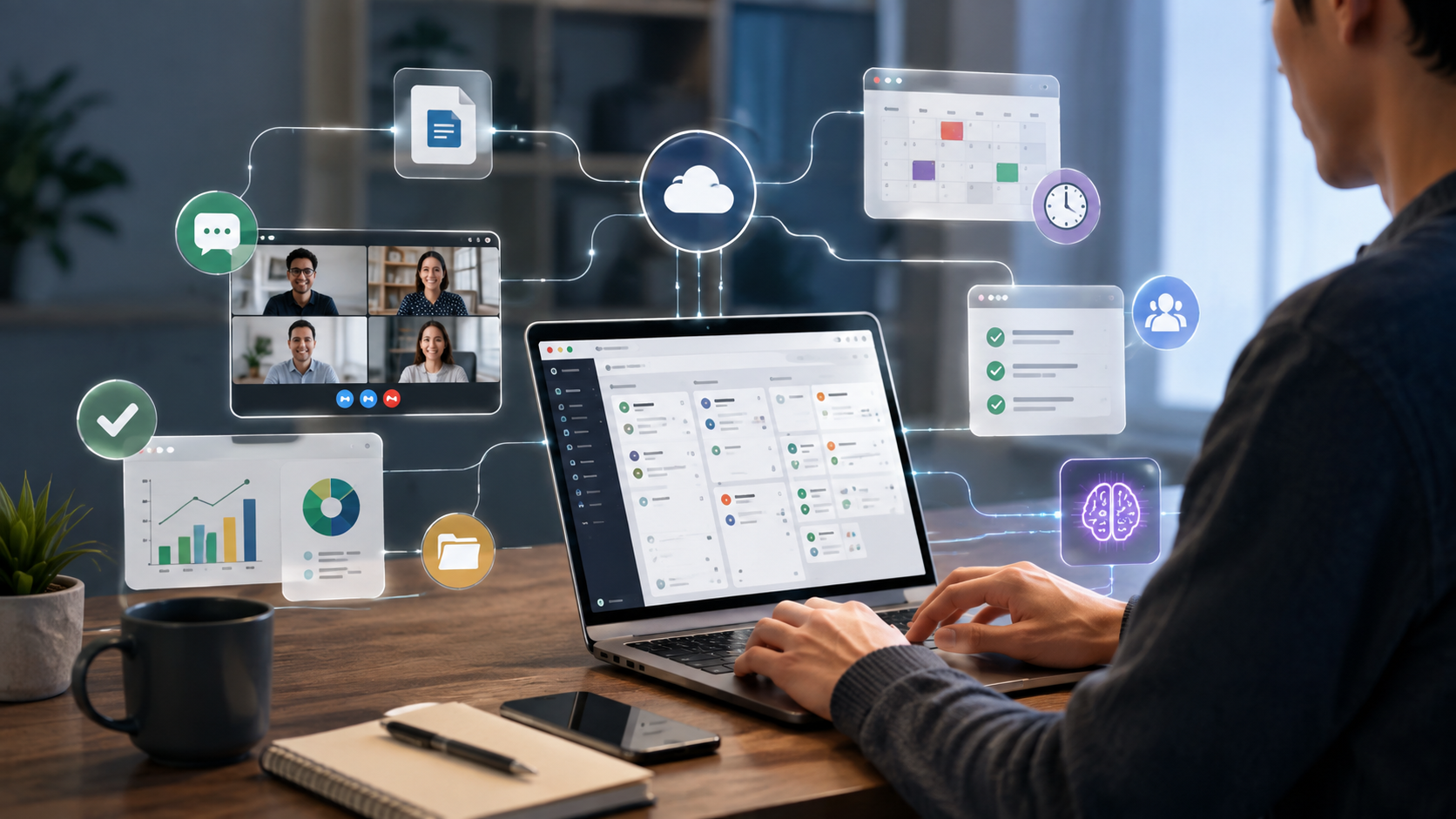
Split-screen modes, floating windows, app switching, external displays, and improved operating systems allow users to perform several tasks at once. Someone might respond to messages while checking a document, monitor a video call while taking notes, or browse information while writing an email.
These features make a smartphone feel less like a communication device and more like a compact workstation.
Cloud Services Have Changed What a Phone Can Do
Another important factor is the growth of cloud computing.
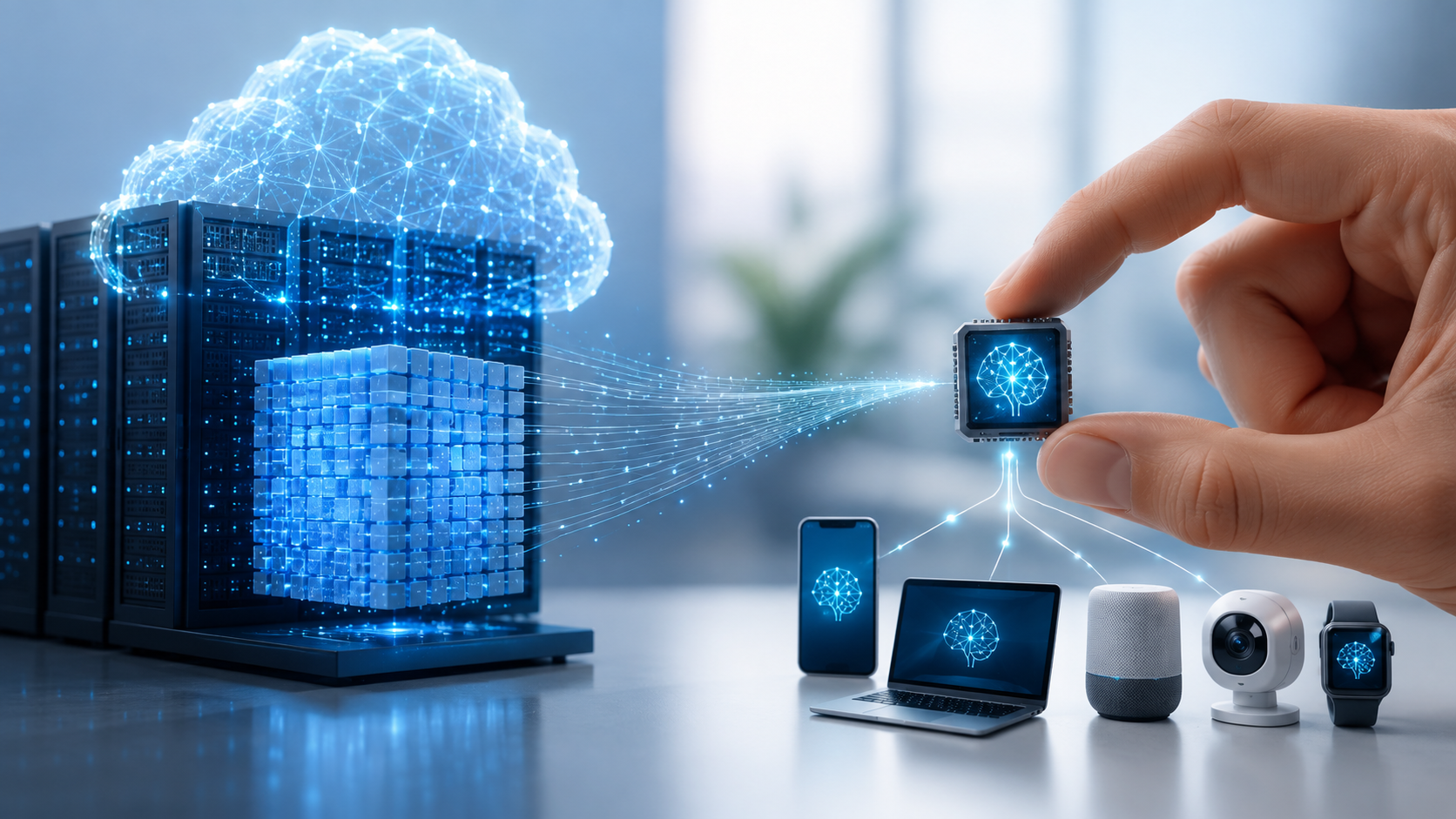
A smartphone does not need to store every file or perform every calculation locally. Cloud services allow users to access documents, photos, applications, databases, and other digital resources from almost anywhere.
This has made smartphones much more useful as primary computing devices.
A person can start editing a document on a computer, continue working on a smartphone while traveling, and finish the task on another device later. The device becomes a window into a larger digital environment rather than an isolated piece of hardware.
Artificial Intelligence Is Expanding the Role of Smartphones
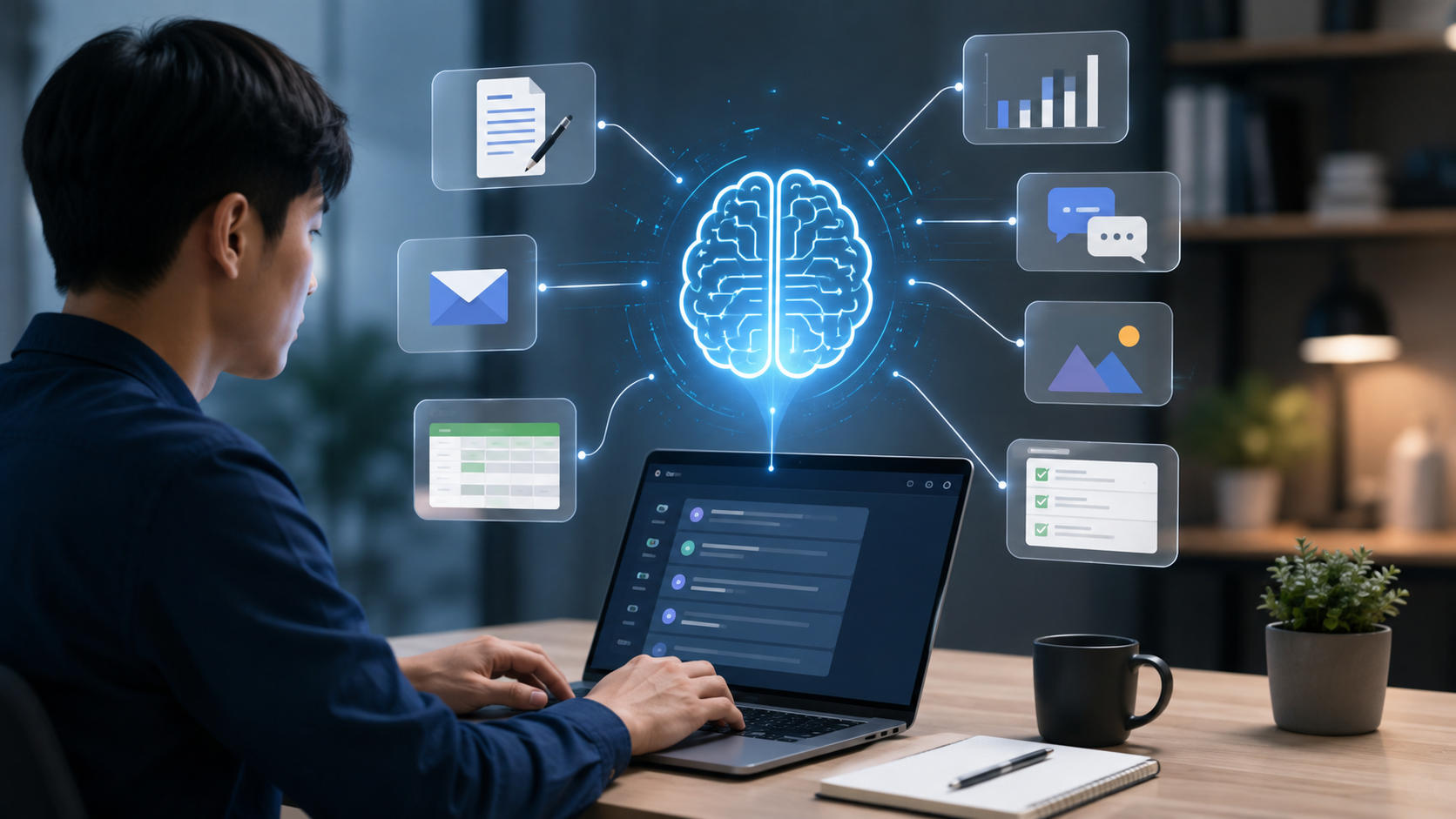
Artificial intelligence is also pushing smartphones closer to the role traditionally associated with computers.
Modern phones can use AI for photography, translation, voice recognition, writing assistance, search, image editing, personalization, and other tasks. Some AI functions can operate directly on the device, while more demanding workloads can be handled through cloud-based systems.
This changes the smartphone from a passive tool into something that can actively assist with tasks.
Instead of simply opening an application and doing everything manually, users can increasingly ask their devices to summarize information, organize content, edit images, or help complete routine activities.
Smartphones Are Becoming Creative Tools
The modern smartphone is also increasingly capable of replacing specialized equipment.
Its camera can capture high-quality photographs and video. Editing applications can transform that content directly on the device. Music apps allow users to record and produce audio, while design and illustration tools make it possible to create visual content without a traditional desktop computer.
For content creators, freelancers, students, and small business owners, this can be particularly useful.
A person can record a video, edit it, create a thumbnail, write a description, and publish the finished product using a single device.
Accessories Are Making Phones More Computer-Like
Smartphones themselves are only part of the story.
Wireless keyboards, mice, monitors, storage devices, docking accessories, and other peripherals can expand what a phone is capable of doing. Some smartphones can even connect to larger displays and provide a desktop-style interface.
This creates an interesting possibility: the smartphone can serve as the central computing device while other hardware becomes an extension of it.
Instead of maintaining separate devices for every task, users may increasingly rely on one powerful mobile device that adapts to different situations.
Why This Matters for Everyday Users
The shift toward computer-like smartphones could make technology more convenient.
People may not need to carry a laptop for short work sessions or routine tasks. Travelers can manage documents, communicate with colleagues, edit photos, attend meetings, and access important files from a single device.
For many users, the smartphone is already the most frequently used computing device they own.
However, this does not mean traditional computers are disappearing.
Laptops and desktops still offer advantages for tasks that require large screens, precise input, extensive multitasking, specialized software, or long periods of focused work.
Instead, smartphones and computers are becoming more similar while continuing to serve different situations.
The Smartphone as a Personal Computing Hub
Perhaps the biggest change is that the smartphone is evolving into the center of a person’s digital life.
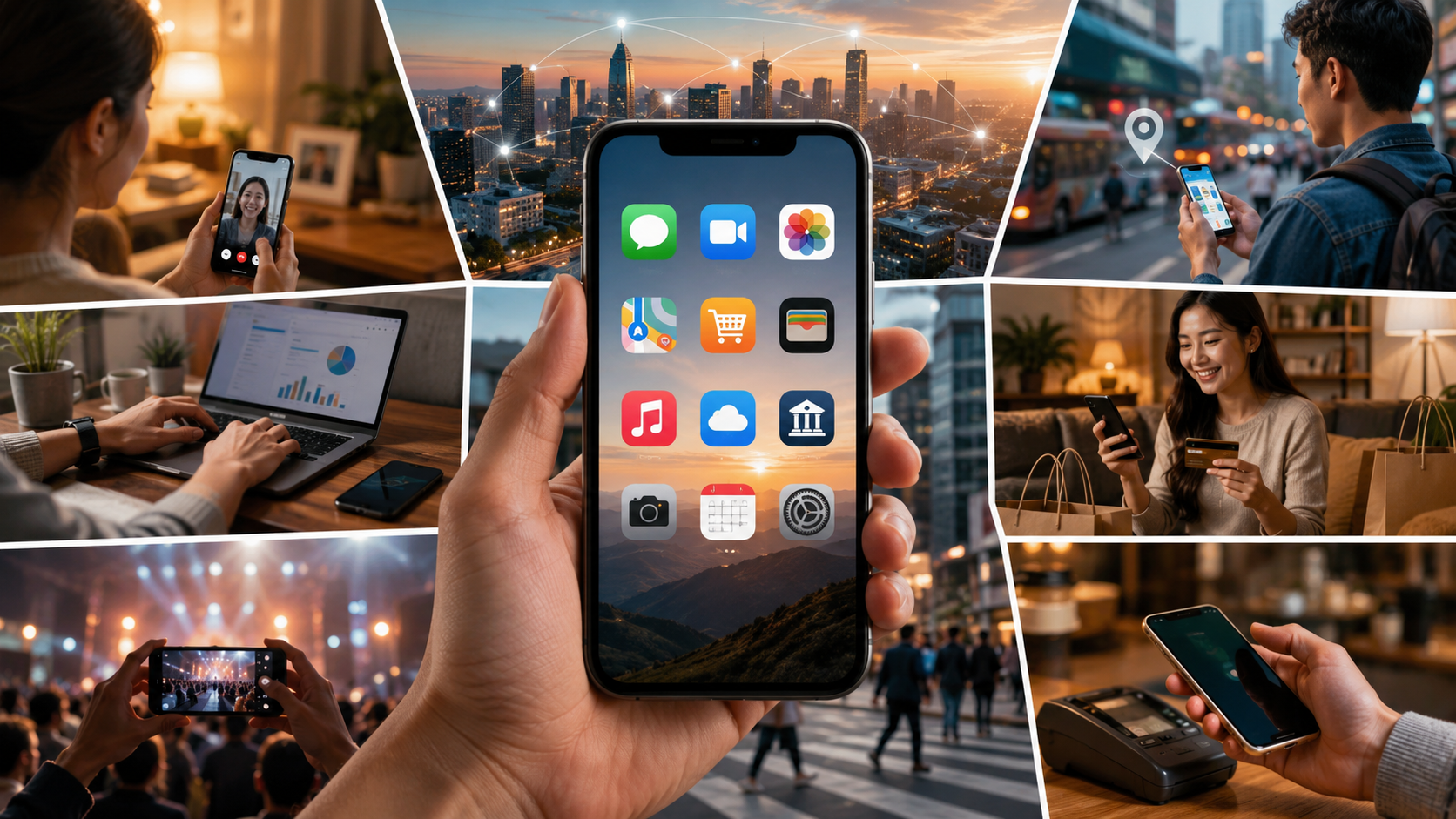
It can connect to headphones, watches, cars, televisions, smart-home devices, computers, cloud services, and countless online platforms. It stores personal information, provides access to important accounts, and increasingly acts as an interface for AI-powered services.
The result is a device that does much more than make calls.
It is becoming a portable computing hub that can adapt to communication, entertainment, work, creativity, navigation, finance, and everyday organization.
What Comes Next?
The line between smartphones and personal computers will likely continue to become less obvious.
Future phones may offer even more powerful processors, better AI capabilities, improved desktop interfaces, and deeper connections with external displays and accessories. As software becomes more flexible, a single device could potentially handle an even wider range of tasks.
The most important change may not be that smartphones are replacing computers.
Instead, smartphones are adopting many of the characteristics that once made personal computers essential.
They are becoming more powerful, more capable, and more adaptable while remaining small enough to carry everywhere. For users, that means the definition of a “computer” is gradually changing—and the device in their pocket may increasingly be the most personal computer they own.


Leave a Reply