

For years, people have been taught to think of smartphones, computers, smart speakers, and other connected devices as tools that respond to commands. You tap an app, type a question, press a button, or adjust a setting yourself.
That relationship is beginning to change.
The rapid rise of AI assistants is creating a new expectation: devices should not simply wait for instructions. They should understand what people mean, anticipate what they need, and help complete tasks with less effort.
This shift could become one of the most important changes in everyday technology since the arrival of smartphones.
From Tools That Respond to Assistants That Understand
Traditional digital assistants were built around simple commands. Users might ask for the weather, set an alarm, play music, or search for information.
AI assistants are moving toward something much more conversational.
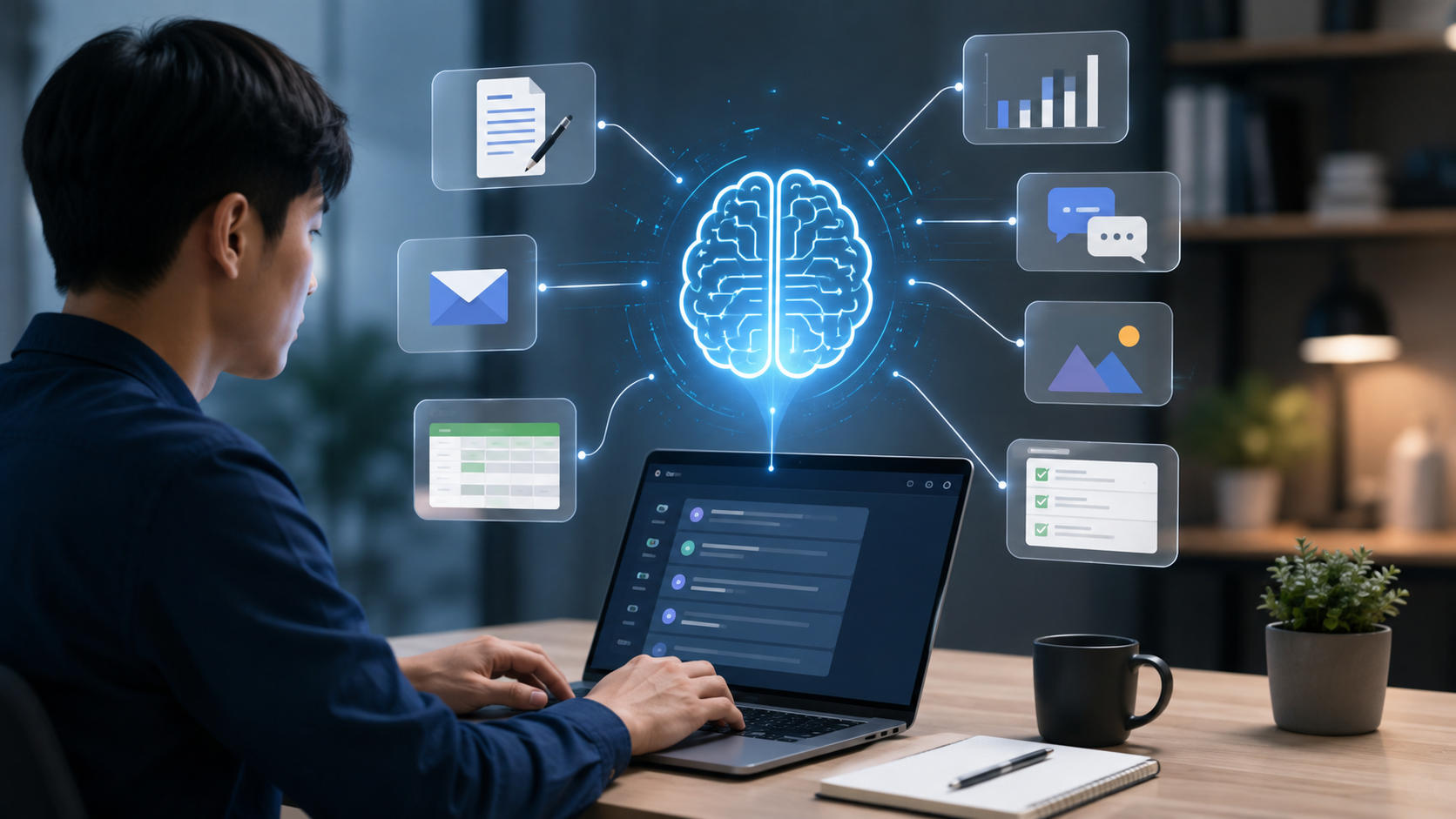
Instead of asking a device to perform one clearly defined action, people can describe a goal in ordinary language. They can provide context, ask follow-up questions, change their minds, and expect the system to remember what was discussed during an interaction.
That difference may seem subtle, but it changes how people think about technology.
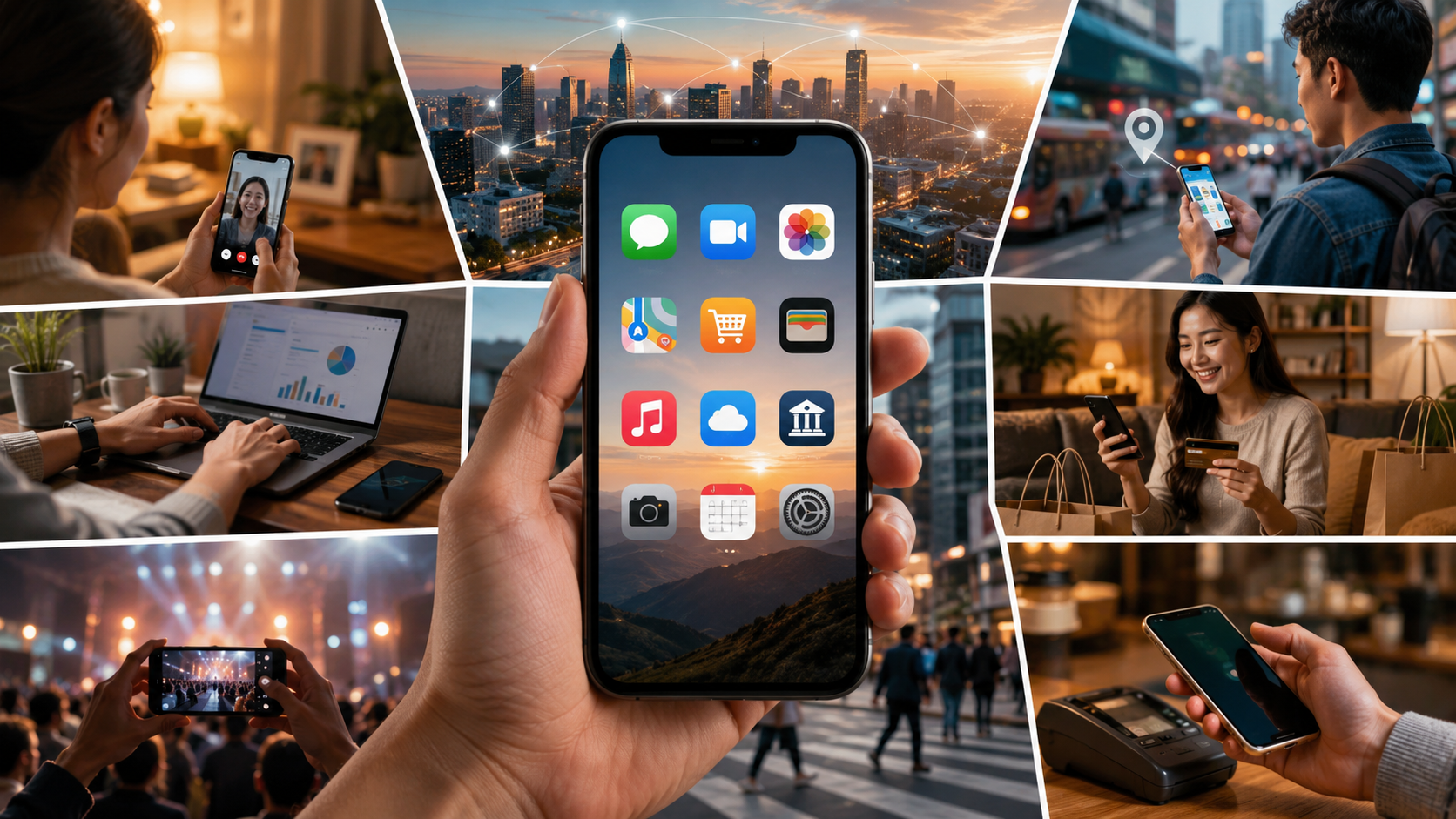
A smartphone is no longer just a collection of applications. Increasingly, it can feel like an interface through which users communicate with an intelligent system.
The expectation is shifting from “Where is the feature I need?” to “Can my device figure this out for me?”
People Are Starting to Expect Less Friction
One of the biggest effects of AI assistants may be the reduction of small digital frustrations.
Consider the number of steps involved in ordinary tasks. Finding information may require opening a browser, choosing a search engine, typing several keywords, comparing results, and deciding which answer is useful.
An AI assistant can potentially compress much of that process into a conversation.
The same principle applies to writing messages, organizing information, summarizing documents, planning activities, translating text, or explaining unfamiliar subjects.
As these experiences become normal, people may become less tolerant of technology that requires unnecessary steps.
A device that makes users navigate several menus for something an AI assistant can accomplish through a simple request may begin to feel outdated.
The Smartphone Is Becoming More of an AI Interface
The smartphone remains one of the most important personal devices in everyday life, but its role could evolve significantly as AI becomes more deeply integrated.
Instead of opening a specific application for every task, users may increasingly begin with an AI interface.
They might ask the device to find a particular photograph, summarize a long conversation, create a reminder based on information in a message, explain something on a webpage, or help organize a complicated task.
This does not necessarily mean traditional apps will disappear.
Instead, AI could become the layer connecting them.
The assistant may understand the user’s request and then interact with different applications behind the scenes. From the user’s perspective, the experience becomes less about knowing which app to open and more about simply describing the desired outcome.
That represents a major change in the way people interact with software.
Voice Is Only One Part of the Transformation
When people hear the term “AI assistant,” they often imagine voice conversations. But the next generation of assistants is likely to be much more visual and contextual.
AI can interact with text, images, documents, screens, audio, and other forms of information.
A user could point a camera at an unfamiliar object and ask what it is. They could highlight part of a document and request an explanation. They could ask an assistant to interpret information displayed on their screen or help turn scattered notes into something more organized.
This creates a more natural relationship between people and devices.
Instead of forcing users to translate their intentions into commands that software understands, AI attempts to interpret human language and context.
The interface itself becomes less visible.
Devices May Start Anticipating What Users Need
Another important development is the move from reactive assistance toward proactive assistance.
Traditional software waits for an instruction. More advanced AI systems could recognize patterns and offer help before a user explicitly asks.
For example, an assistant might identify information relevant to an upcoming appointment, summarize important messages, remind someone about a task based on previous conversations, or surface information at a useful moment.
There is an obvious benefit: fewer things need to be remembered manually.
But proactive technology also raises an important question.
How much initiative should a device have?
People may appreciate an assistant that saves them time, but they may become uncomfortable if it constantly interrupts, makes assumptions, or acts without clear permission.
The success of AI assistants will therefore depend not only on intelligence, but also on judgment.
The New Standard May Be “Just Ask”
Perhaps the most significant cultural change is the growing expectation that technology should understand ordinary language.
For decades, people adapted themselves to computers. They learned menus, commands, search techniques, file structures, and software interfaces.
AI reverses some of that relationship.
Users can increasingly communicate with machines in a way that resembles ordinary conversation.
That could make technology more accessible to people who are not comfortable with complicated interfaces. It could also change how younger generations learn to interact with digital systems.
The question may no longer be whether someone knows how to use a particular application.
Instead, the important skill could be knowing how to explain what they want.
AI Could Change the Meaning of a “Smart” Device
The word “smart” has been attached to countless products, from phones and televisions to watches and home appliances.
Historically, a smart device often meant a product that could connect to the internet or run software.
AI is raising the bar.
A truly smart device may increasingly be judged by how well it understands its user, how naturally it communicates, and how effectively it can help accomplish goals.
This could influence the design of future hardware.
Companies may focus less on adding isolated features and more on creating devices capable of understanding context across different situations.
The most important innovation may not always be a new button, sensor, or screen. It could be the intelligence operating behind the interface.
Convenience Comes With New Questions
The growth of AI assistants also introduces concerns that cannot be ignored.
For an assistant to become genuinely useful, it may need access to more information about a user’s activities, preferences, conversations, files, and devices.
That creates difficult questions about privacy and control.
People will want AI systems to understand enough about them to be helpful, but not so much that the technology becomes intrusive.
There is also the question of accuracy. An assistant that confidently misunderstands a request can create more work instead of reducing it.
As AI becomes embedded in everyday devices, users may therefore expect greater transparency about what an assistant can access, what it remembers, and why it makes particular recommendations.
Trust could become just as important as intelligence.
The Future May Feel Less Like Using a Computer
The long-term impact of AI assistants may be difficult to see because the technology is being introduced gradually.
People are not necessarily replacing their devices overnight. Instead, the way they interact with those devices is changing one task at a time.
A search becomes a conversation.
A menu becomes a natural-language request.
A collection of applications becomes an interconnected system that an assistant can navigate.
Over time, these small changes can reshape expectations.
The defining characteristic of future devices may not be how many features they contain, but how little effort they require from the person using them.
A New Relationship With Technology
The rise of AI assistants is ultimately about more than artificial intelligence.
It is about changing the relationship between humans and their devices.
For decades, people have learned to operate technology according to the rules established by software designers. AI is beginning to create an alternative model in which devices can adapt more naturally to the way people communicate.
That shift could make technology more convenient, more accessible, and more personalized.
But it also means users will demand more from their devices than ever before.
People may soon expect their phones, computers, cars, and other connected products to understand context, communicate naturally, and help solve problems rather than simply provide tools.
The future of personal technology may therefore be less about asking, “What can this device do?”
Increasingly, people may simply expect to say what they need—and have the device understand.










Leave a Reply