

Digital privacy is no longer a concern reserved for cybersecurity experts or technology enthusiasts. As more parts of everyday life move online, the amount of personal information generated by ordinary activities continues to grow. From browsing websites and using mobile apps to shopping online and interacting with connected devices, people leave behind digital traces almost everywhere they go.
At the same time, technology is becoming increasingly capable of collecting, analyzing, and predicting information about individuals. This is making digital privacy one of the most important technology issues of the modern era.
The Growing Amount of Personal Data
Everyday digital activities can produce surprisingly detailed information. A simple search may reveal an interest, while a shopping transaction can indicate purchasing habits. Location services can show where someone spends time, and social media activity can reveal connections, interests, and preferences.
Much of this information can be useful. Companies use data to improve products, personalize services, detect fraud, and provide more relevant recommendations. However, the growing volume of collected information also creates new privacy concerns.
The issue is not always about a single piece of information. When many small details are combined, they can create a surprisingly complete picture of a person’s behavior.
Smartphones Have Made Privacy More Complicated
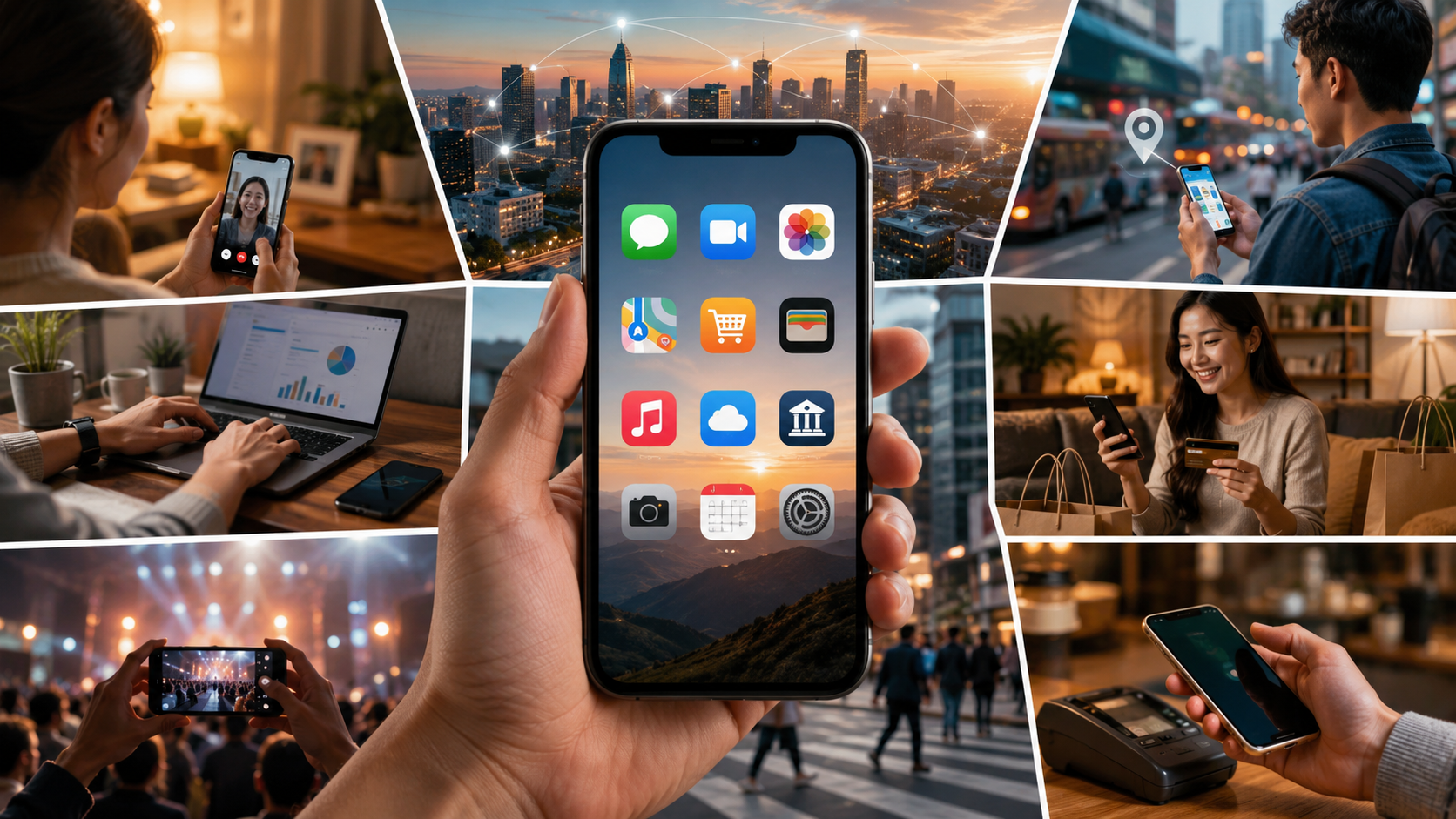
Smartphones have become one of the most important sources of personal data. They can contain photographs, messages, contacts, browsing histories, location information, payment details, and records of app activity.
Many apps also request access to features such as location, cameras, microphones, contacts, and files. While these permissions can support useful features, they can also make it difficult for users to understand exactly how much information they are sharing.
The challenge is that convenience often comes with a trade-off. People may accept permissions quickly because they want to use an app, without taking the time to understand what happens to their information afterward.
Artificial Intelligence Raises New Privacy Questions
The rapid development of artificial intelligence is adding another layer to the privacy debate.
AI systems can process enormous amounts of information and identify patterns that might not be obvious to humans. Data that seems harmless on its own can potentially become more revealing when analyzed alongside other information.
AI is also increasingly being integrated into search engines, smartphones, workplaces, customer service systems, and other digital products. As these systems become more personalized, questions about how personal data is collected, stored, analyzed, and used are becoming harder to ignore.
The technology itself is not necessarily the problem. The bigger question is how responsibly personal information is handled throughout the process.
Data Breaches Can Have Long-Term Consequences
Another reason digital privacy is becoming more important is the continuing risk of data breaches.
When organizations store large amounts of personal information, they become attractive targets for cybercriminals. A successful breach can expose names, email addresses, account credentials, financial information, or other sensitive details.
The consequences may continue long after a breach has been discovered. Unlike a password, some forms of personal information cannot simply be changed. Once certain details are exposed, they may remain available or be reused in future scams.
This makes responsible data management an important part of modern technology.
People Often Have Limited Control Over Their Data
One of the biggest privacy challenges is the gap between what technology can collect and what users actually understand.
Privacy policies can be lengthy and difficult to interpret. Terms such as data sharing, tracking, analytics, personalization, and third-party services may not immediately tell users how their information will be used.
As a result, agreeing to a digital service can sometimes feel like accepting a complicated contract without fully understanding its implications.
Better privacy tools can help, but technology companies also have an important role to play. Privacy settings should be understandable, accessible, and designed around ordinary users rather than only technical experts.
Privacy Is Becoming Part of the User Experience
Digital privacy is increasingly influencing how people evaluate technology.
A product may offer impressive features, but users may also want to know whether it collects unnecessary information, how long data is stored, and whether information is shared with other organizations.
This could encourage companies to treat privacy as part of product design rather than something added after a product is developed.
Privacy-focused design can include clearer permission requests, more transparent settings, stronger security protections, and options that allow users to control their information without navigating complicated menus.
Consumers Are Becoming More Aware
Public awareness of digital privacy has also changed. People are increasingly familiar with concepts such as online tracking, targeted advertising, data breaches, location monitoring, and account security.
This does not mean everyone understands every technical detail. Instead, there is growing recognition that personal information has value.
That awareness may influence future technology trends. Products that provide useful services while giving users greater control over their data could become increasingly attractive.
The Future of Digital Privacy
Digital privacy will likely become even more important as technology becomes more connected.
Smart homes, wearable devices, connected vehicles, artificial intelligence, online financial services, and other technologies can generate additional streams of information. The more devices become part of everyday life, the more important it becomes to understand what information they collect and why.
The future of privacy will therefore depend on more than individual caution. It will also involve stronger security practices, responsible technology design, transparent data policies, and informed users.
Why It Matters to Everyone
Digital privacy is sometimes presented as a technical issue, but its impact is much broader. It can affect how people shop, communicate, work, travel, learn, and interact with digital services.
The central question is not whether technology should collect information at all. Data can make many digital services more useful and efficient. The more important question is whether people have meaningful control over their information and whether organizations handle it responsibly.
As technology becomes increasingly embedded in everyday life, digital privacy is becoming less of a niche concern and more of a fundamental part of using technology.
For users, the simplest starting point is awareness: review app permissions, use strong and unique passwords, enable available security features, and think carefully about what information is shared online.
Small choices may not eliminate every privacy risk, but they can make it easier for people to maintain greater control over their digital lives.











Leave a Reply