
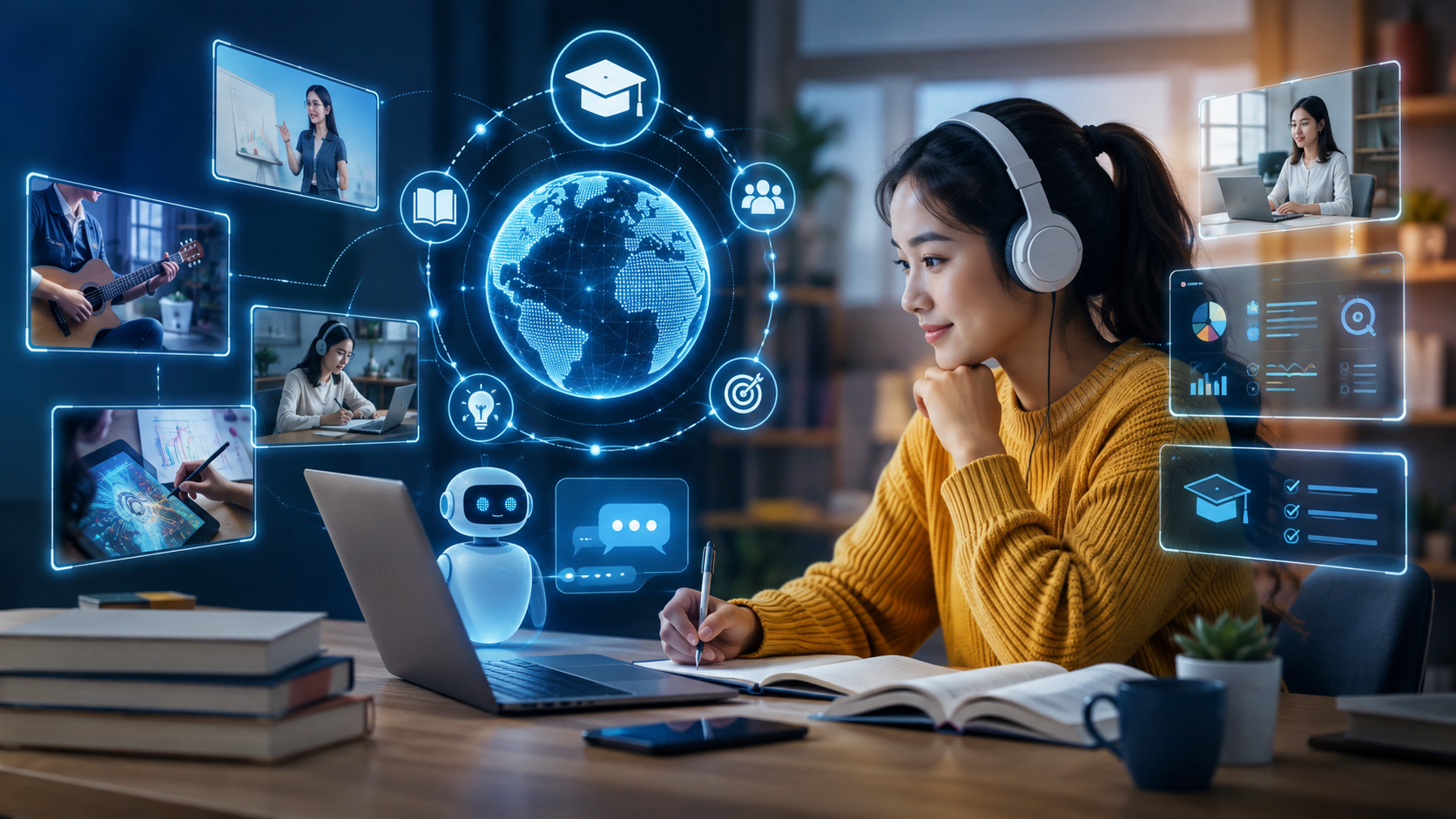
Learning something new used to mean signing up for a class, buying a textbook, or finding a teacher who could guide you through the process. Today, technology has changed that experience dramatically.
Whether someone wants to learn a new language, improve their professional skills, play an instrument, understand artificial intelligence, or start a creative hobby, the tools to begin learning are often available within seconds. Smartphones, online courses, artificial intelligence, video platforms, and interactive apps have made education more accessible than ever.
But technology is not simply making learning more convenient. It is also changing how people learn, when they learn, and how quickly they can develop new skills.
Learning Is No Longer Limited by Location
One of the biggest changes technology has brought to education is the ability to learn from almost anywhere.
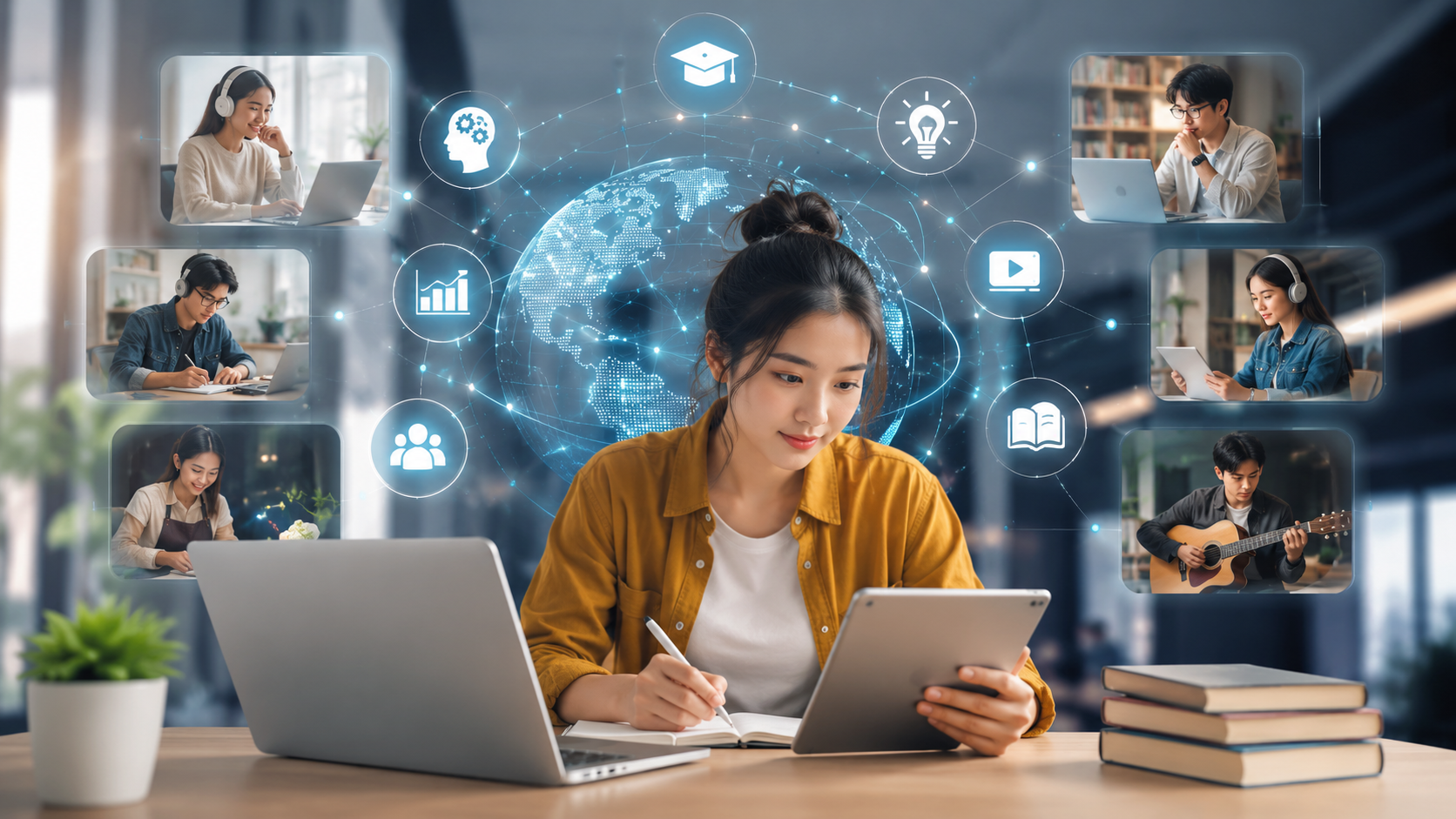
In the past, people often had to travel to a school, training center, library, or workplace to access educational resources. Now, an internet connection can provide access to courses, tutorials, lectures, digital books, and communities of learners around the world.
Someone interested in photography, for example, can learn from professional photographers in different countries without leaving home. A person who wants to learn programming can follow online lessons and practice writing code on a laptop. Someone learning a new language can communicate with people from other cultures through language-learning platforms.
This flexibility has made learning much easier to fit into everyday life.
Short Lessons Fit Modern Schedules
Technology has also encouraged a shift toward smaller and more focused learning sessions.
Instead of spending several hours in a classroom, people can learn for 10, 15, or 30 minutes at a time. Short videos, interactive exercises, quizzes, and mobile applications allow learners to make progress during breaks, commutes, or quiet moments at home.
This approach is especially useful for people with busy schedules.
A person may not have enough time for a traditional evening course, but they may have 20 minutes available each morning. Over time, those small sessions can add up to significant progress.
The result is a more flexible approach to education: learning does not always have to be a major event. It can become part of a person’s daily routine.
Artificial Intelligence Is Becoming a Personal Learning Assistant
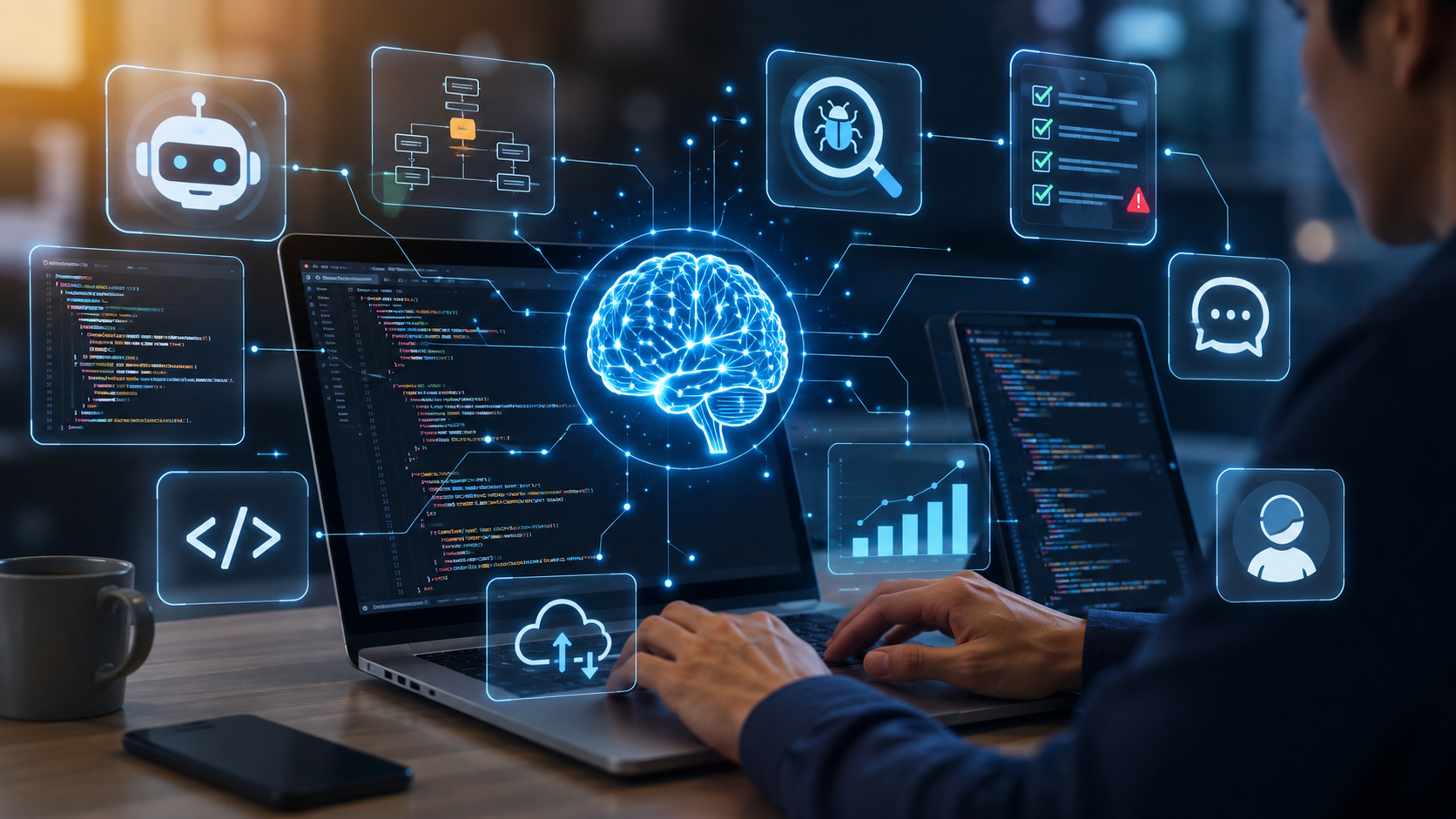
Artificial intelligence is one of the most significant technologies changing the learning experience.
AI-powered tools can explain difficult concepts, generate practice questions, provide feedback, summarize complicated information, and adapt explanations to different levels of understanding.
For example, someone learning mathematics can ask an AI tool to explain a problem step by step. A language learner can practice conversations and receive corrections. Someone studying business can ask for examples that make an unfamiliar concept easier to understand.
This creates a learning experience that can feel more personalized.
Instead of receiving exactly the same explanation as everyone else, learners can ask follow-up questions and request simpler, deeper, or more practical explanations.
However, AI works best as a learning companion rather than a replacement for thinking. Learners still need to question information, practice independently, and develop the ability to solve problems without always relying on technology.
Interactive Learning Makes Practice More Engaging
Traditional learning often focuses heavily on reading and listening. Technology can add a much more interactive dimension.
Educational platforms can use quizzes, simulations, games, coding environments, virtual laboratories, and other interactive tools to turn passive learning into active practice.
This matters because understanding a concept is not always the same as being able to use it.
Someone learning to code, for instance, can immediately write and test code rather than simply reading about programming concepts. A person studying a foreign language can practice conversations instead of only memorizing vocabulary.
The ability to practice immediately can help learners identify mistakes and improve through repetition.
Video Has Become a Powerful Learning Tool
Video platforms have also transformed skill development.
A person learning how to cook can watch a chef demonstrate a technique. Someone repairing a bicycle can follow a visual tutorial. A beginner learning photography can see exactly how another photographer adjusts camera settings.
Visual demonstrations can make complicated processes easier to understand because learners can observe each step rather than relying entirely on written instructions.
At the same time, the enormous amount of online video content means learners need to become better at evaluating sources. Not every tutorial is accurate, complete, or appropriate for beginners.
Choosing reliable instructors and checking information across multiple sources can make online learning much more effective.
Technology Makes Learning More Personalized
People do not all learn in the same way or at the same speed.
Some prefer watching demonstrations. Others learn better by reading, practicing, listening, or solving problems. Digital platforms can provide multiple formats for the same subject, allowing people to choose approaches that work best for them.
Some learning systems can also track progress and recommend what to study next.
This can create a more personalized path. Instead of following one fixed curriculum, learners may spend more time on difficult topics and move quickly through concepts they already understand.
Personalization can make learning feel less frustrating and more efficient.
Online Communities Make Learning More Social
Technology has also changed the social side of education.
Learning no longer has to happen alone. Online communities allow people with similar interests to exchange ideas, ask questions, share projects, and provide feedback.
A beginner learning graphic design can share a project with an online community. A new programmer can ask other developers for help. Someone learning a musical instrument can find communities where members share practice tips and experiences.
These interactions can provide something that educational content alone cannot: encouragement and a sense of progress.
Being part of a community can also help learners stay motivated when the initial excitement of learning something new begins to fade.
The Biggest Challenge: Too Much Information
While technology has made learning easier to access, it has also created a new problem: information overload.
There are thousands of courses, videos, articles, podcasts, apps, and AI tools available for almost any subject. Having too many choices can make it difficult to decide where to begin.
Some people spend more time searching for the perfect learning resource than actually practicing the skill.
A better approach is often to choose one reliable starting point, establish a simple learning routine, and improve gradually.
Technology should reduce barriers to learning—not become another source of distraction.
Learning New Skills Is Becoming a Lifelong Process
Perhaps the most important change is that technology has made continuous learning more realistic.
The workplace is changing quickly, and many skills that are valuable today may evolve significantly in the future. At the same time, people are increasingly interested in learning outside their careers, from creative skills and languages to hobbies and personal interests.
Because educational resources are available on demand, learning does not have to stop when formal education ends.
A person can continue developing new abilities throughout their life, often without needing to return to a traditional classroom.
Technology Is a Tool, Not the Entire Learning Process
Despite all these advances, technology alone cannot guarantee that someone will learn effectively.
Progress still depends on curiosity, consistency, practice, patience, and the willingness to make mistakes.
The most useful technology is often the technology that makes those habits easier to maintain.
An AI tutor can explain a concept, but the learner still has to practice it. A video can demonstrate a skill, but the learner still needs to try it. An online course can provide structure, but completing it still requires commitment.
Technology can make the path easier to access, but the learner still has to walk it.
The Future of Learning Will Be More Flexible
Technology is changing learning from something that happens primarily in classrooms into something that can happen almost anywhere.
People can learn in short sessions, receive personalized assistance, practice interactively, connect with communities, and explore subjects that may never have been available to them locally.
The biggest opportunity is not simply having more educational content. It is having better ways to turn that content into meaningful practice and lasting skills.
As technology continues to evolve, learning is likely to become even more personalized, flexible, and accessible. For anyone willing to stay curious and keep practicing, developing a new skill may be easier than ever before.




Leave a Reply