
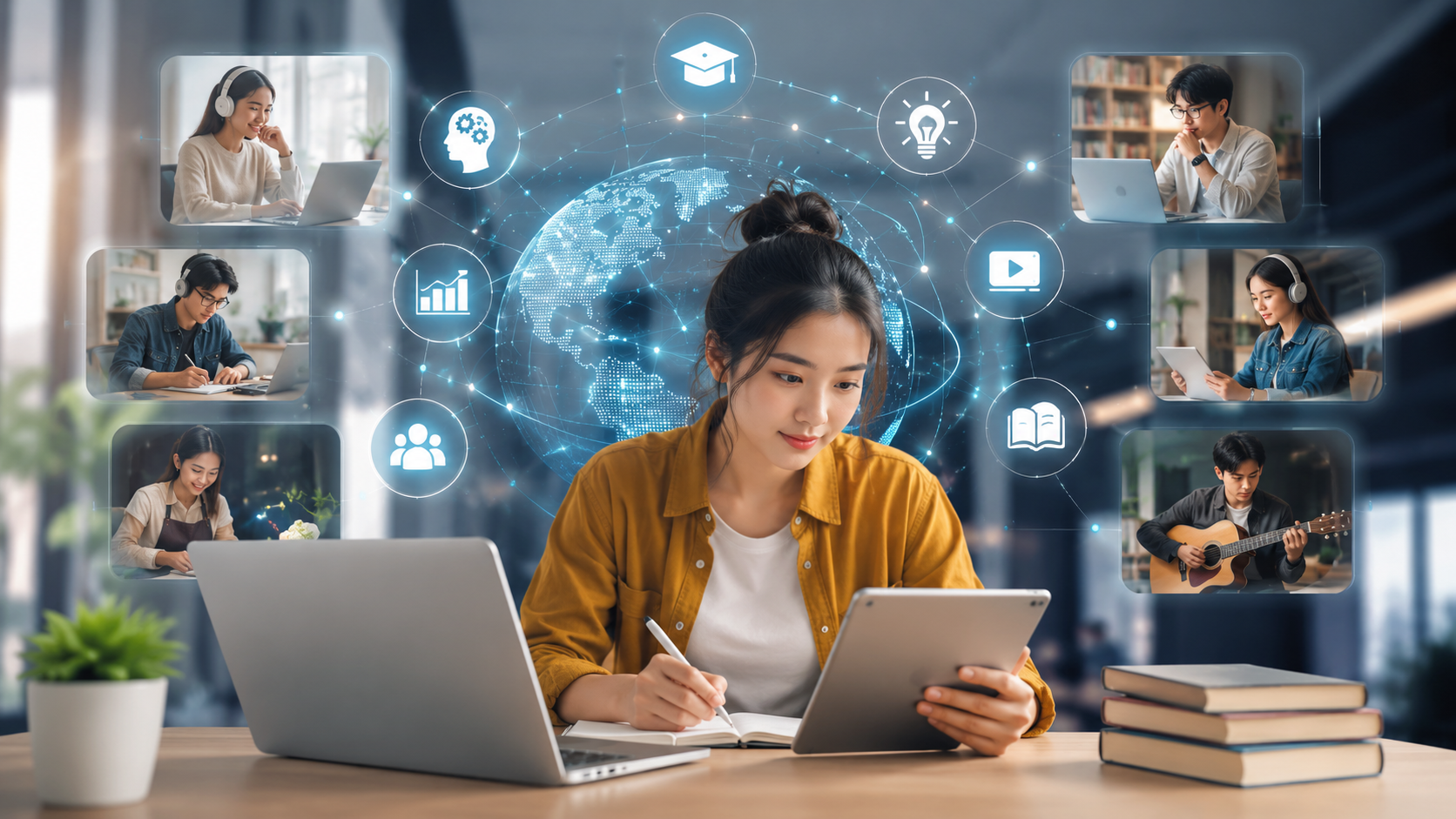
Learning a new skill used to require a familiar set of resources: books, classrooms, teachers, and plenty of time. Today, technology has changed that process dramatically. A person can learn graphic design from a video tutorial, practice a new language with an app, study programming through an interactive platform, or develop professional skills with an online course—all from a smartphone or computer.
This shift is doing more than making education more convenient. Technology is changing how people discover information, practice skills, receive feedback, and stay motivated to keep learning.
Learning Is No Longer Limited to the Classroom
One of the biggest changes brought by technology is the ability to learn almost anywhere.
Online courses, educational videos, digital books, podcasts, and interactive platforms have made knowledge available beyond traditional schools and universities. Someone interested in photography, coding, cooking, marketing, music, or business can begin learning without enrolling in a formal institution.
This flexibility is particularly important for adults who want to develop new abilities while working or managing other responsibilities. Instead of following a fixed classroom schedule, learners can often choose when and where they study.
The result is a more flexible approach to education—one that fits around everyday life rather than requiring everyday life to revolve around education.
Smartphones Have Turned Learning Into an Everyday Activity
The smartphone has made skill development even more accessible.
A few minutes of free time can now become an opportunity to learn. People can review vocabulary while commuting, listen to an educational podcast while exercising, watch a tutorial during a lunch break, or complete a short lesson before going to bed.
This makes learning feel less like a separate activity and more like something that can happen throughout the day.
Short-form educational content has also contributed to this change. Instead of spending an hour reading a textbook, learners can often find concise explanations that introduce a concept in just a few minutes.
However, convenience also creates a challenge: consuming information is not the same as developing a skill. Real progress still requires practice, repetition, and the willingness to move beyond watching and start doing.
Artificial Intelligence Is Making Learning More Personalized
Artificial intelligence is introducing another major change.
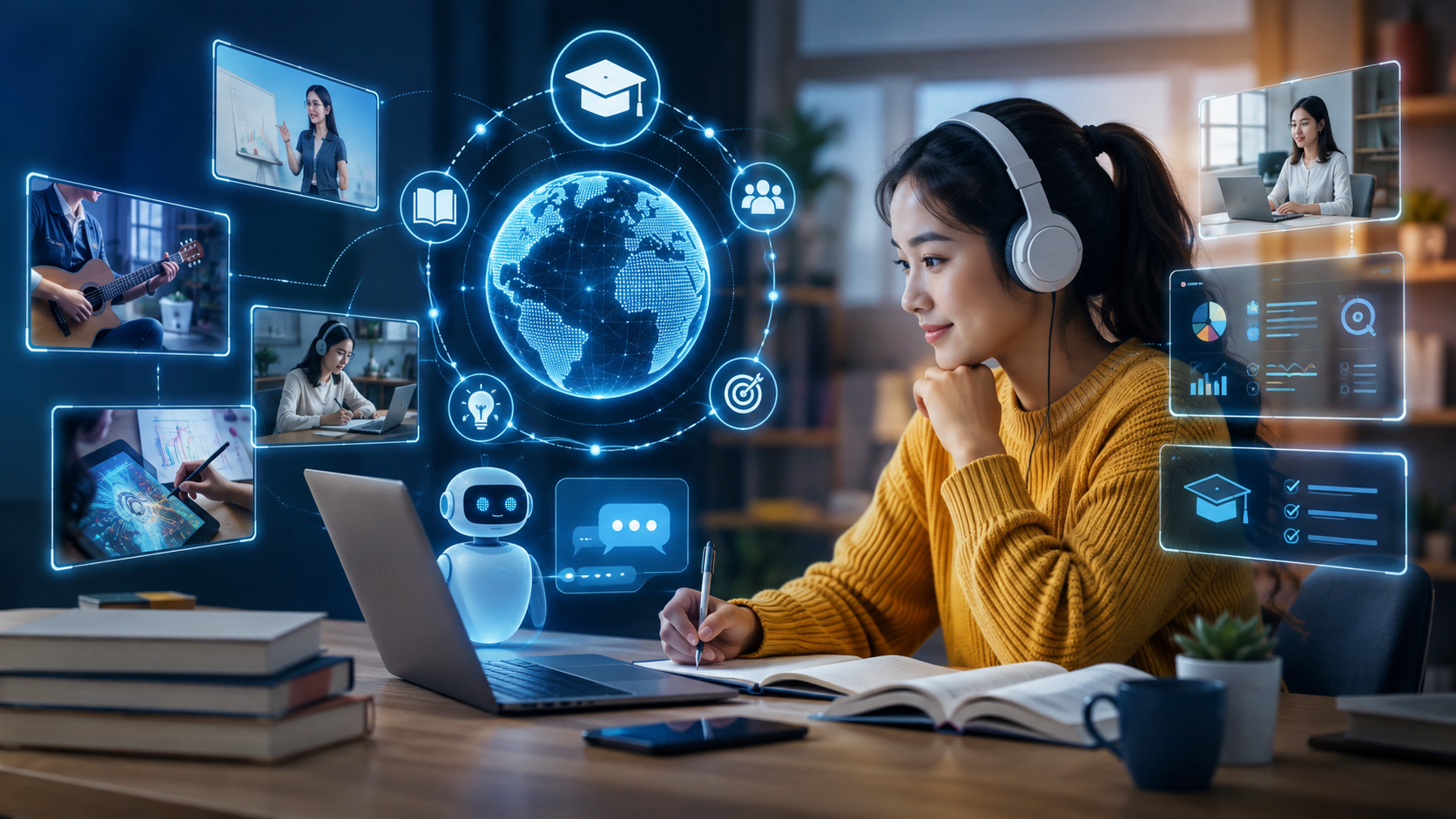
Traditional educational materials generally provide the same explanation to everyone. AI-powered learning tools can potentially adapt explanations, exercises, examples, and difficulty levels based on an individual’s progress.
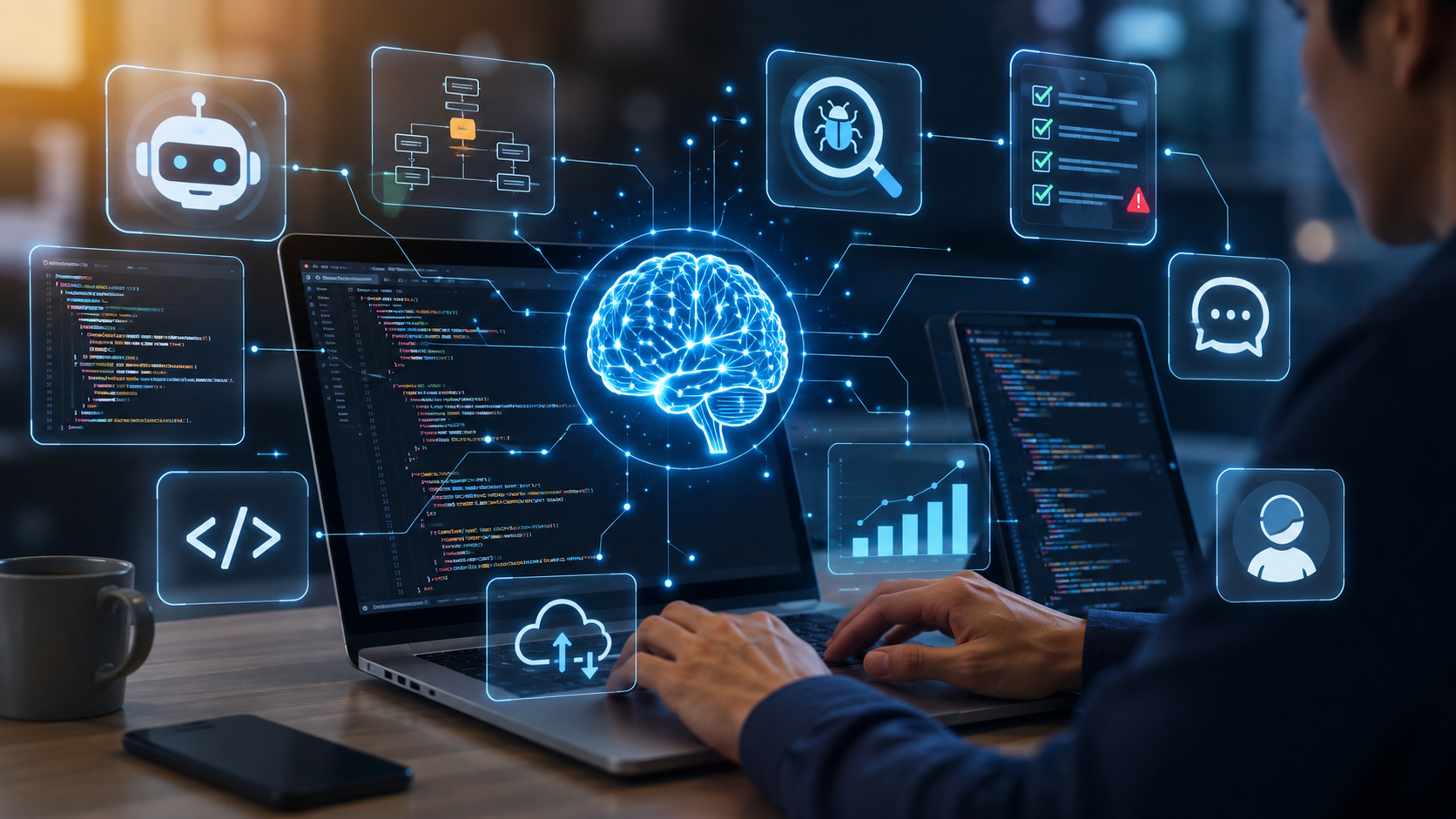
For example, someone learning a programming language can ask an AI assistant to explain a difficult concept in simpler terms, provide another example, or help identify an error in a practice project.
Language learners can use AI to practice conversations. Writers can receive feedback on drafts. Students can ask for explanations of unfamiliar concepts from different perspectives.
This creates a more interactive learning experience.
Instead of simply receiving information, learners can have something closer to a continuous digital study partner.
Online Communities Make Learning More Social
Technology has also changed the social side of learning.
Online communities allow people with similar interests to exchange ideas, ask questions, share projects, and learn from one another. A beginner no longer has to rely exclusively on people in their local area.
Someone learning photography can connect with photographers around the world. A new programmer can participate in developer communities. Language learners can communicate with people who speak the language they are studying.
These communities can provide something that automated lessons cannot always offer: encouragement and real-world perspective.
Seeing other people struggle, improve, and share their experiences can make the learning process feel more achievable.
Interactive Tools Make Practice More Engaging
Another important development is the growth of interactive learning.
Instead of simply reading about a subject, people can increasingly practice it through simulations, quizzes, exercises, virtual environments, and project-based platforms.
This matters because many skills cannot be mastered through passive consumption.
A person learning to code needs to write code. Someone learning design needs to create designs. A language learner needs to communicate. A musician needs to practice an instrument.
Technology can shorten the distance between learning about something and actually doing it.
Learning at Your Own Pace Has Become Easier
Everyone learns differently.
Some people understand new ideas quickly, while others need repetition and additional examples. Traditional classrooms can make it difficult to accommodate every learning style at the same time.
Digital learning platforms give people more control over the pace.
A learner can pause a video, replay a difficult section, repeat an exercise, or move ahead when a concept becomes familiar. This can reduce some of the pressure associated with keeping up with a fixed group.
It also makes it easier for experienced learners to skip material they already understand and spend more time on areas where they need improvement.
The Biggest Challenge Is Still Staying Consistent
Despite all these advantages, technology does not automatically make people better learners.
In fact, having unlimited educational content can sometimes make learning more difficult.
There are countless courses, videos, apps, newsletters, podcasts, and online communities competing for attention. Learners can easily spend more time searching for the perfect resource than actually practicing.
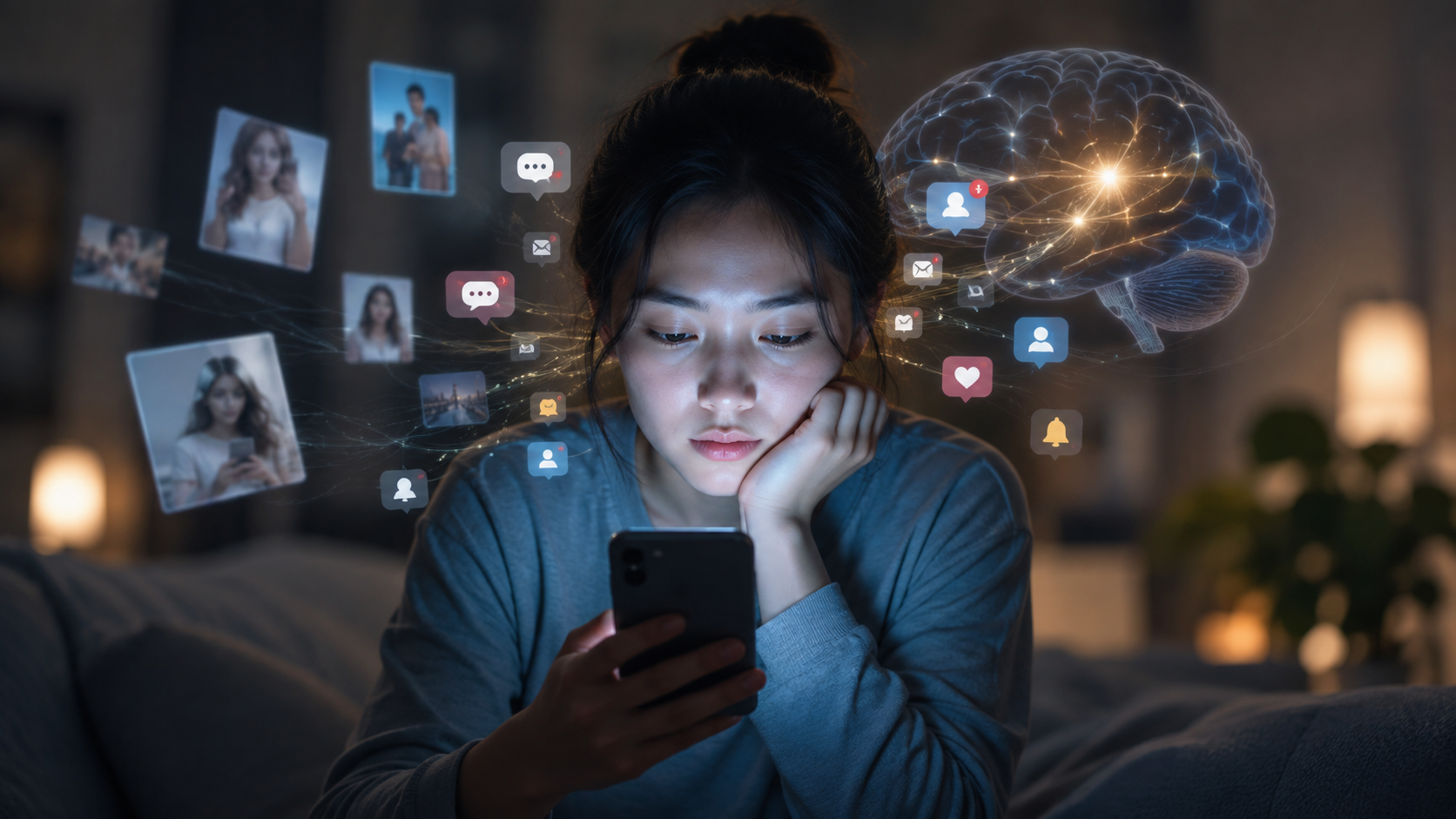
Distractions are another problem. The same device used for studying may also contain social media, entertainment, games, and notifications.
This means that one of the most valuable skills in modern learning may be the ability to focus.
Choosing a useful resource is important, but creating a consistent habit is often even more important.
Technology Is Changing What It Means to Be a Learner
Perhaps the most significant change is cultural.
Learning is increasingly becoming a continuous process rather than something that happens only during childhood or formal education.
People can learn new skills throughout their careers and personal lives. They can change professions, explore creative interests, develop technical abilities, or simply satisfy their curiosity without needing to follow a traditional educational path.
Technology has lowered many of the barriers between curiosity and knowledge.
But the fundamental principles of learning have not disappeared. People still need curiosity, practice, patience, and persistence.
Technology can provide better tools, faster access to information, personalized guidance, and global communities. What it cannot do is replace the learner’s willingness to keep going.
The Future of Learning Will Be More Connected
As artificial intelligence, interactive software, virtual environments, and digital communities continue to develop, learning is likely to become even more personalized and accessible.
The most useful technology may not be the tool that provides the most information. It may be the one that helps people understand what they need to learn, practice it effectively, receive useful feedback, and stay motivated.
That is ultimately what makes technology so influential in modern education.
It is not simply putting more information on screens. It is changing the entire process through which people discover, practice, and develop new skills.





Leave a Reply