
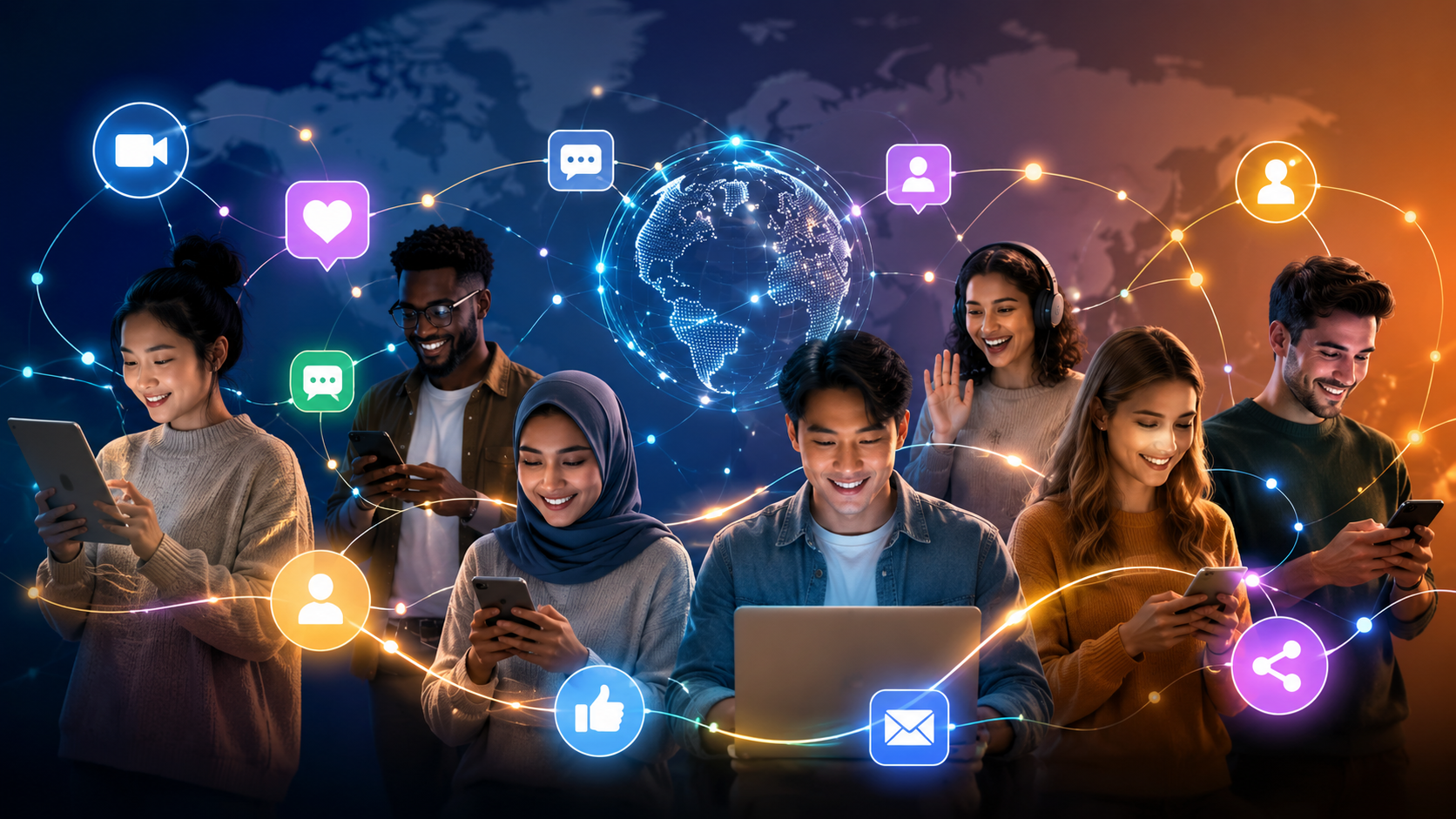
For most of human history, communication was limited by distance, time, and access. People wrote letters that took days or weeks to arrive, traveled to meet one another, or relied on newspapers and broadcasts to reach larger audiences.
Today, a message can travel across the world in seconds.
But digital culture has changed much more than the speed of communication. It has transformed how people express themselves, build relationships, interpret information, and even decide when a conversation is worth having. From instant messaging and social media to video calls, emojis, memes, and artificial intelligence, digital tools are creating a new communication environment that continues to evolve.
The result is a world where people are more connected than ever, yet communication is also becoming more complicated.
Communication Is Becoming Faster and More Immediate
One of the biggest changes brought by digital culture is the expectation of instant communication.
A person can send a message and reasonably expect a response within minutes. Workplace conversations that once required meetings can now happen through messaging platforms. Friends and families separated by thousands of miles can exchange photos, voice messages, and video calls throughout the day.
This convenience has made communication more accessible. People no longer have to coordinate their schedules perfectly to stay in contact.
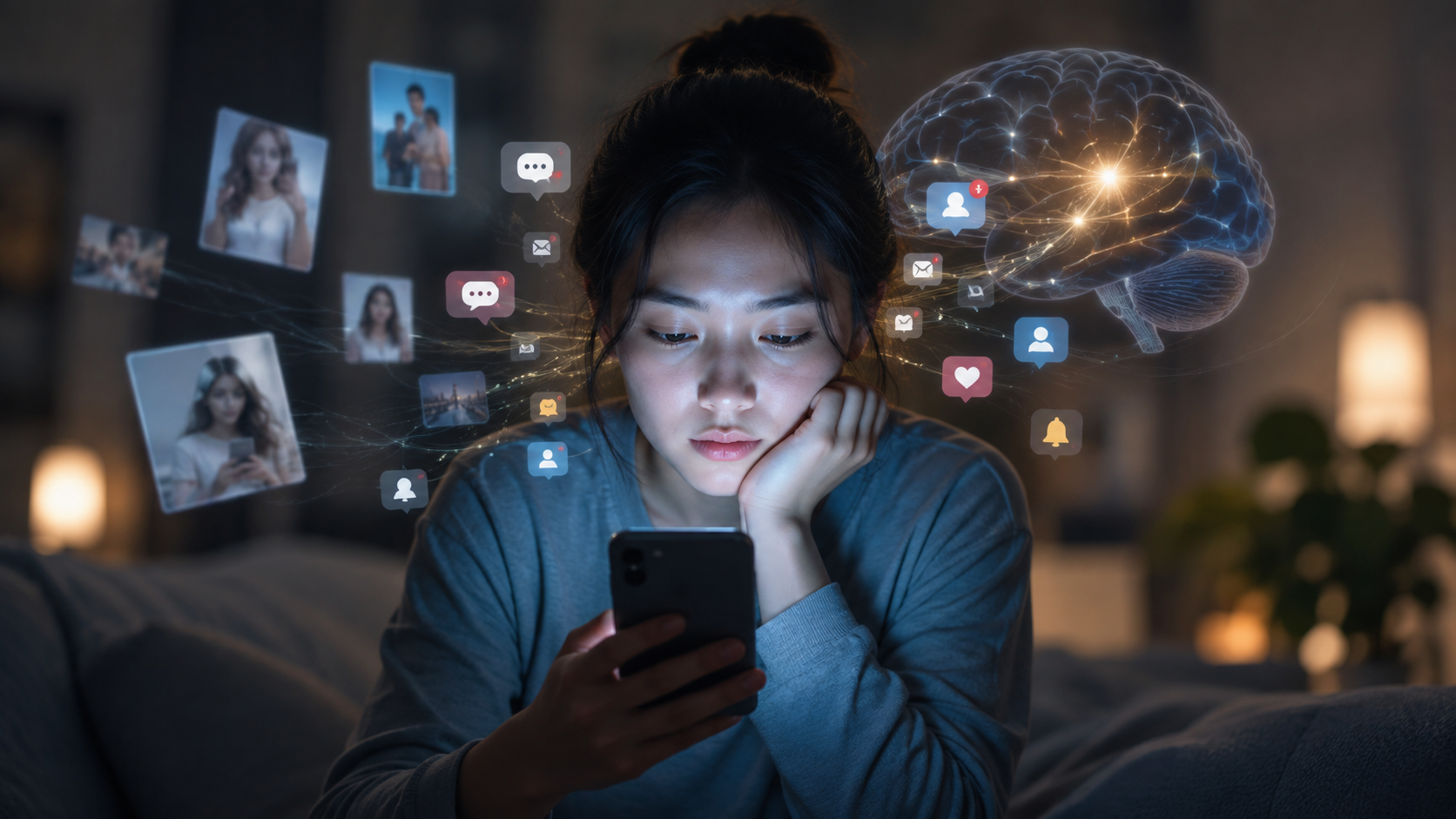
However, constant availability can also create pressure.
A message that remains unanswered may lead someone to wonder whether the recipient is busy, ignoring them, or upset. The speed of digital communication has therefore created a strange contradiction: people have more opportunities to communicate, but they may also feel greater pressure to respond.
Text Has Become More Expressive
Digital culture has also changed the way people communicate emotions through text.
Traditional written communication often depended on words alone. Online conversations have introduced a much broader set of signals, including emojis, GIFs, stickers, memes, punctuation styles, reaction buttons, and short videos.
A simple sentence can communicate something completely different depending on whether it ends with a period, an emoji, or a laughing reaction.
Memes are especially interesting because they allow people to communicate complicated feelings or ideas with a familiar image and a few words. Understanding the message often depends on shared cultural knowledge rather than literal language.
As a result, digital communication has developed its own informal vocabulary.
Conversations Are Becoming More Visual
Digital culture is gradually shifting communication away from text-only interactions.
Photos, short-form videos, livestreams, voice notes, and video calls have become normal parts of everyday communication. Instead of explaining what happened during the day, someone might simply send a photograph. Rather than typing a long message, they might record a 30-second voice note.
This visual and multimedia approach can make communication more personal and immediate.
At the same time, it can shorten attention spans. People increasingly encounter information through quick, highly visual formats designed to communicate an idea within seconds.
That does not necessarily mean people are losing the ability to have long conversations. Instead, digital culture has expanded the number of communication styles available to them.
Social Media Has Changed Who Gets Heard
Before the internet became central to everyday life, communication with large audiences was mostly controlled by institutions such as newspapers, television networks, publishers, and broadcasters.
Social media changed that model.
Today, an individual with a smartphone can publish an opinion, photograph, video, or personal story to an audience that may extend far beyond their immediate community.
This has created new opportunities for creativity and participation. People can find communities around niche interests, share experiences, promote their work, and communicate directly with audiences around the world.
But greater access to an audience also creates new challenges.
The same platforms that allow ordinary people to be heard can amplify misinformation, outrage, misunderstandings, and social conflict. A comment intended for a small group can suddenly reach thousands or millions of people.
Digital culture has therefore made communication more democratic while also making its consequences harder to predict.
People Are Communicating Across More Cultural Boundaries
The internet has made cross-cultural communication part of everyday life.
Someone can have friends in another country, follow creators from different cultures, participate in international communities, or collaborate with colleagues living on another continent.
This exposure can broaden perspectives and make cultural exchange easier.
It can also produce misunderstandings.
Humor, sarcasm, gestures, slang, and even emojis can have different meanings depending on cultural context. A phrase that sounds friendly in one community may sound rude or confusing in another.
As digital communication becomes increasingly global, understanding context is becoming just as important as understanding language.
Digital Communication Is Changing Work
The workplace has experienced some of the most significant communication changes.
Email, team messaging, collaborative documents, project-management platforms, and video conferencing allow people to work together without being physically present in the same location.
Remote and hybrid work have made these tools even more important. A meeting can include people from several time zones, while documents can be edited collaboratively in real time.
Yet digital workplaces also create communication overload.
Employees may receive emails, direct messages, notifications, meeting invitations, and project updates throughout the day. When every channel demands attention, important information can become difficult to distinguish from routine noise.
The future of digital communication at work may therefore depend less on adding more tools and more on learning when not to use them.
Artificial Intelligence Is Becoming Part of Everyday Communication
Artificial intelligence is introducing another major shift.
AI-powered tools can help people write emails, summarize conversations, translate languages, generate ideas, and adjust the tone of a message. For people who struggle to find the right words, these tools can make communication easier and more accessible.
AI may also reduce language barriers by improving real-time translation and helping people communicate across different languages.
But AI introduces an important question: what happens when communication becomes easier to generate but less obviously personal?
A message written with AI assistance may be grammatically perfect while still feeling emotionally distant. As these tools become more common, people may place greater value on authenticity, personal voice, and genuine human interaction.
The Meaning of Being Available Is Changing
Digital culture has blurred the boundaries between public and private communication.
People can now be reachable almost anywhere and at almost any time. A smartphone means that a person can receive a message during dinner, while commuting, during a vacation, or even in the middle of the night.
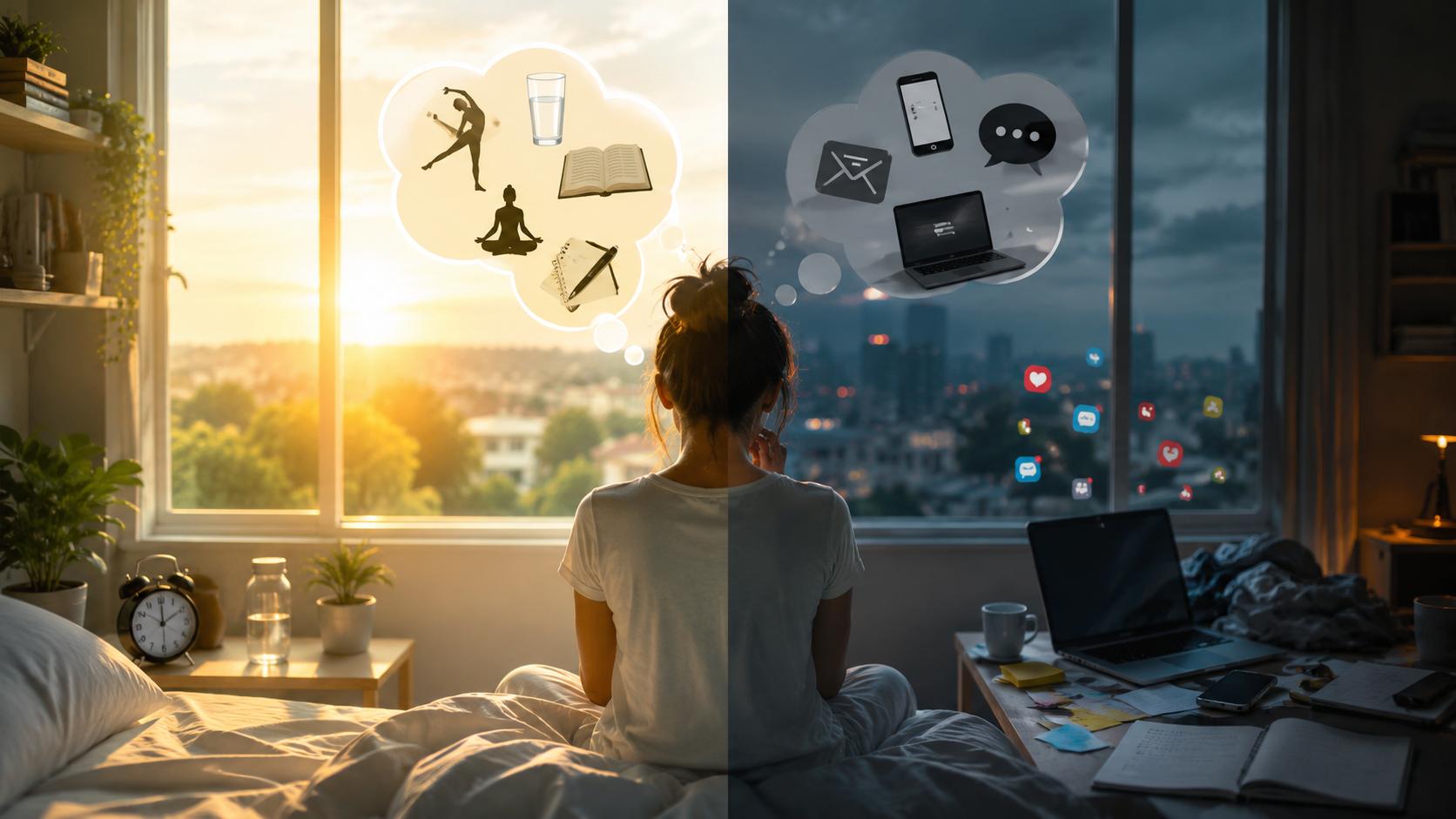
This constant connectivity can strengthen relationships, but it can also make disconnecting difficult.
Increasingly, healthy digital communication may involve knowing when to respond and when to step away. Being connected does not necessarily mean being available every moment.
That distinction could become increasingly important as communication technologies become more integrated into daily life.
Communication Is Becoming More Context-Dependent
One of the hidden changes brought by digital culture is that people often communicate with less context.
A short message can be interpreted in many ways because the reader cannot see the sender’s facial expression, body language, or tone of voice.
This is why digital conversations can sometimes produce misunderstandings that would never happen during an in-person conversation.
People have developed new ways to compensate, including emojis, voice messages, video calls, and reaction features. These tools attempt to restore some of the emotional information that disappears when communication moves into text.
Still, the challenge remains: digital communication often requires people to interpret meaning from very limited signals.
The Future May Be About Balance
Digital culture is unlikely to reverse course. Communication will probably become even faster, more visual, more personalized, and more assisted by artificial intelligence.
But the most important communication skills may remain surprisingly traditional.
Listening carefully matters. Choosing the right words matters. Understanding context matters. Knowing when someone needs a detailed conversation rather than a quick message matters.
Technology can make communication easier, but it cannot automatically make it meaningful.
The people who communicate most effectively in the digital age may not be those who use the most platforms. They may be the ones who understand when to send a message, when to make a call, when to have a face-to-face conversation, and when to simply give someone space.
A New Communication Culture
Digital culture has fundamentally changed the way people communicate. Conversations are faster, more visual, more global, and more interactive than they were just a generation ago.
These changes bring enormous benefits. People can maintain relationships across continents, discover communities they would never encounter locally, and share ideas with audiences that were once unreachable.
But greater connectivity also brings greater responsibility.
As technology continues to reshape communication, the challenge will not simply be learning how to use new tools. It will be learning how to use them thoughtfully.
The future of communication may ultimately depend on finding the right balance between convenience and attention, speed and understanding, technology and human connection.





Leave a Reply